Three days post-wash and your hair has that slick, flat look at the roots. The rest of the length still feels fine, but the scalp is the problem. A wet-look bun or a sleek ponytail turns that oiliness into deliberate shine, which is why Simple Greasy Hair Hairstyles 2027 fill so many saved boards.
22 styles that work with the grease instead of fighting it. Low buns, high ponytails, braids, and claw-clip updos for straight, wavy, and curly textures in blonde, brown, and black shades. The goal is a neat finish that takes five minutes and holds all day.
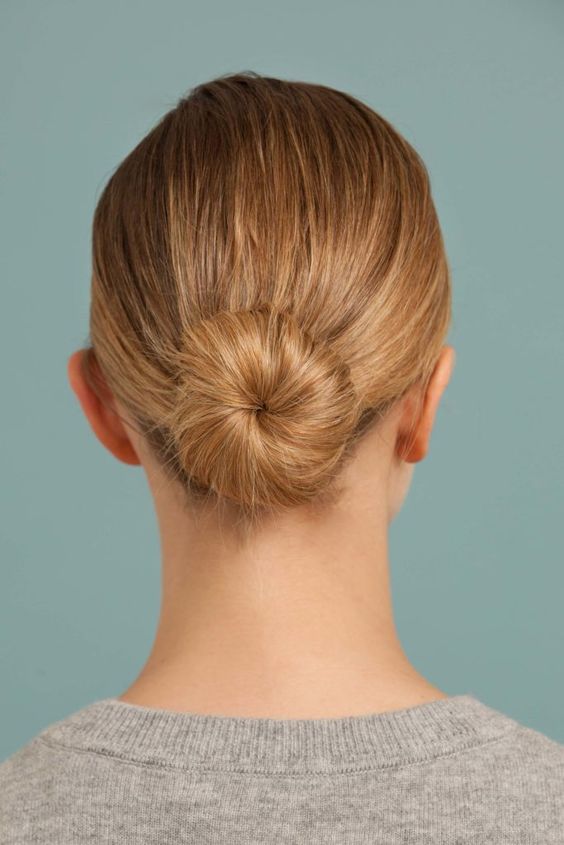
Fine, straight light brown hair in a tightly coiled low bun
Courtesy of: momooze.com
A tightly coiled low bun sits directly at the nape with zero visible flyaways. Fine, straight light brown hair gets slicked back with a brush and twisted into a neat coil. No pins peeking, no texture fighting the hold. This works best for fine straight hair that can gather into a low bun at the nape. This look requires flat smoothness from root to coil. Tell your stylist: slicked back low bun, tightly coiled. A boar bristle brush gets the finish smooth at home. Trim every six to eight weeks to keep the shape clean.
Sleek, wet-look waves that hide oiliness
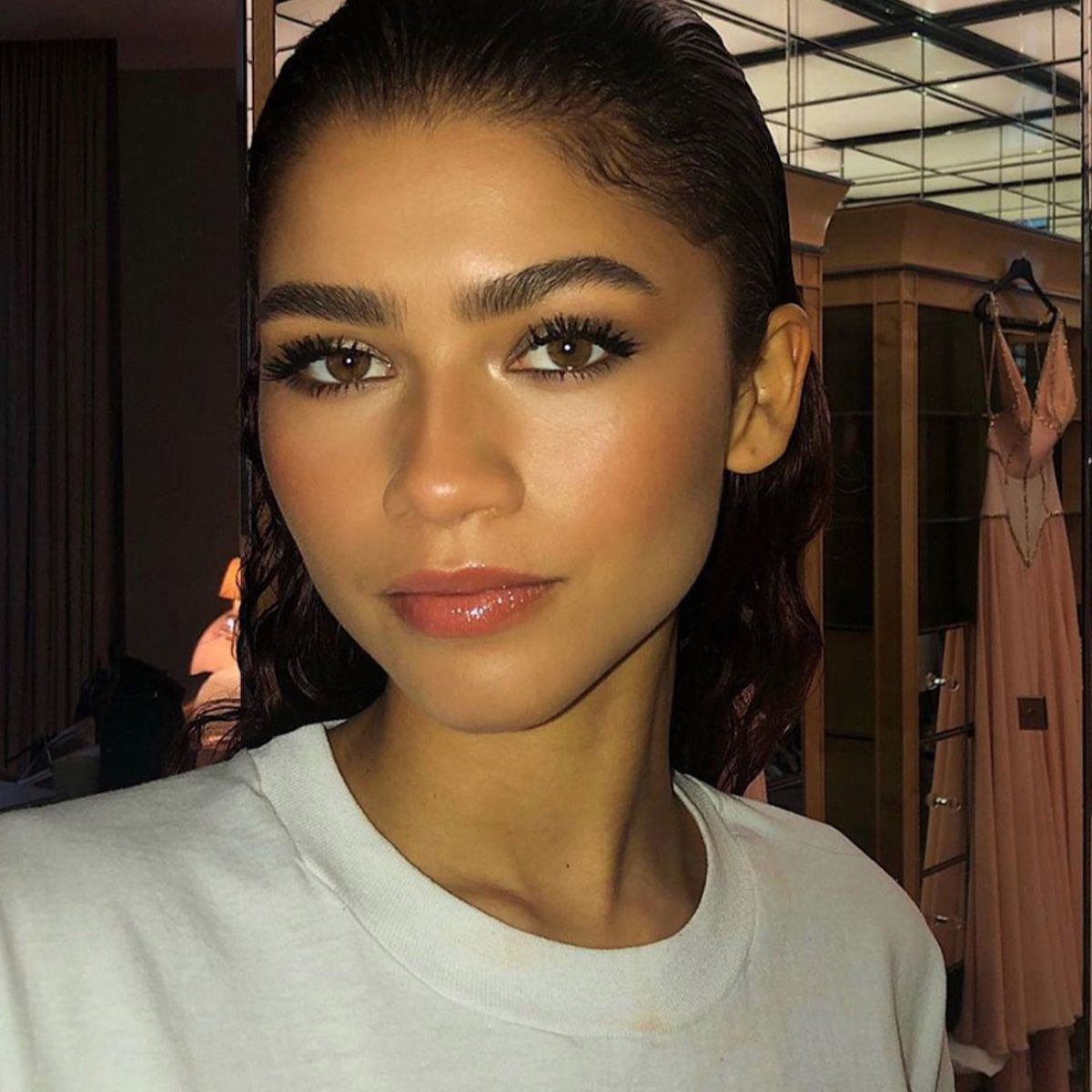
Photo credit: whowhatwear.com
Where a dry slick-back can look helmet-like, this version uses a wet-look finish with subtle waves to keep the shape softer. Dark brown layered hair gets a middle part and a slicked-back application of gel or pomade, then the waves are formed with fingers or a wide comb. The shine hides oiliness at the roots without making the whole head look flat. This finish is deliberately wet, not just unwashed. A DIY job: apply product to damp hair, comb through, and shape the waves. Ten to fifteen minutes gets you there.
Dark brown hair with a wet look and slicked-back side parting
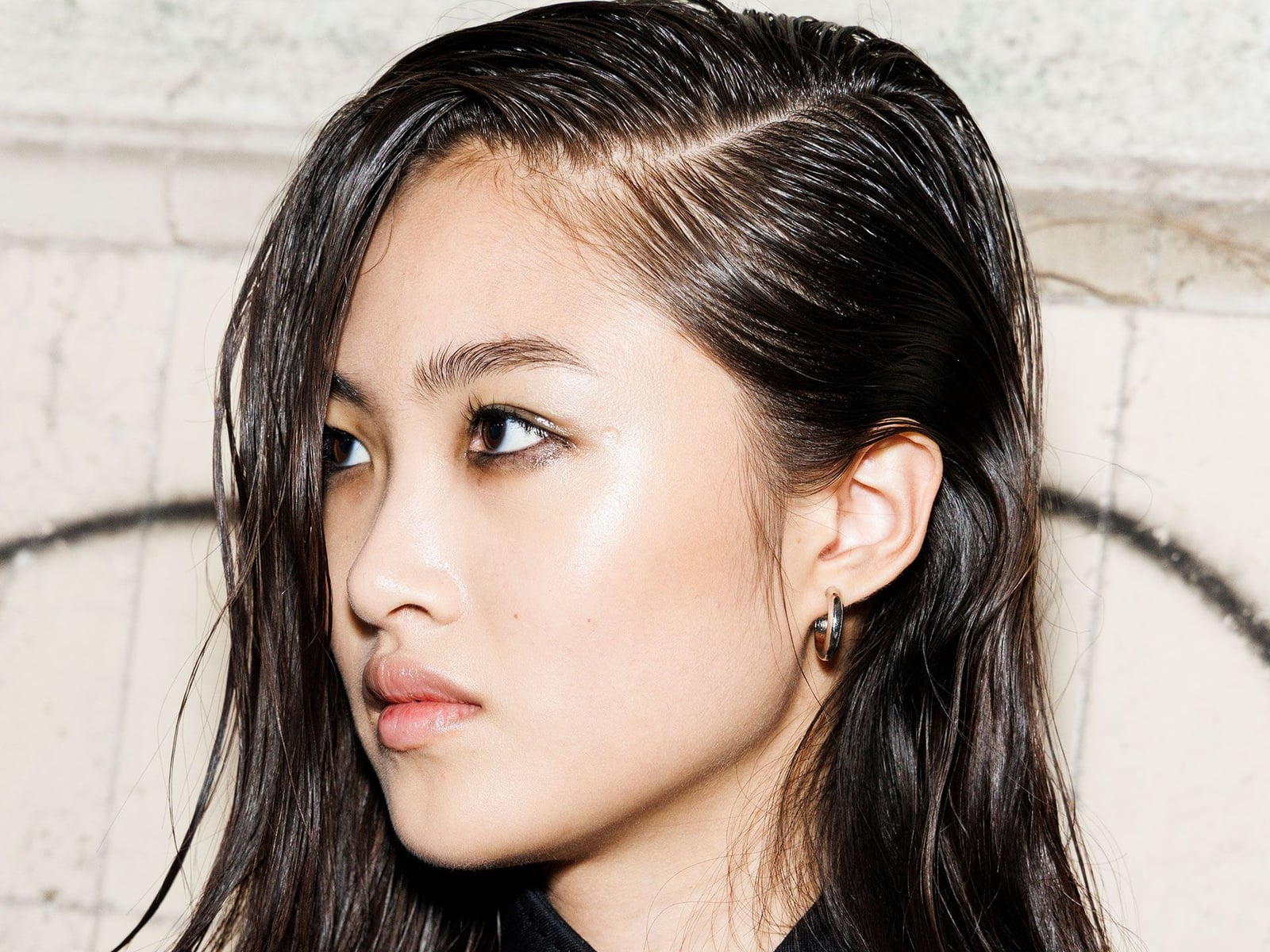
Image credit: glamourmagazine.co.uk
How do you get a neat finish without fighting natural texture? Fine, straight dark brown hair slicked back with a deep side part and a wet-look finish. The side part breaks up the expanse of slicked hair and adds asymmetry. Tell your colorist: wet look with slicked side parting. A strong-hold gel and a fine-tooth comb are all you need at home. Trim every four to six weeks to keep the ends from looking straggly against the smooth root-to-tip finish.
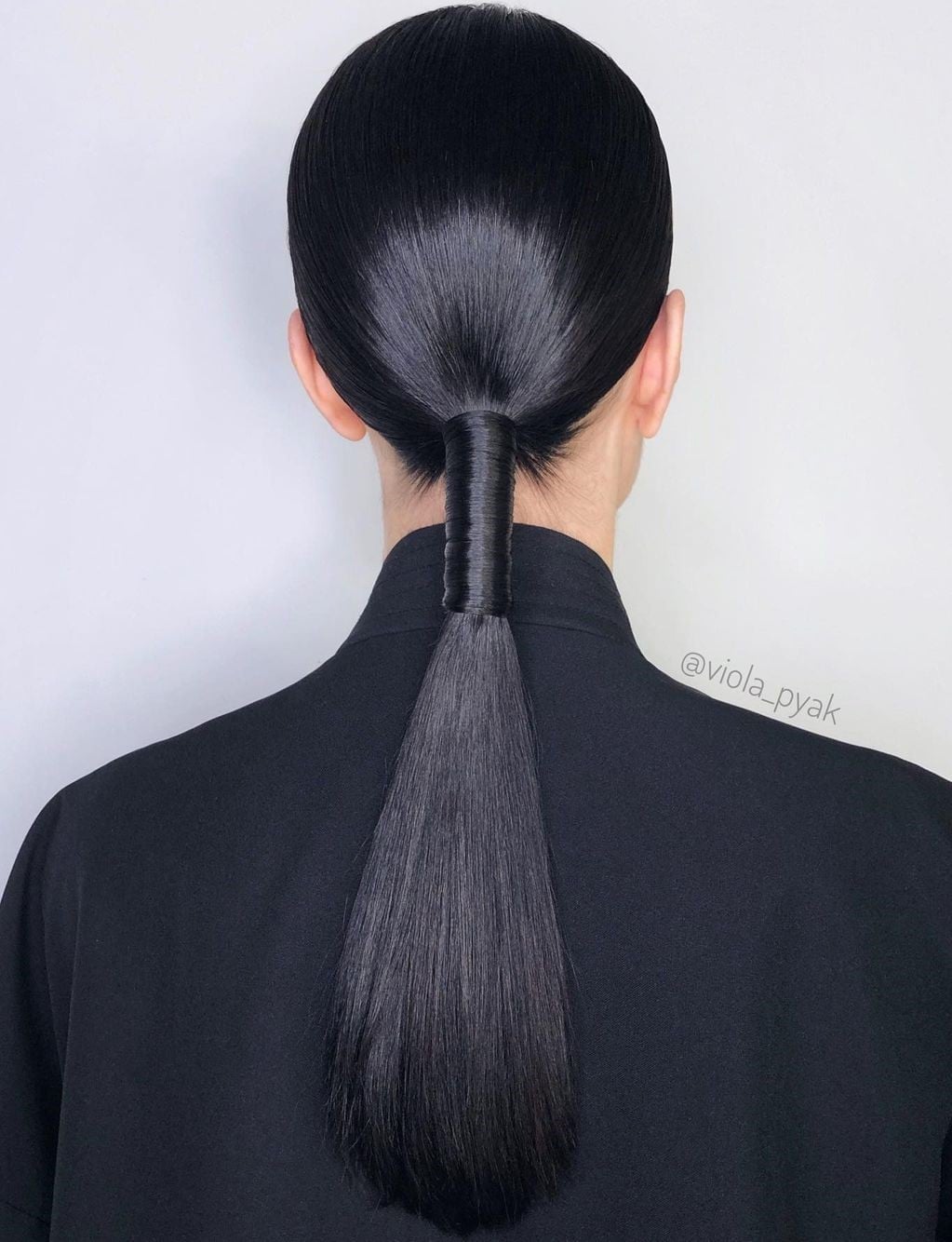
Smooth, low ponytail that hides grease
Source: hadviser.com
Straight, fine black hair slicked back tightly into a low ponytail with a section wrapped around the base. The wrapped piece hides the elastic and creates a continuous line from crown to tip. This requires at least shoulder-length hair to get the tail weight right. The tight slicking means every cowlick and bump shows, so prep matters. A smoothing serum and a strong-hold hairspray keep it flat through a workday. The catch: the tight pull can feel heavy on the temples after a few hours.
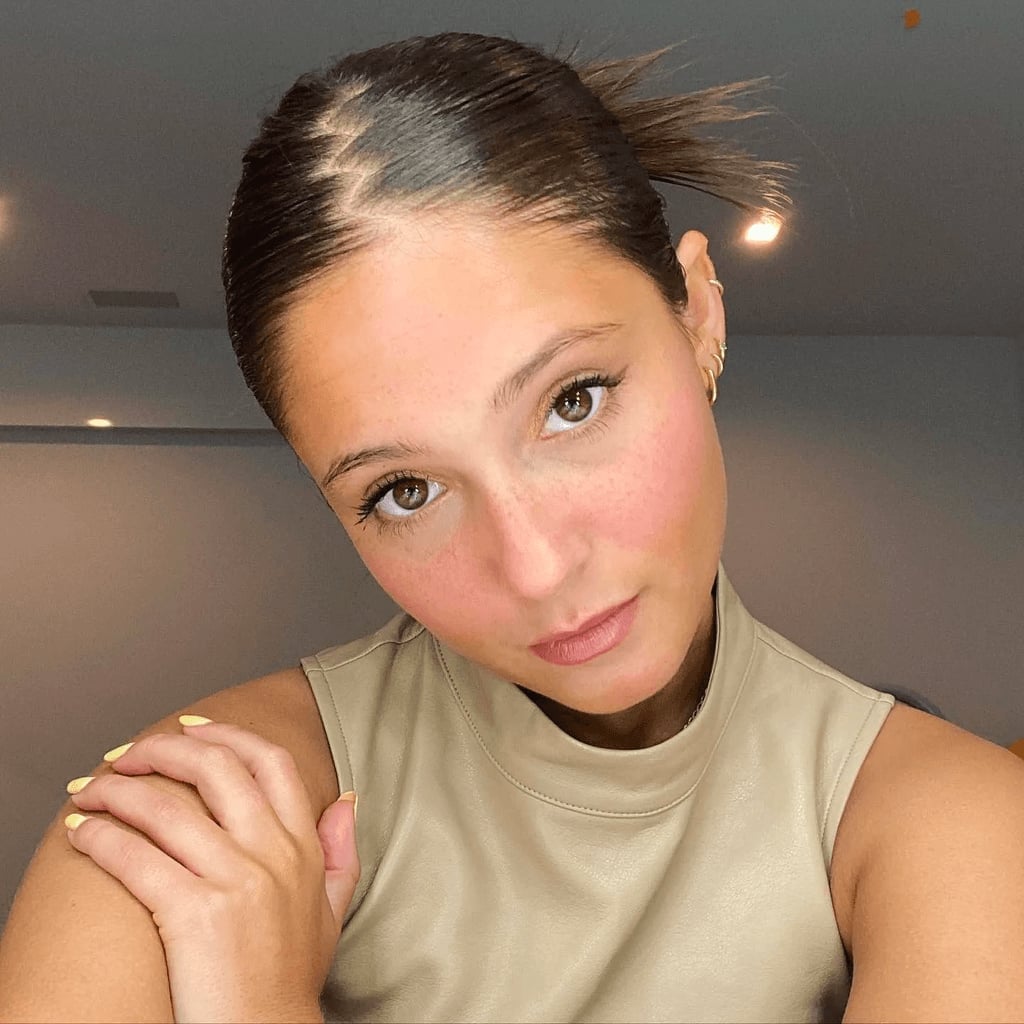
Dark brown hair in a slicked-back wet-look low bun, straight
Via vogue.in
Compared to a side-parted version, this slicked-back low bun with a middle part feels more symmetrical and more severe. Fine, straight dark brown hair gets a wet-look finish and a precise middle part before being gathered into a low bun. The symmetry suits oval and longer face shapes. Tell your stylist: slicked back low bun with wet-look finish. At home, apply gel to damp hair, comb straight back from the part, and twist into a bun secured with bobby pins. The wet-look finish stays intact longer than a dry slick-back because it resists the natural oil breakthrough.
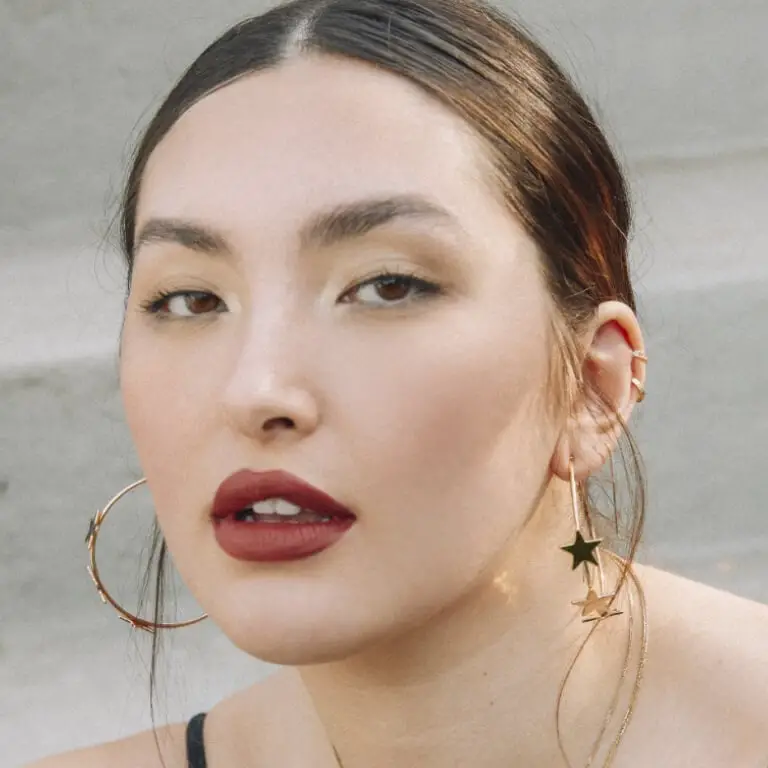
Slicked back middle part for a minimalist look
Courtesy of: ipsy.com
A sharp middle parting does most of the work here. Fine, straight dark brown hair gets slicked back into a clean line on each side, and the slightly greasy finish is the whole point. The look suits fine, straight hair of any length that can hold a defined part. If you dislike a very visible middle line, this style may not be for you; the part is the anchor. Request a slicked back look with a sharp middle parting from your stylist.
A festive take on a low bun with gold glitter
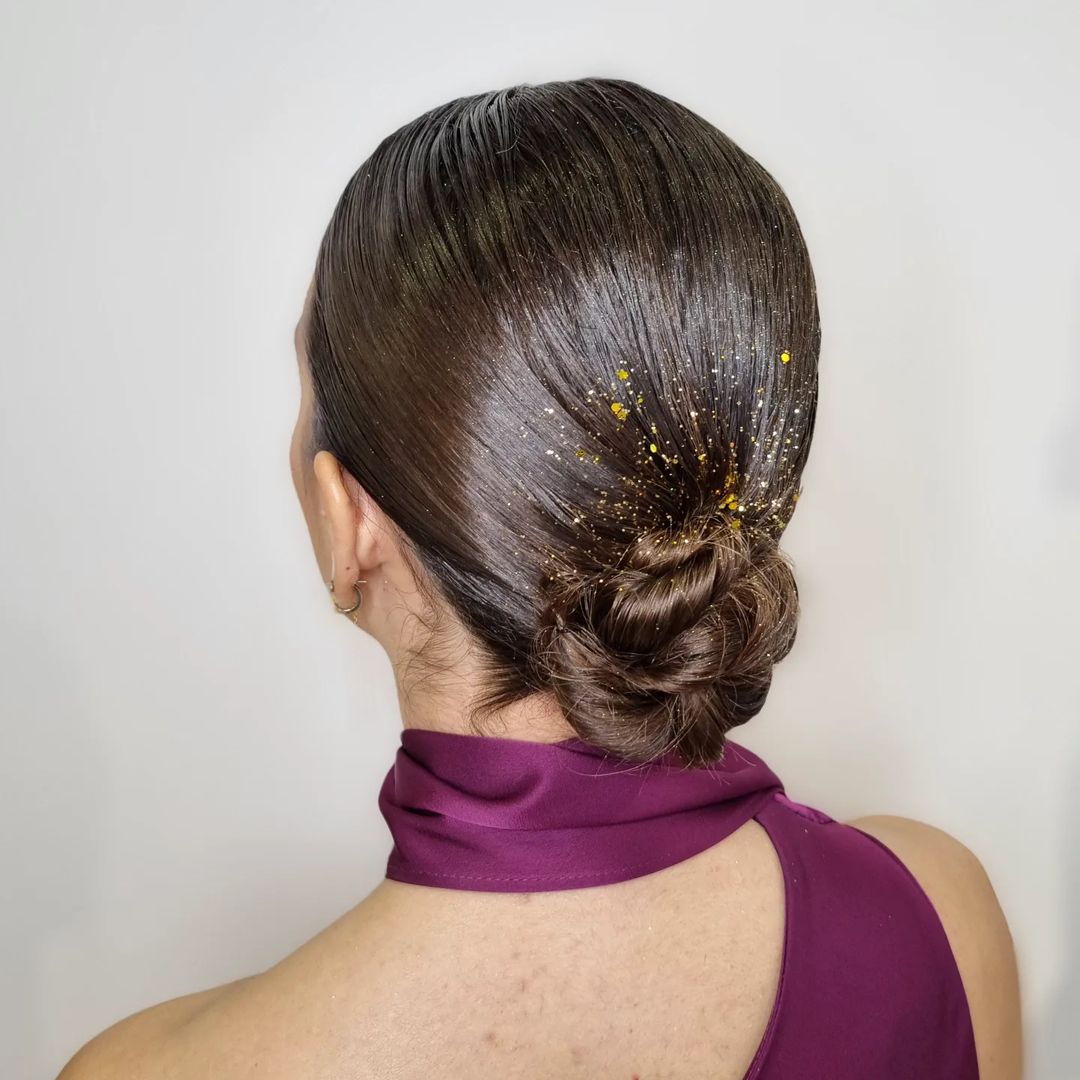
Photo credit: therighthairstyles.com
Gold glitter turns a wet-look low bun into something for an evening out. Dark brown, straight, fine hair is slicked back from the face into a smooth, tight coil at the nape, and the scattered metallic flecks catch the light without overwhelming the shape. The style needs at least collarbone-length hair to wrap cleanly into the bun. Tell your colorist: wet look low bun with glitter accents. Apply the glitter sparingly after the gel sets, too much looks craft project. The flattening and smoothing require a professional hand for a flawless finish, so save this one for a salon visit before the party.
Messy bun with slicked-back roots on blonde hair
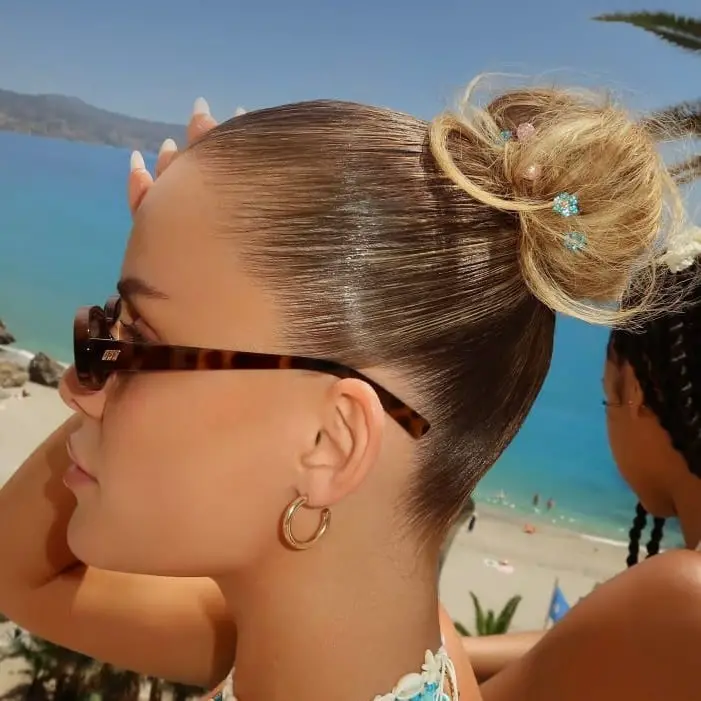
Image credit: gisou.com
Slicked-back roots meet a messy bun, and the contrast is what makes it work. Blonde, straight, fine hair gets a wet-look finish at the scalp, then loosens into a textured knot at the back, with small colorful flower clips adding a casual detail. At home, apply a strong-hold gel to the roots, comb the front flat, then twist the rest into a loose bun without pulling it tight. The layers in the cut help the bun hold its shape without pins fighting the weight.
Blonde hair low messy bun with tiny braids
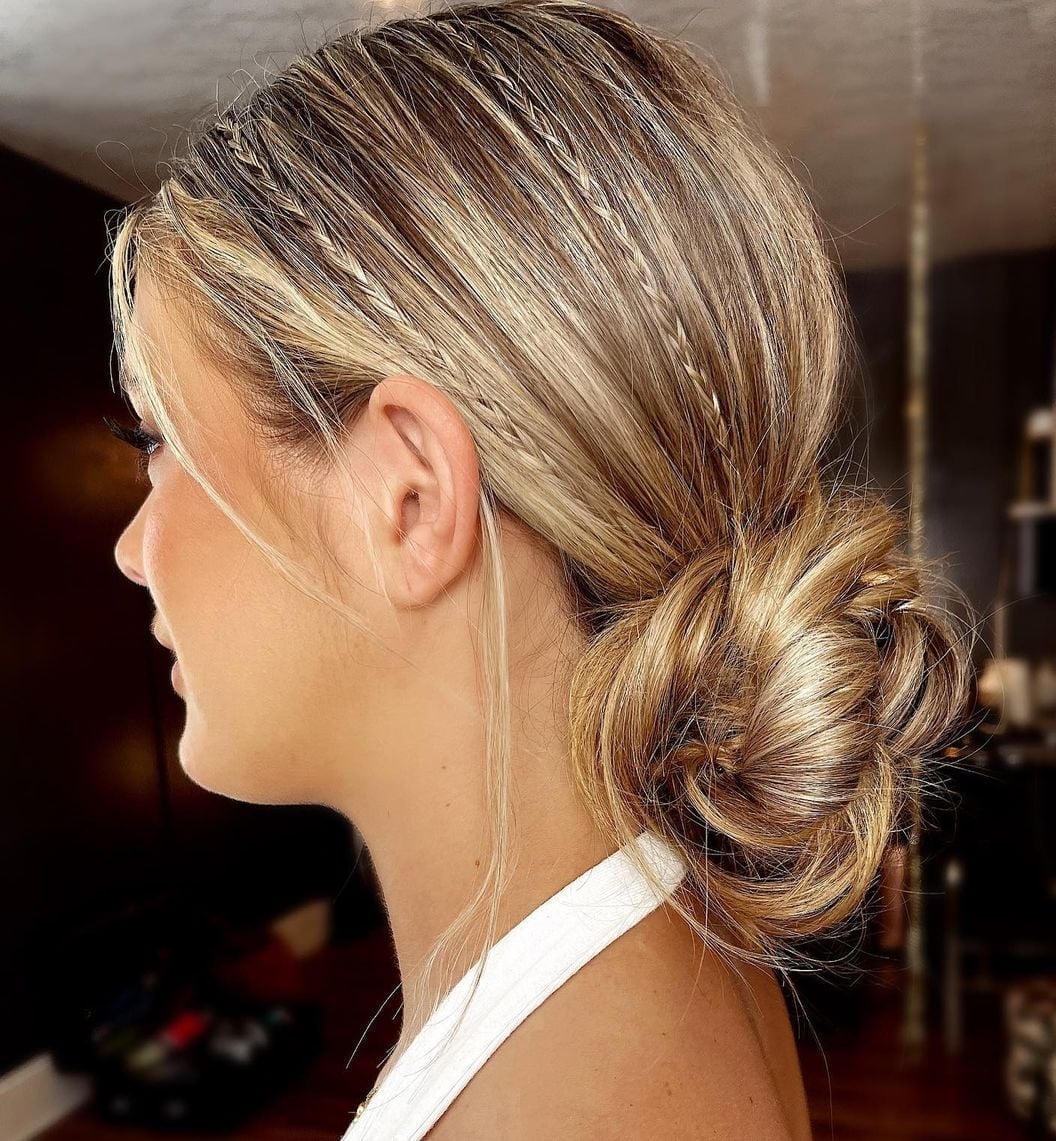
Source: hadviser.com
What is the chair line for a low bun that includes tiny braids? The blonde hair here has subtle lighter highlights, and the bun sits low at the nape, but the real detail is the small, intricate braids woven through the wrapped sections. This is a salon-leaning style. The braiding requires a steady hand and a second person to keep the tension even. Tell your stylist: low messy bun with woven braids. Shoulder-length hair or longer gives the braids enough weight to sit inside the bun rather than flop out. The highlights add depth to the twists, so the braids look texture, not a separate element.
Black hair updo secured with a large claw clip
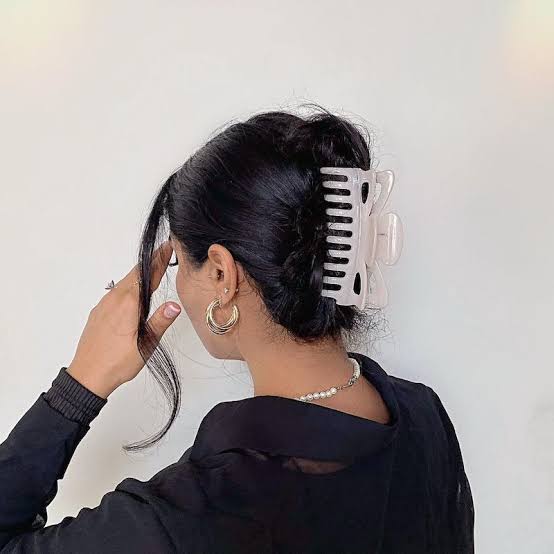
Source: byrdie.com
A single large translucent claw clip does the job of bobby pins and elastics combined. Straight, fine black hair is twisted loosely upward and clamped at the crown, with a few face-framing strands left out to soften the silhouette. The style suits fine hair of at least shoulder length; shorter strands slip out of the clip. The clip leaves a visible shape and a few pieces will escape. Twist the hair, tilt the clip in at an angle, and let the ends fan out slightly.
Long layered dark brown hair with a wet look
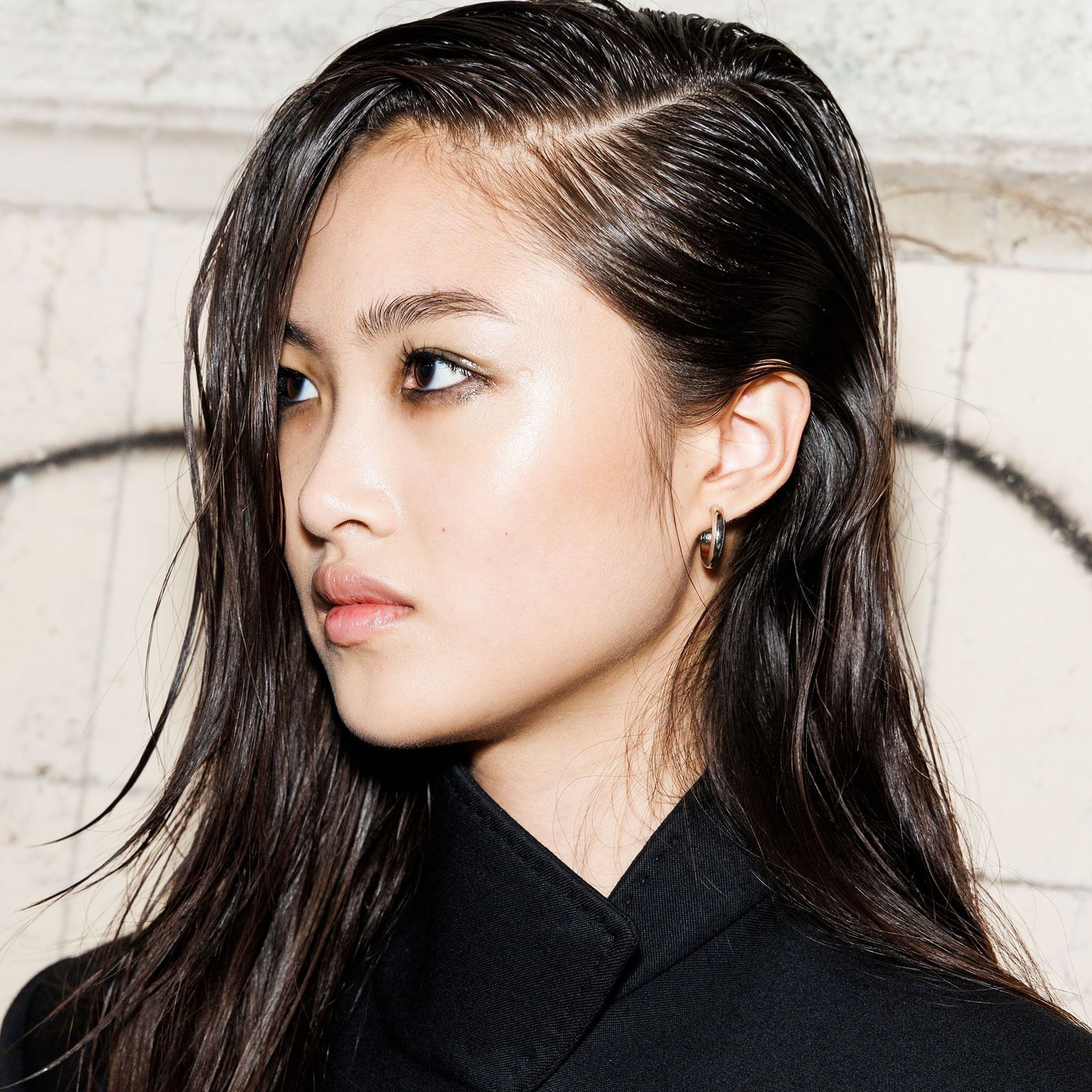
A wet look works because grease is just shine with better PR. This version uses long layers and a side part on fine, straight dark brown hair. The layers keep the weight off the roots, so the slick finish stays smooth. The catch: thick or coarse hair resists this kind of sleekness and tends to puff instead of gloss. A smoothing serum or gel combed through while damp does the job. Air drying or a gentle diffuser sets the hold.
Thick wavy black hair low ponytail with gold cuff
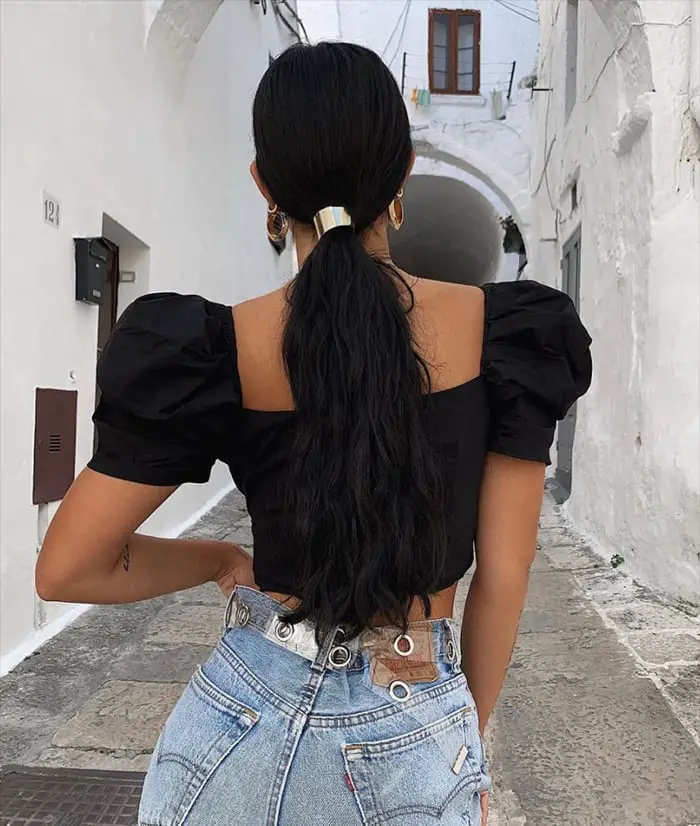
Courtesy of: sittingprettyhalohair.com
A high ponytail exposes the hairline and any oil buildup near the scalp. A low ponytail hides both. This one starts with a centered part on thick, wavy black hair, then drops into a ponytail secured with a gold cuff. The texture stays visible in the length while the roots stay smooth. A high ponytail or straight hair that won’t hold the wave are not ideal for this look. Ask your stylist for: low ponytail with gold cuff. The weight of thick wavy hair keeps this style in place all day.
Casual updo with loose strands framing face
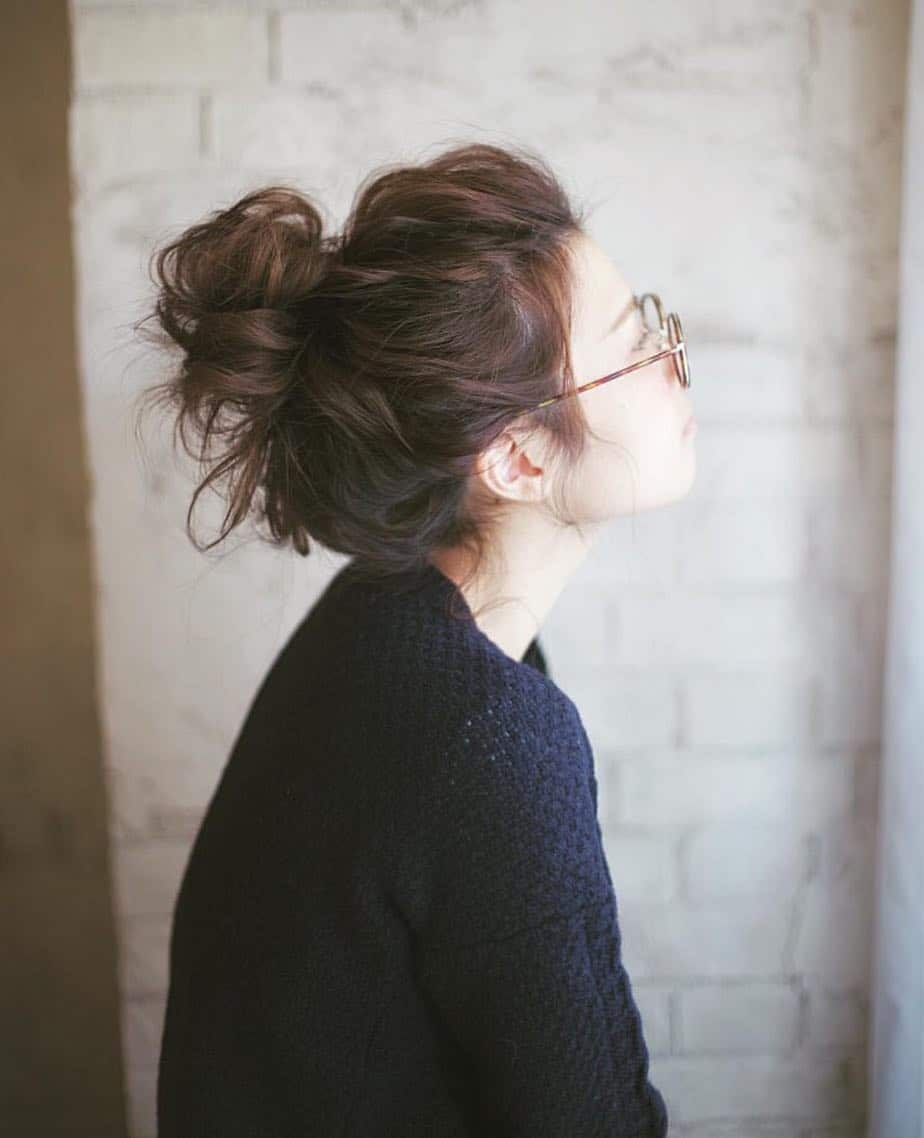
Photo credit: asia.be.com
A messy bun on dark brown hair hides oil at the crown and turns it into texture. The trick is pulling out a few wispy pieces around the face after securing the bun. Those loose strands soften the whole look and distract from any flatness at the roots. This works best on wavy, fine hair that bends easily. For a very tidy neat updo, a different style is a better choice. A quick twist and a pin or elastic get it done in under two minutes.
Ash blonde bubble ponytail with slicked-back styling
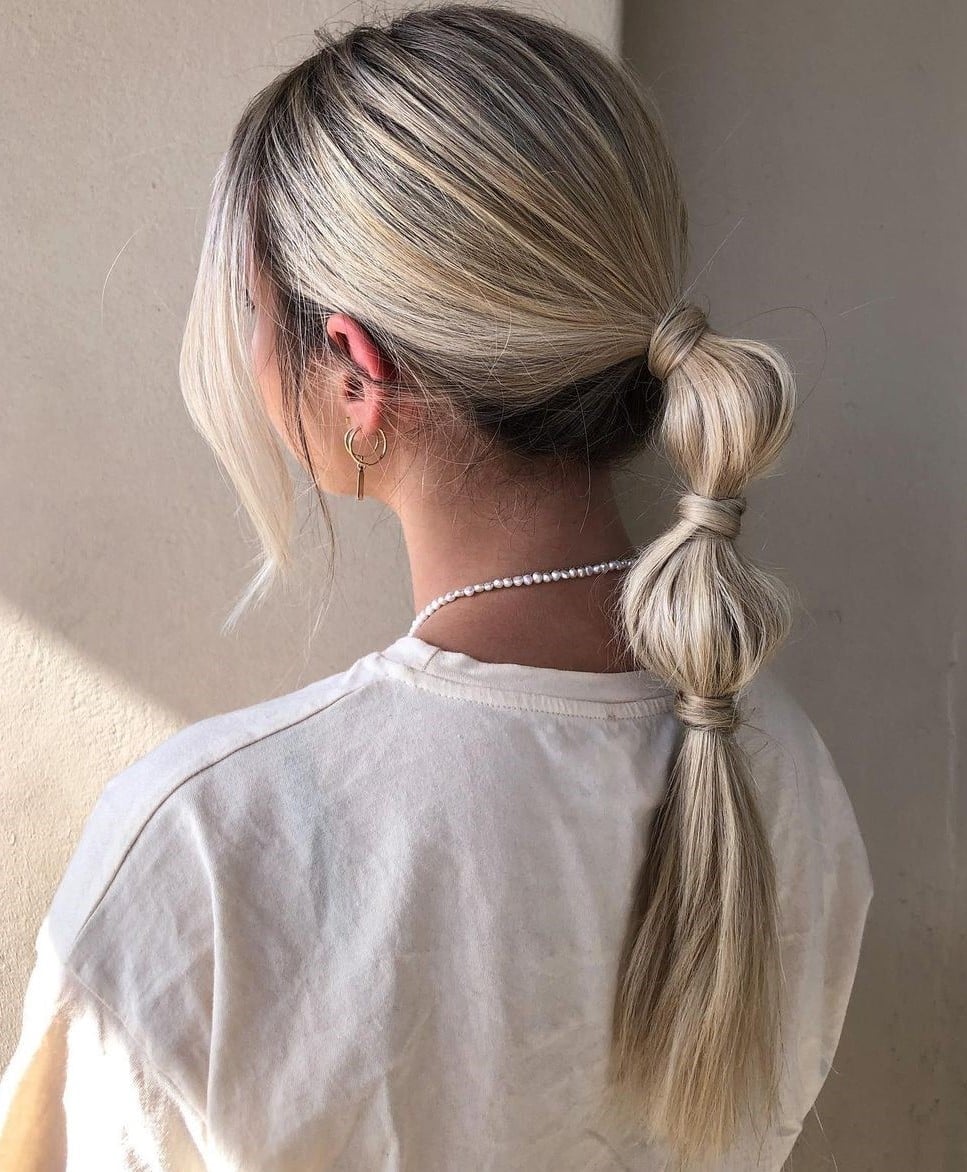
Image credit: hadviser.com
A bubble ponytail turns a single tail into a segmented line. This one starts with a slicked-back middle part on fine, straight ash blonde hair with darker roots. The bubble effect comes from securing elastics every few inches along the tail, then gently pulling each section to puff it out. The darker roots add contrast against the ash tone. Skip it if you dislike the segmented look. Ask your colorist for: slicked back bubble ponytail. The style holds for hours without redoing.
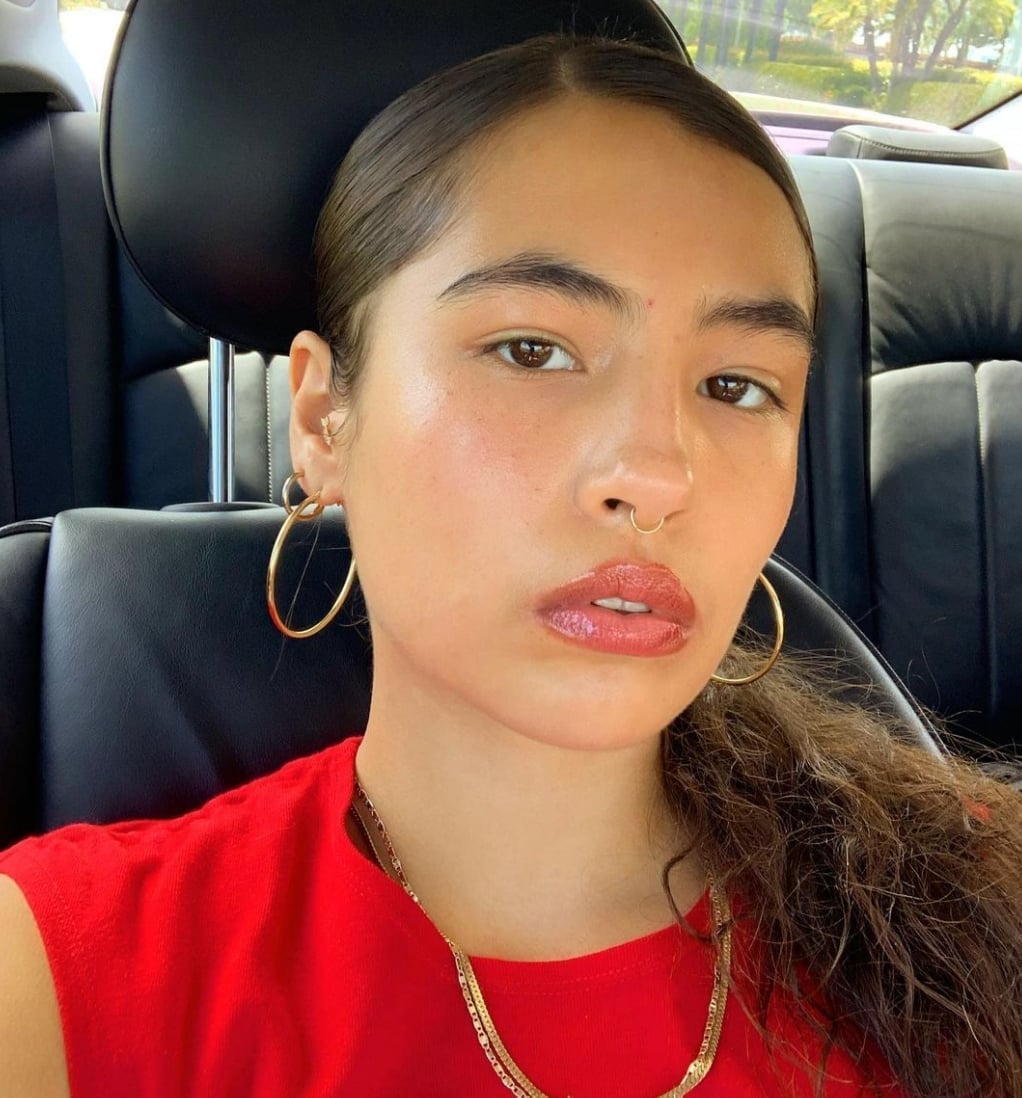
Clean front with a textured wavy ponytail
Source: prose.com
Smooth the front, let the back do what it wants. This ponytail uses a slicked-back middle part on thick, wavy hair, with the ends left textured instead of sleek. The contrast keeps it from looking severe. A smoothing cream on the front section tames the part; a texture spray on the tail adds grip. Very fine hair may not hold the wave in the ponytail. The look is deliberate without much effort.
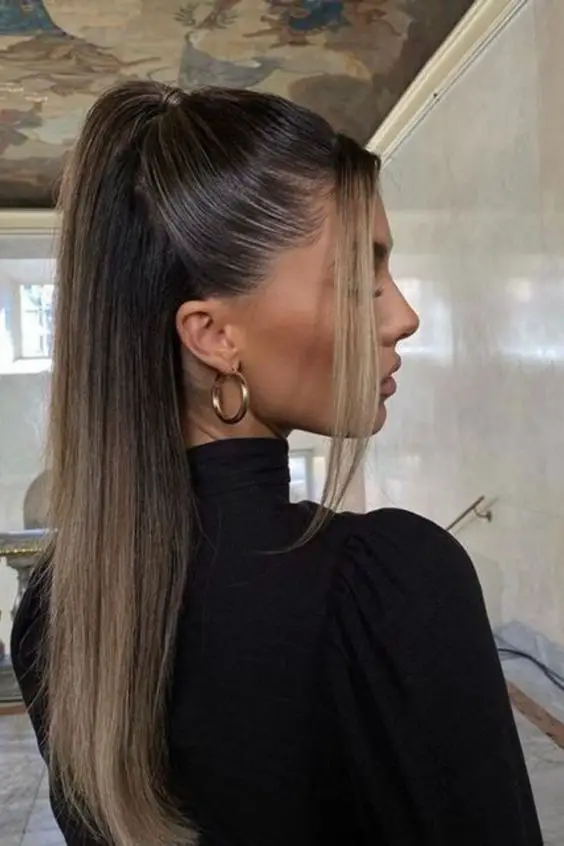
High ponytail highlights face framing pieces
Via momooze.com
A high ponytail works best when it does two things at once: it clears the scalp and still lets something soft exist. The face-framing pieces handle the soft part. Those few strands are the difference between a pulled-back face and a relaxed one. This particular version takes long, straight, fine hair with a dark brown base and ash blonde highlights and pulls it all upward. The highlights catch the eye without needing much length.
Skip it if you genuinely dislike anything near your cheeks. A high ponytail also requires enough length to reach the crown without tugging. Tell your stylist: high slicked ponytail with face-framing pieces.
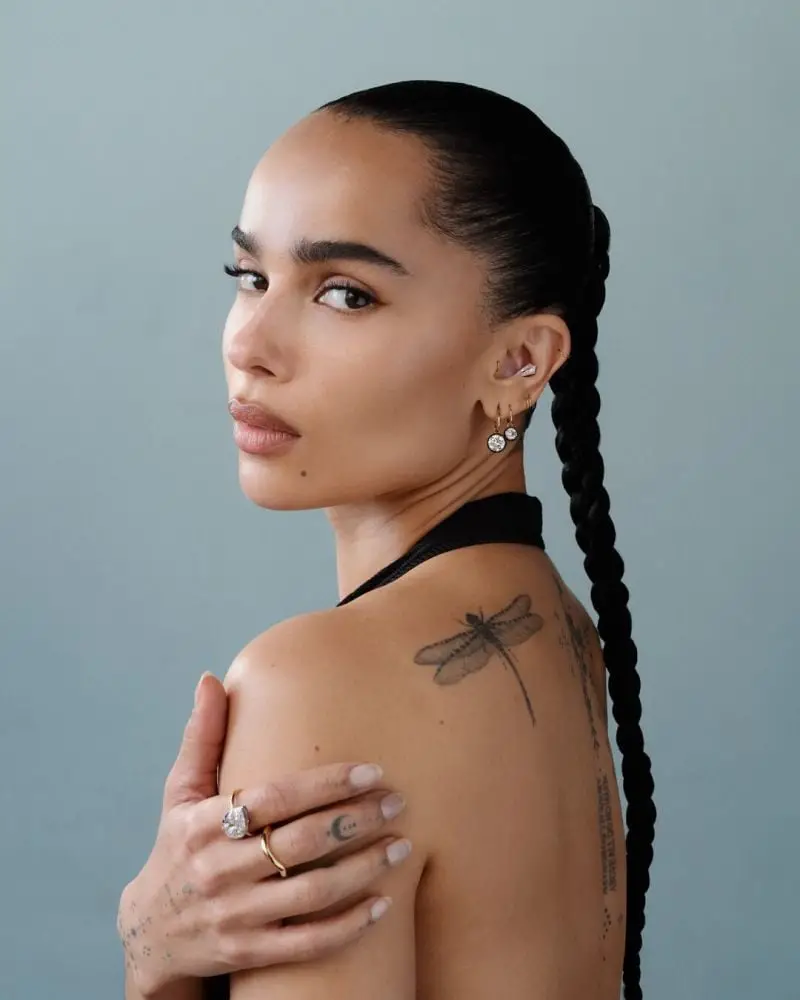
Thick black hair in a single, slicked braid
Courtesy of: vogue.sg
A single thick braid is a pragmatic choice for greasy hair. You slick everything back, part it down the middle, and braid from the nape. The finish is smooth and neat. The braid itself hides any uneven texture at the ends. Thick, straight black hair at shoulder length or longer is the ideal candidate here. The weight of the braid keeps it lying flat against the back.
The catch: fine hair will produce a thin braid that looks skimpy rather than intentional. You also need enough density to make the braid feel substantial. The style holds all day without redoing it.
Simple low ponytail in sleek dark brown hair
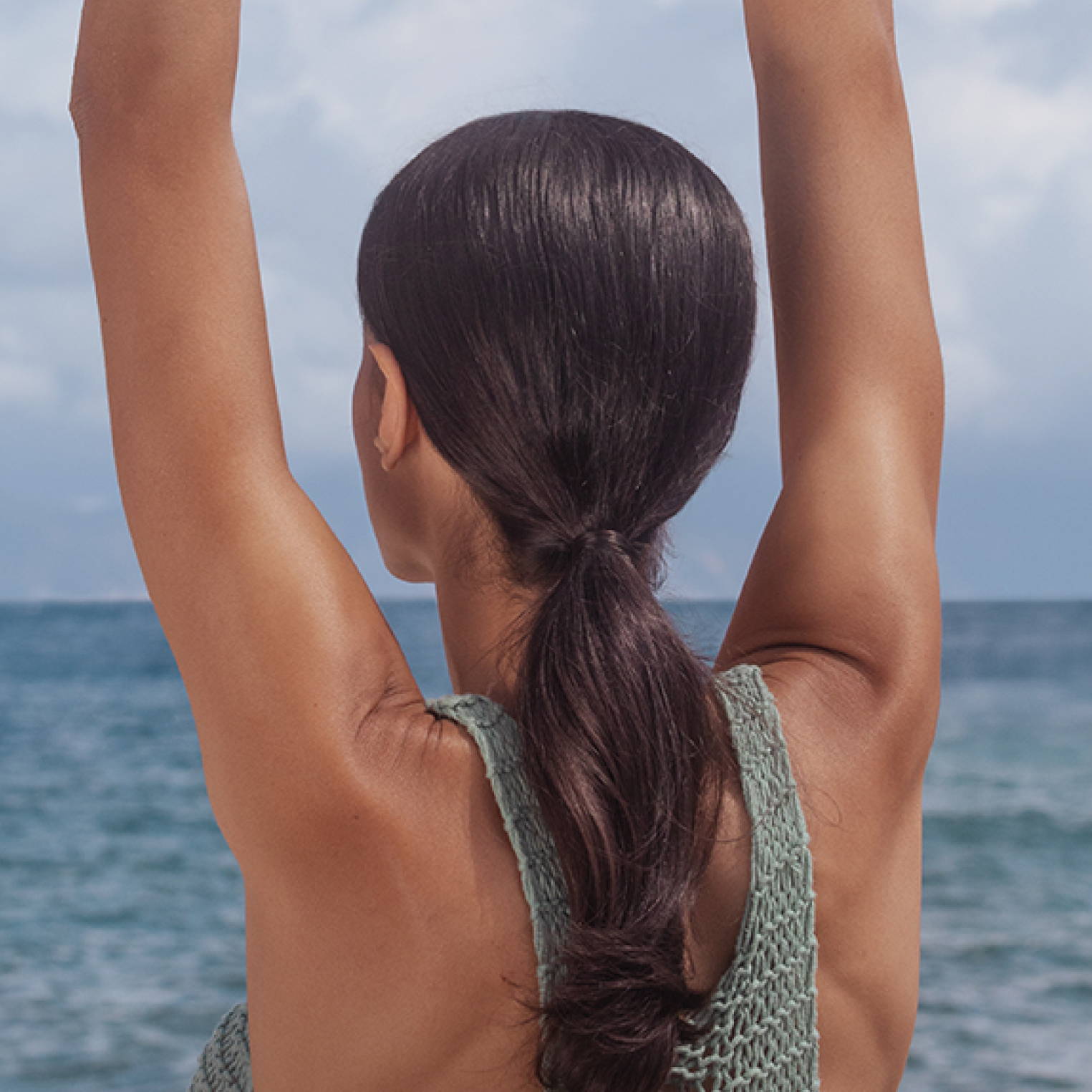
Photo credit: us.davines.com
A low ponytail is the baseline. A sleek low ponytail is the upgrade. The difference is a smoothing serum and a comb. Fine, straight dark brown hair pulled back from the face in a low ponytail looks neat. The sleek finish reflects light evenly, which distracts from any oiliness at the roots. You need at least collarbone length to get a ponytail that hangs properly. A high ponytail gives a different energy, more alert, more athletic. This one stays quiet. That is its value.
Dark blonde low ponytail with loose wispy strands
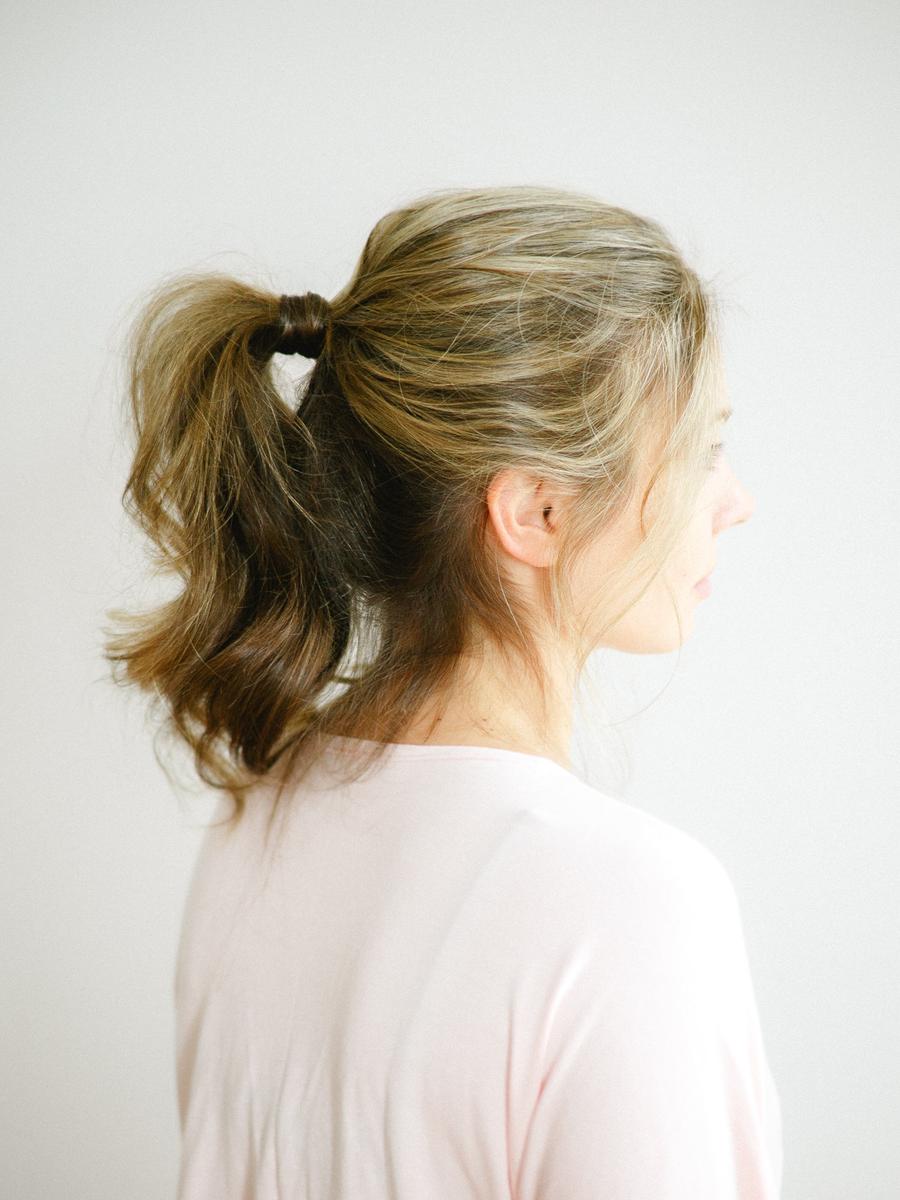
Image credit: momooze.com
Pull hair into a low ponytail, then loosen it. That is the entire instruction. A middle part keeps the front symmetrical. The dark blonde with lighter highlights looks neat when the ponytail is relaxed. Wavy, fine texture works in your favor here: the waves keep the wispy strands from looking like an accident. Pull out a few pieces around the face after securing the elastic. The lighter highlights in those strands will stand out. You need collarbone length or longer for the ponytail to have enough weight to hang neatly.
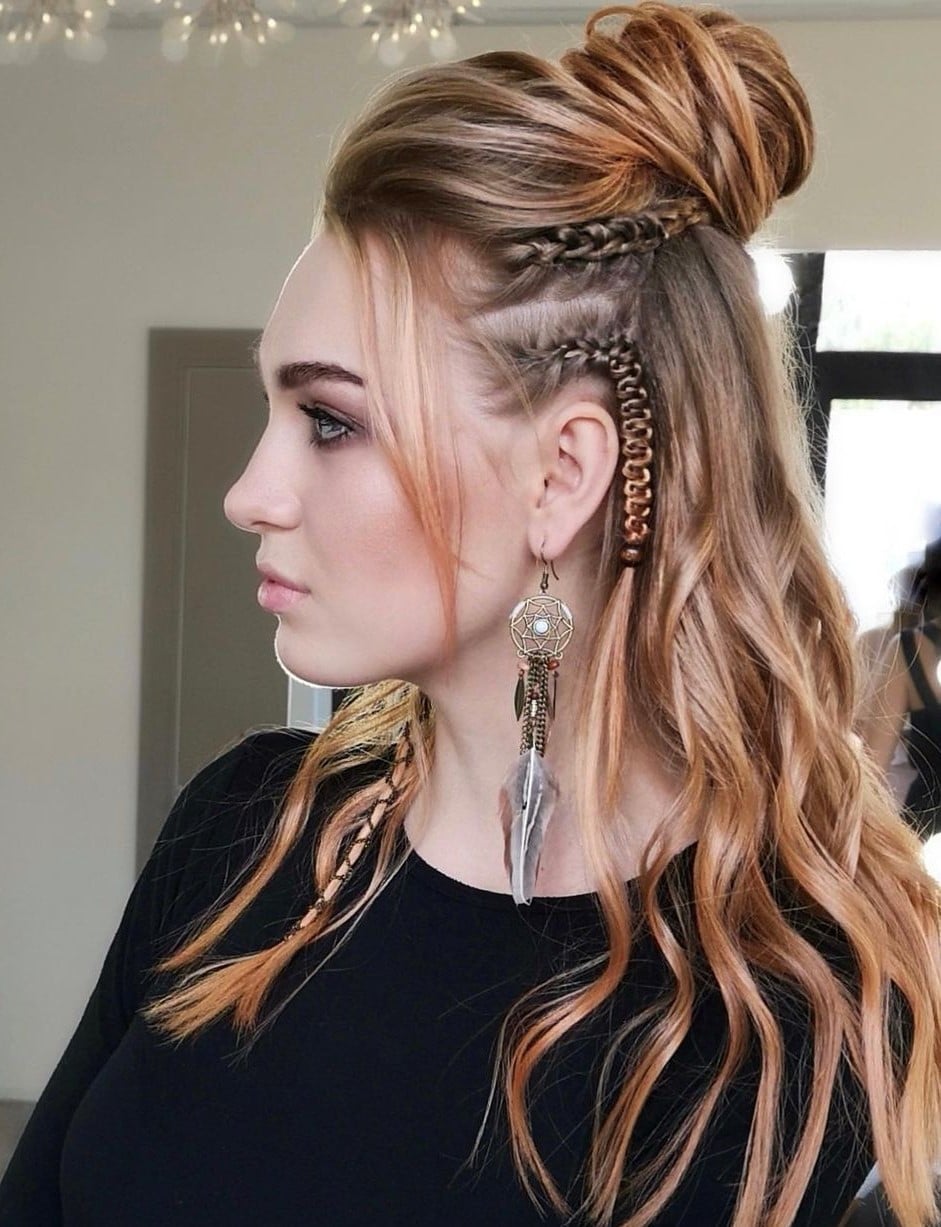
Half-up, half-down with braids and a top knot
Via hadviser.com
A half-up is one thing. A half-up with multiple small braids along the hairline is another. The top knot sits high on the crown. The braids run along the hairline, some of them decorated with beads. The remaining hair falls in loose waves. Blonde with copper highlights keeps the braids visible rather than blending into a single dark mass. This style works for an event where you want the hair to look like it took effort. Fine, wavy hair at shoulder length or longer gives the braids enough texture to hold without slipping.
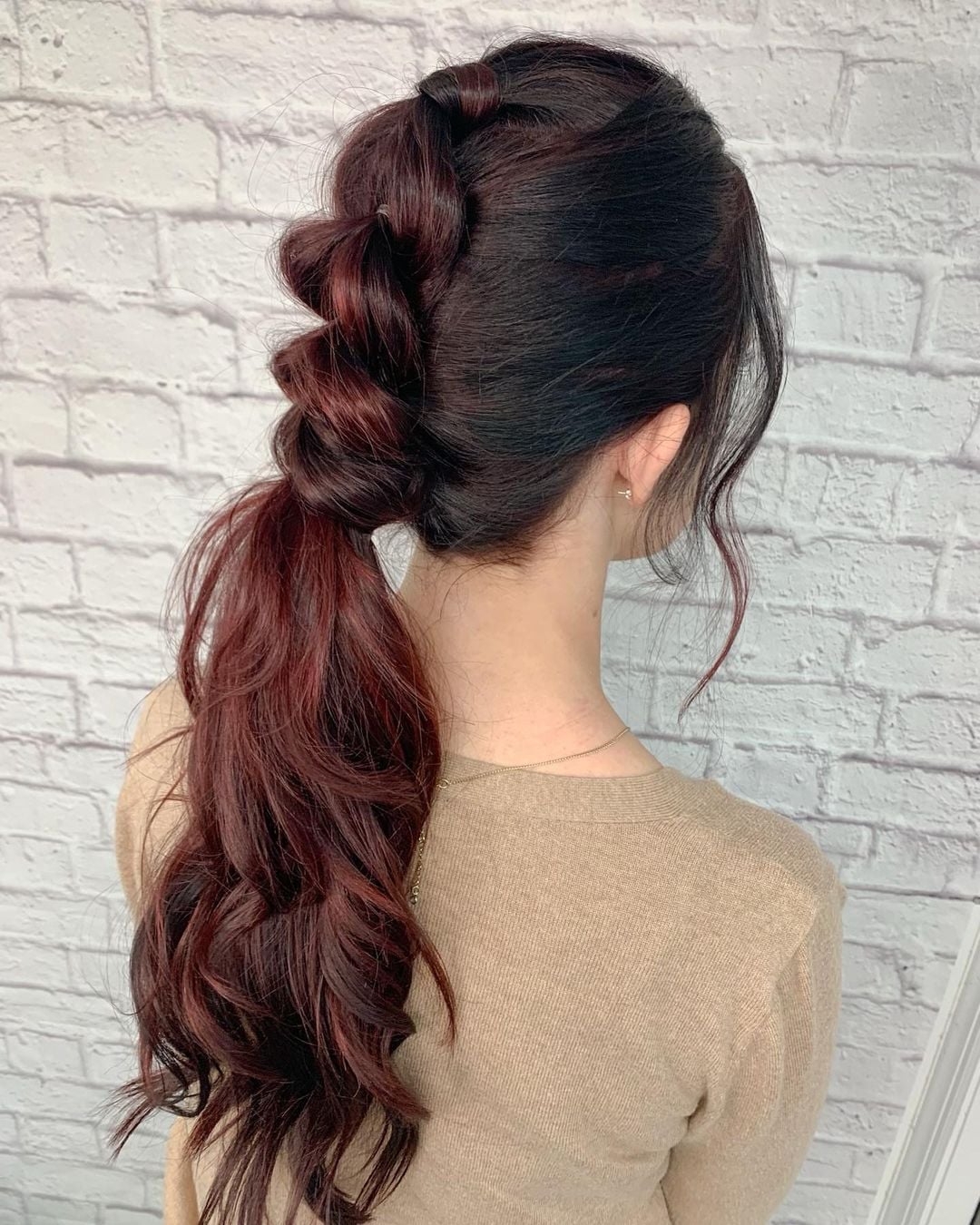
Deep red-brown ponytail with a chunky textured braid
Courtesy of: hadviser.com
Two rules apply when grease meets an event. Use texture to disguise it, and keep the front clean. A braided ponytail that starts with a chunky, textured braid and ends in loose, voluminous waves does both. The deep red-brown shade looks like one saturated piece, no oily roots in sight. Thick, wavy hair at shoulder length or longer gives the braid enough weight to hold its shape. A middle part keeps the crown smooth. Tell your stylist: braided ponytail with loose waves. The braid needs length and density to look full, not thin.
The salon does the braid and sets the waves. At home, you let the face-framing pieces fall where they land. The ponytail holds all day, even when the scalp wants to argue.
Platinum blonde updo with finger waves for sophistication
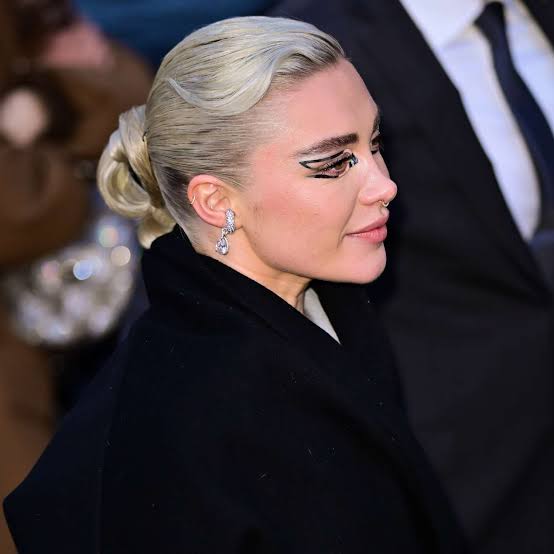
Photo credit: byrdie.com
This one suits a specific person. Someone with thick, straight hair who wants oil to look like a styling choice. Finger waves frame the face in neat, sculpted lines, and the rest pulls back into a smooth, neat bun. Platinum blonde makes the pattern visible. Every curve reads clearly against the light shade. The hold is absolute: once those waves set, nothing moves. Not for anyone who dislikes intricate styling or wants to run fingers through their hair. This is a sit-still look, best for events where the hair stays where it was placed.
Final Thoughts
Pick the style that matches your morning and your mirror.
- Two minutes and a comb: go wet-look or a slicked low bun.
- Fine hair that shows every root: a textured ponytail or a messy bun with slicked roots.
- Thick hair that fights a comb: a single braid or a low ponytail with a cuff.
- An evening event: finger waves or a glitter-flecked bun.
Simple styles conquer greasy hair days with ease.
