You are scrolling past the same three ponytails you have worn since 2022, wondering if the salon chair is worth the awkward grow-out phase. A single shift in texture, a new way to pin the crown, or a braid that actually stays past lunch can turn the ordinary into something you stop and photograph.
Which is why Gorgeous Hairstyles to Do 2027 fill so many saved boards: 23 looks that range from a five-minute twisted bun to a salon-level braided crown, built for straight hair, coily hair, fine strands, and thick manes. The catch is finding the one that does not fight your morning routine.
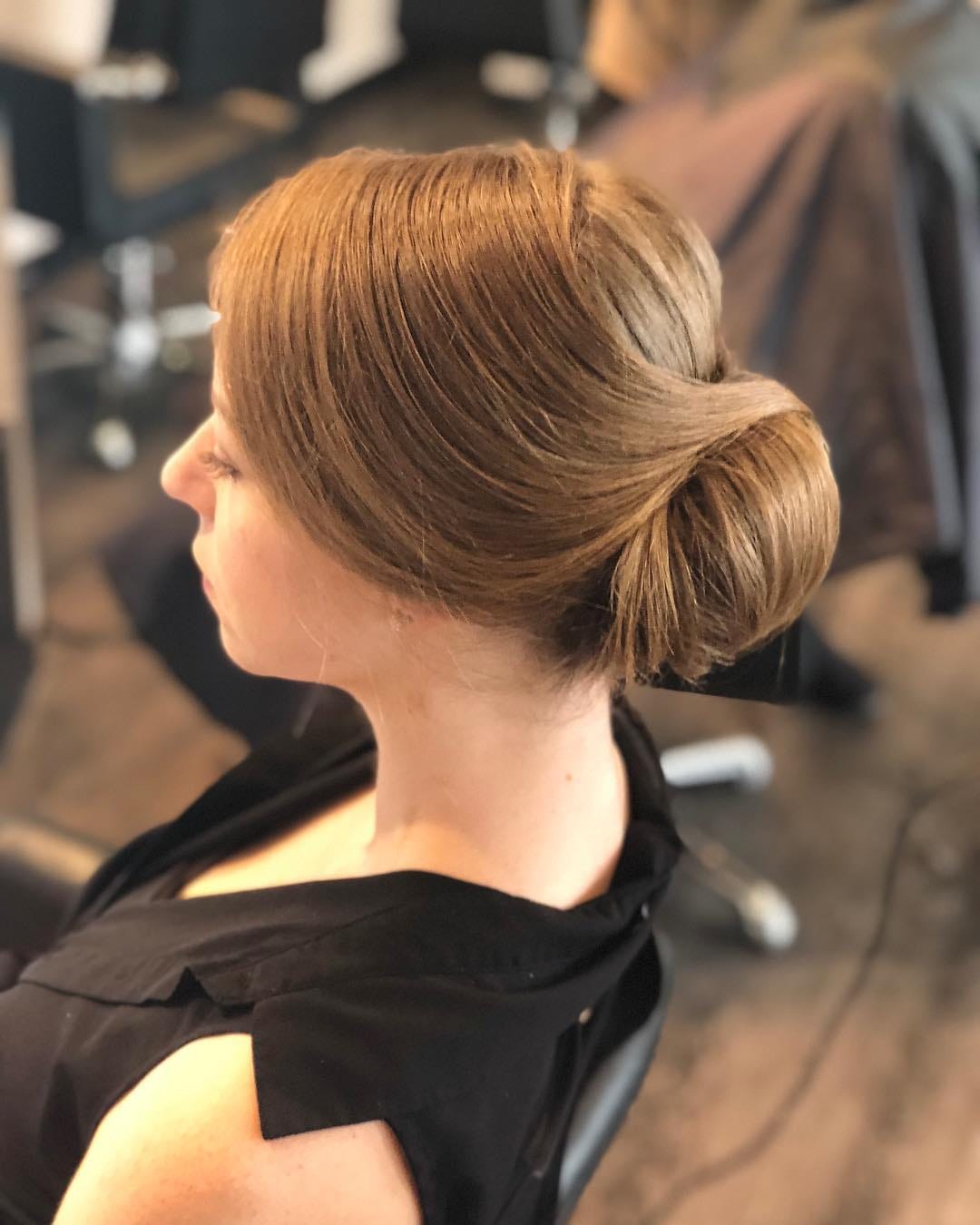
Smooth twisted low bun on fine straight hair
Courtesy of: medium.com
Middle parting and a low bun, the design leans on sleekness over volume. Warm brown tones keep the finish soft, while the twist at the nape gives fine, straight hair a shape it can actually hold. This is a look for those with shoulder-length or longer strands, and it suits long and oval faces well. The catch: very thick or coily hair will fight the smooth silhouette, so pass if your texture has other plans. Tell your stylist: smooth twisted low bun, middle part. A smoothing serum tames flyaways before the twist, and a trim every six weeks keeps the line crisp.
Textured fishtail braid with subtle highlights
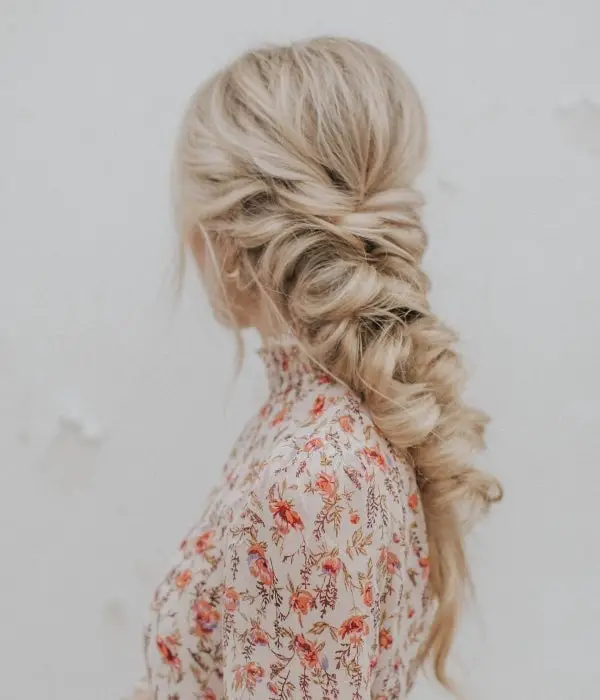
Photo credit: laifentech.com
Unlike a tight, perfect plait, this one starts at the crown and works down the back with visible looseness. Ash blonde with lighter pieces woven through gives the braid depth, while the wavy texture keeps it from looking stiff. Thick, wavy hair holds the shape best, and the style suits heart and square faces by softening the jaw. Not for fine or slippery strands, which let the sections slide apart before lunch. Gentle pulls on each side enhance the texture, and a trim every eight weeks maintains the ends.
Half-up half-down with braided flower knot
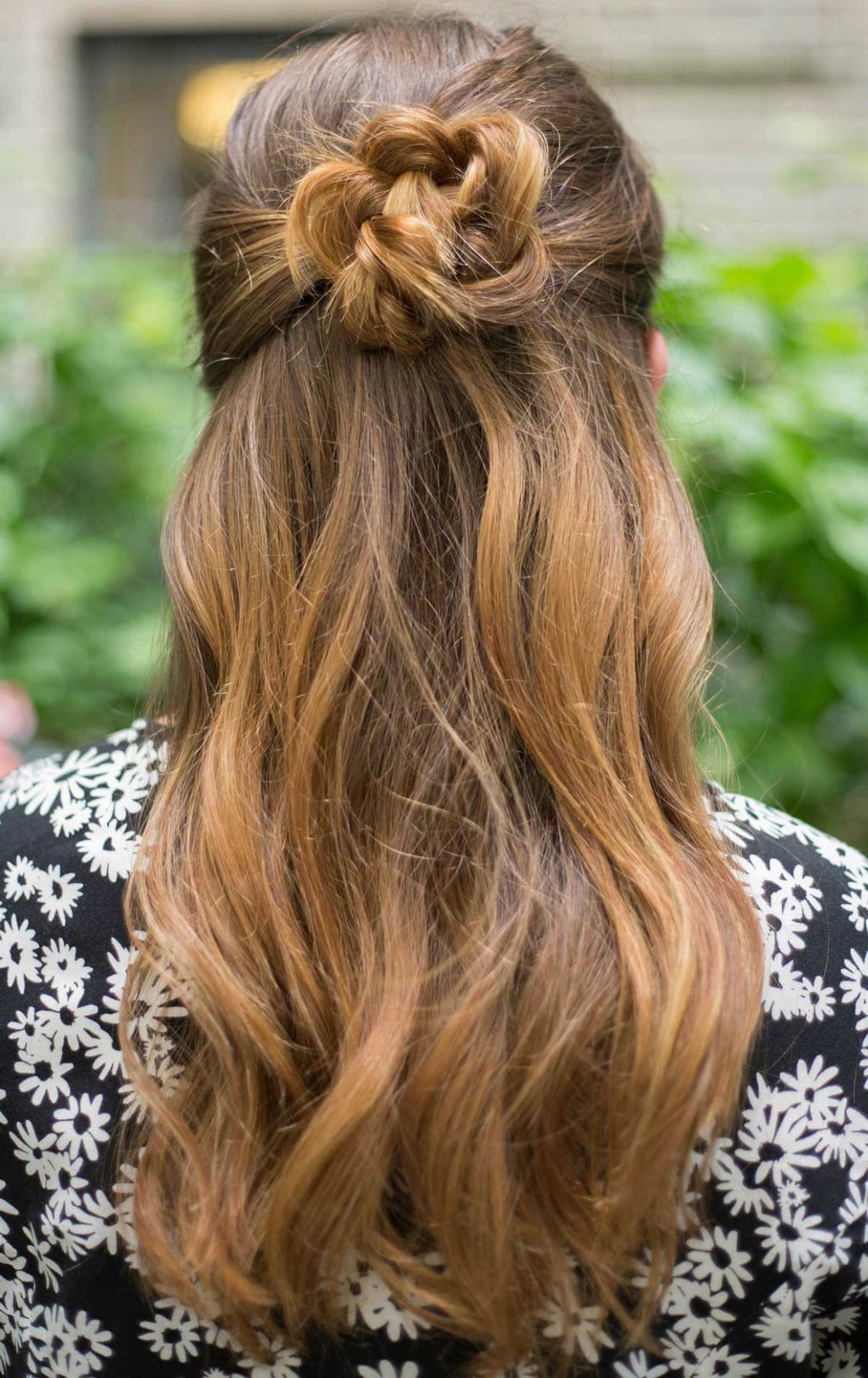
Image credit: tipsaholic.com
How do you describe a braided knot that resembles a flower without sounding like a greeting card? The top section twists into a rosette shape, sitting above long, wavy dark blonde hair with honey highlights. A middle part keeps the front clean, and the back falls in loose layers. Long, fine wavy hair carries this best, and the style suits round and oval faces by adding height at the crown. The words for the chair: half updo with braided flower knot, honey highlights. This style commits to the middle ground between fully down and fully up. Secure the knot tightly and hide the pins, then the rest is just letting the waves do their thing.
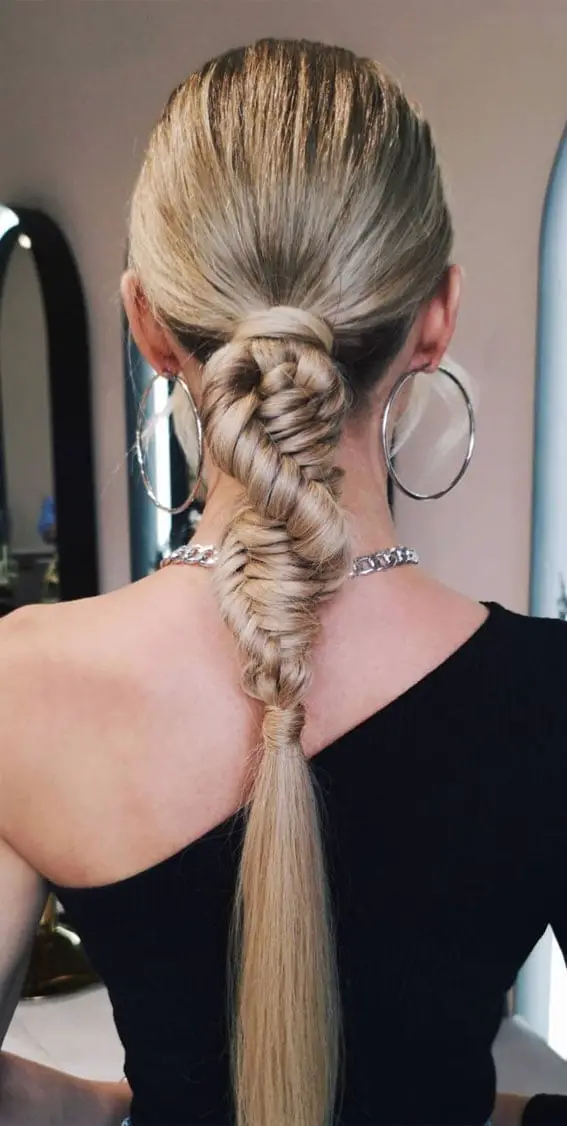
Fishtail braid from a sleek bun
Source: fabmood.com
Set this against a standard ponytail braid, and the difference is the starting point: a sleek, middle-parted bun at the nape, then the fishtail continues down the back. Ash blonde with subtle highlights gives the braid visible texture, and the straight, fine hair stays smooth from root to tail. This suits long and oval faces, and it needs enough length for both a bun and a braid. Pass when your hair stops at the shoulders, since the proportions collapse. Tell your stylist: fishtail braid from bun, middle part. The bun must be secure before the braid starts, or the whole structure wobbles.
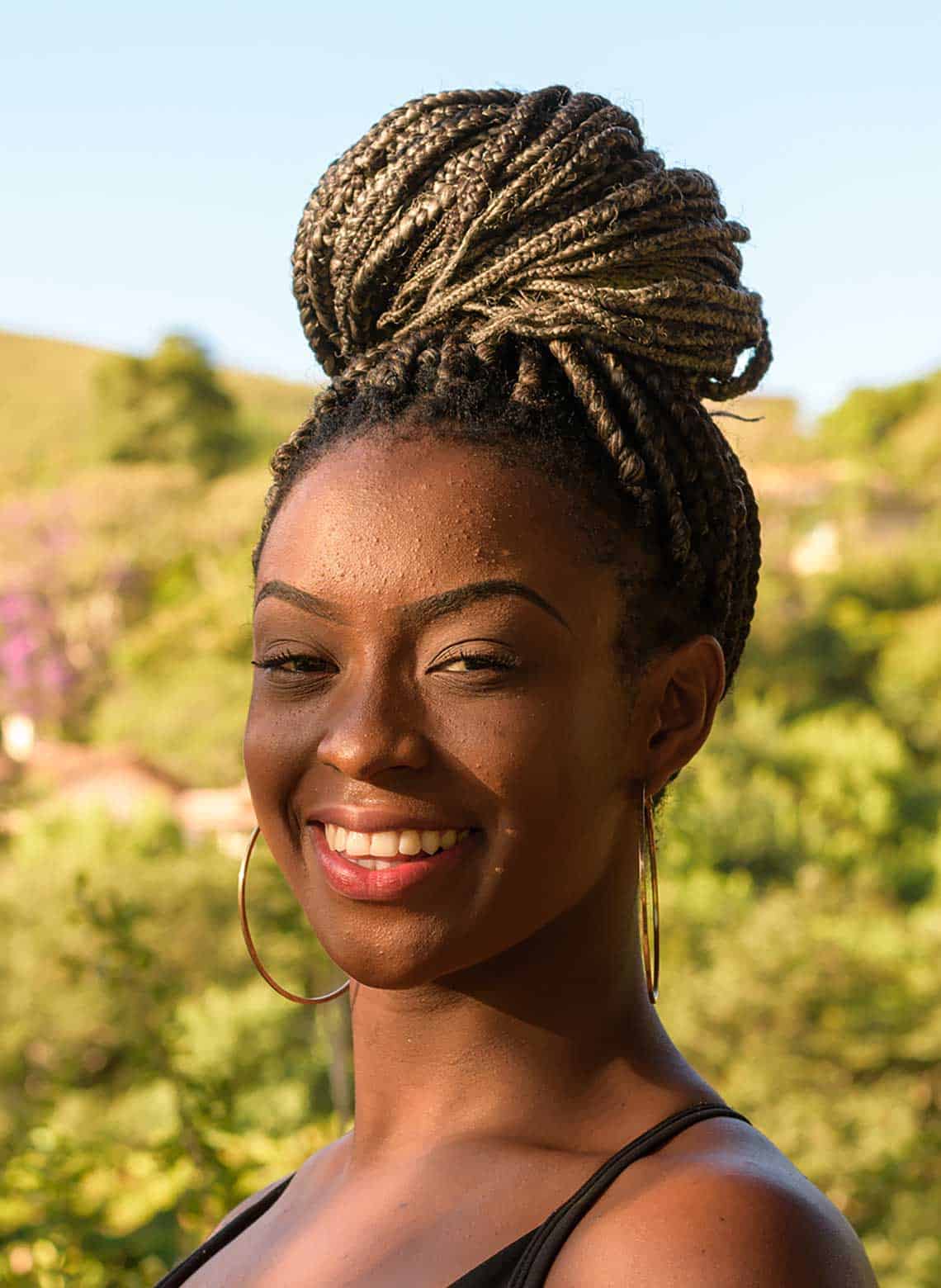
Thick coily braids in a top knot
Via styleseat.com
Volume starts at the scalp with these thick, coily braids, all gathered into a large top knot that sits high on the head. Dark brown strands carry subtle blonde pieces for depth, though the overall effect stays grounded. This is a protective style built for thick, coily hair, and it works for any face shape because the height balances the proportions. Very fine or thin hair may lack the mass needed for the knot to look deliberate. Firm pins and a strong hair tie keep the knot in place, and the braids need a touch-up every eight to ten weeks.
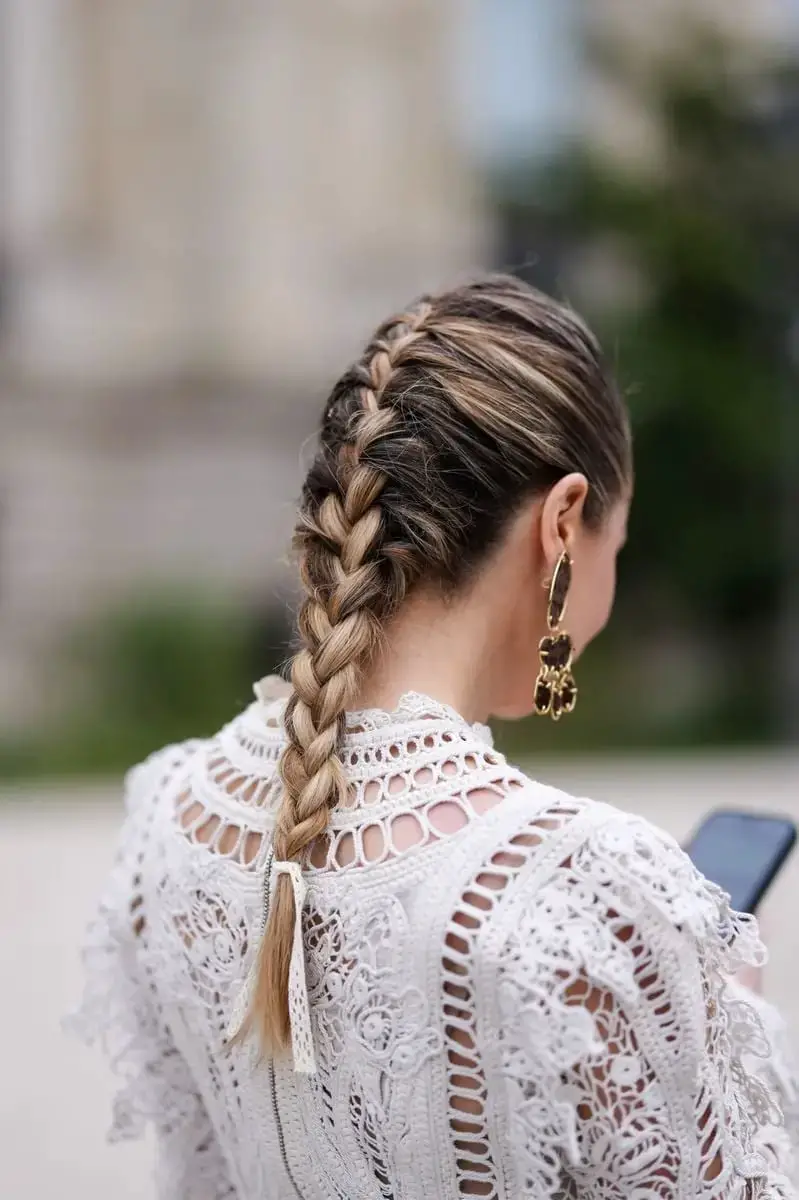
Grown-up side French braid
Courtesy of: hola.com
French braids sit close to the scalp, so every section needs a clean part and a steady tension. Fine, straight hair holds the pattern best. It won’t bulge or slip. The dark blonde base lets the lighter highlights look individual strands woven through the braid. Ask your stylist for: side french braid, dark blonde with highlights. A fine-tooth comb keeps the edges tidy while you braid.
High ponytail with voluminous waves
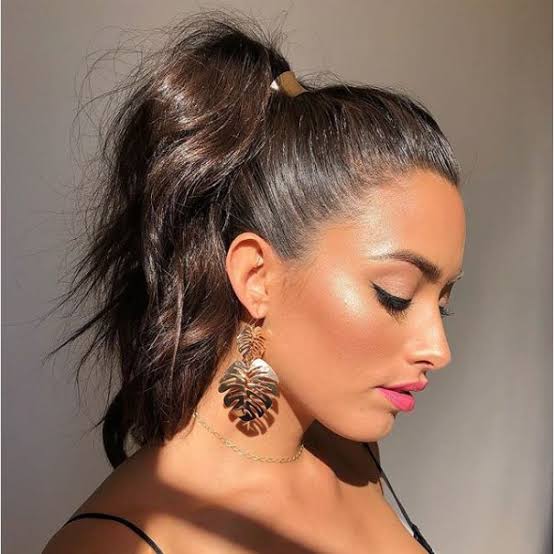
Photo credit: southernliving.com
Ponytails look best when the crown has lift before the hair tie goes in. Tease the section behind the part, smooth the surface, then secure at the top of the head. The middle parting keeps both sides even, and the dark brown color forms a single glossy sheet down the length.
Wavy, thick hair does the work here, no curling iron needed if the texture is already there. A quick pull-up for mornings, but the volume holds longer when the hair is fully dry. No salon required, just a brush and an elastic.
Braided half updo with fishtail detail
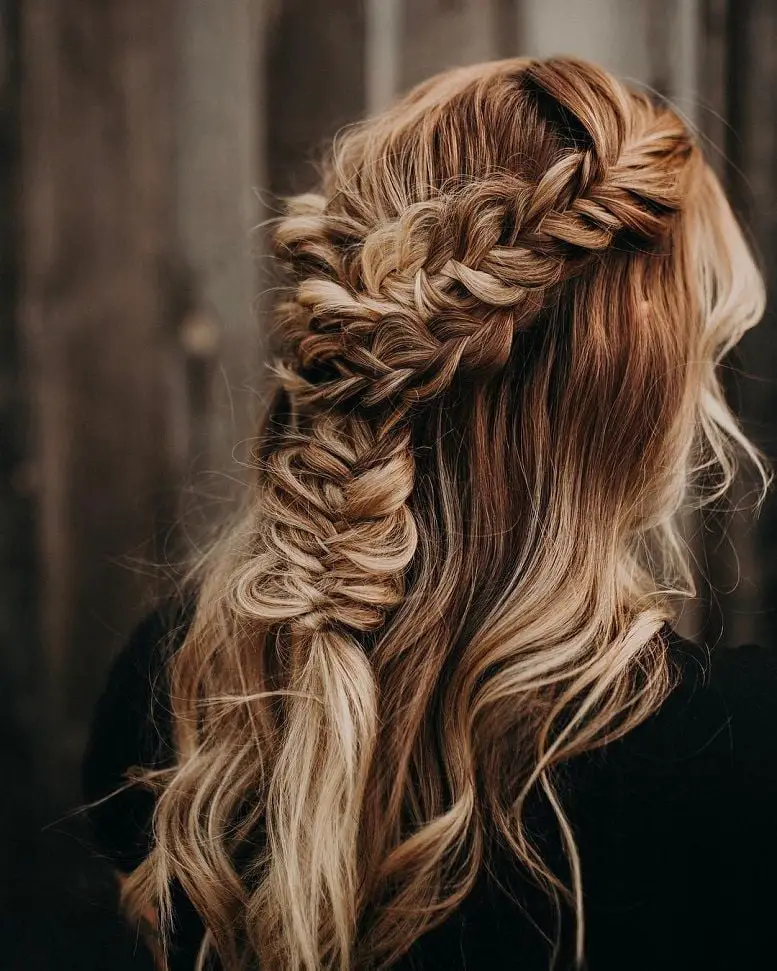
Image credit: fabmood.com
A fishtail braid takes longer than a standard three strand. The sectioning is smaller, the pattern slower. The half up half down shape leaves the rest loose, so the warm brown with blonde highlights shows in both the braid and the waves around the face. Thick, wavy hair gives the braid enough weight to hang straight. The catch: styling time runs closer to thirty minutes. It works best for those who want a middle ground between fully down and fully up. Ask your stylist for: half updo with fishtail braid, warm brown with highlights.
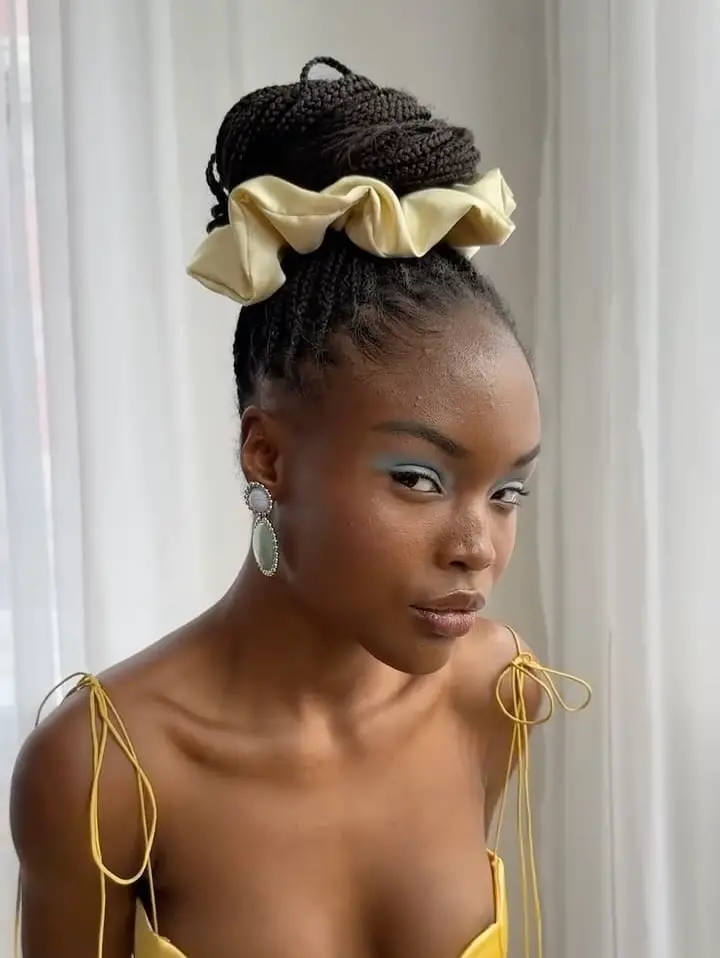
Sleek braided updo with scrunchie
Source: whowhatwear.com
A high bun sits at the crown, and the scrunchie doubles as the anchor and the finish. Coily texture wraps around the base without slipping, so the bun stays round and dense. The black hair reads solid against the pale yellow fabric, no blending, no fade. No bangs keep the forehead clear and the silhouette simple. Tight braids prevent the bun from loosening during the day.
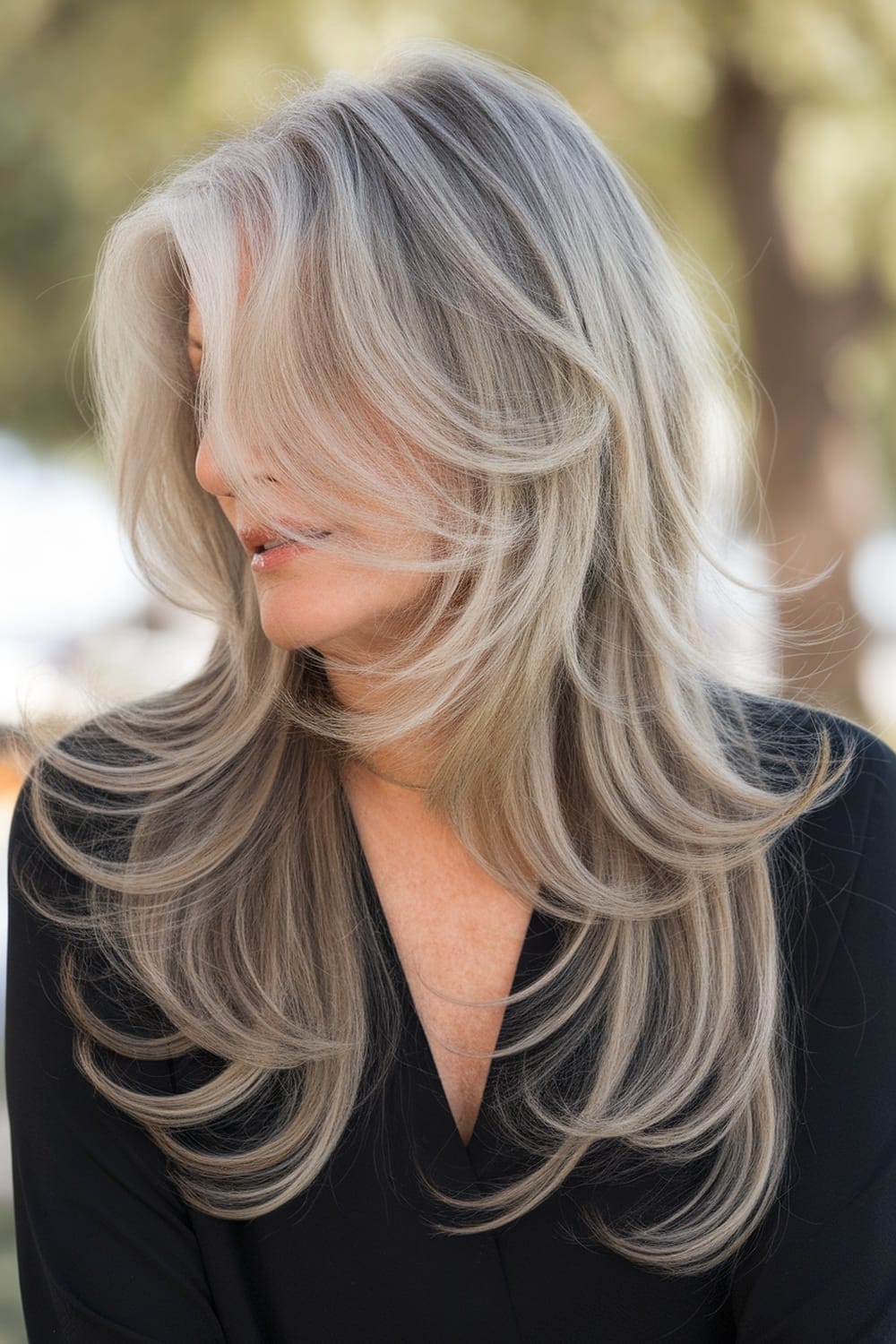
Ash blonde long layers with face-framing waves
Source: snazzylair.com
Long layers cut into fine, wavy hair give the ends movement without losing density. The face-framing pieces start around the jaw and curve forward, so the wave sits directly against the cheekbone. Ash blonde with darker roots means the regrowth line is soft, no harsh band at week four. The side parting angles the layers to fall more on one side, which suits round and heart face shapes.
A large barrel curling iron on the front sections keeps the face-framing curve consistent. The rest of the wave comes from the natural texture and a wide-tooth comb.
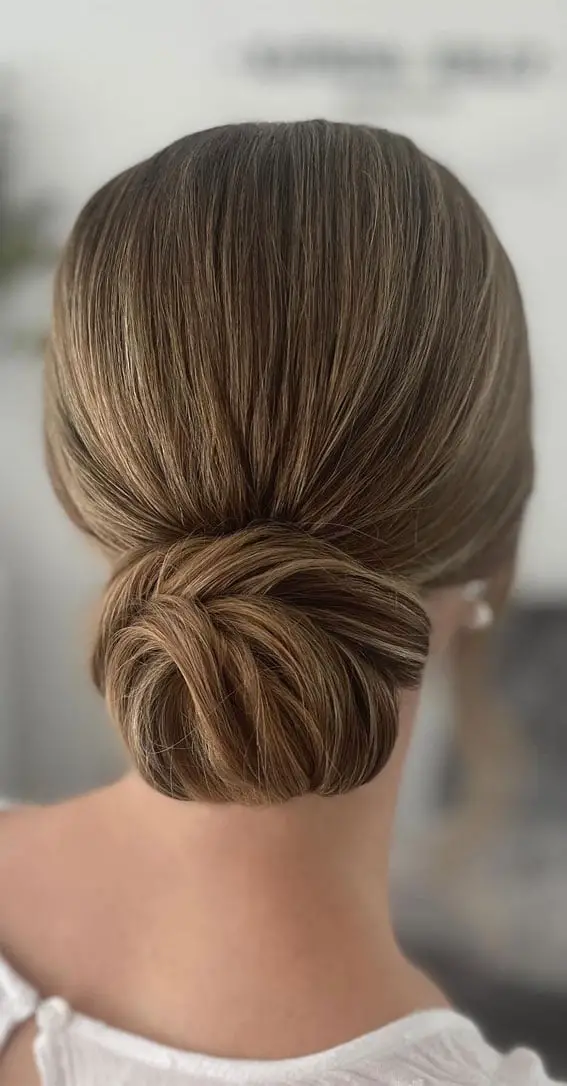
Intricate twisted low bun on dark blonde hair
Via fabmood.com
Neatly twisted strands form an intricate knot at the nape, with subtle lighter highlights visible across the dark blonde base. Fine, straight hair holds this shape best. The smoother your texture, the cleaner each twist reads against the next. The middle parting keeps the front simple so nothing competes with the knot. Tell your stylist: intricate twisted low bun, dark blonde with highlights. Apply a serum before you start; flyaways interrupt the line.
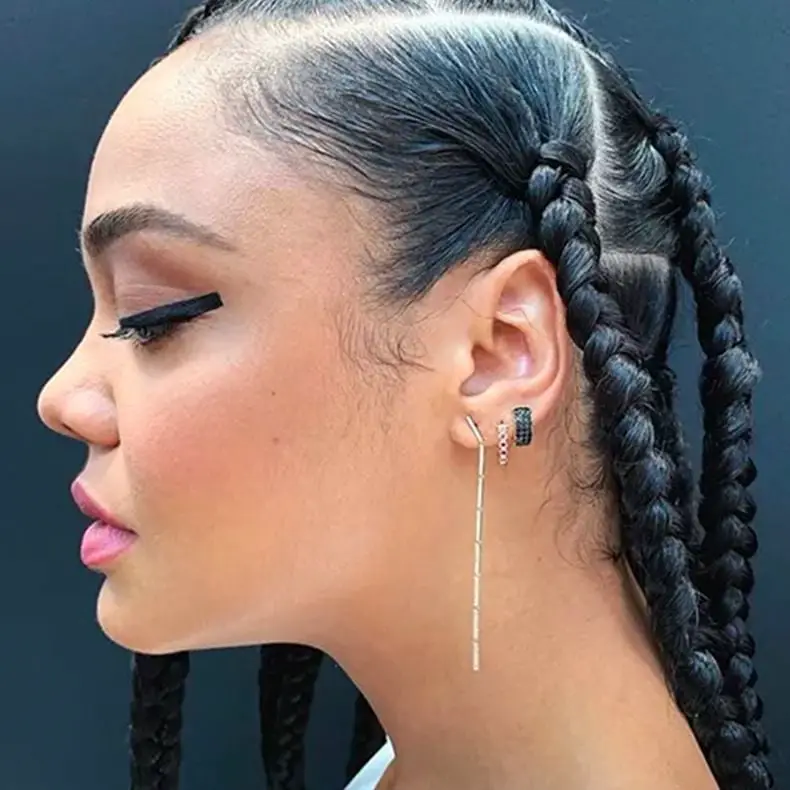
Multiple black braids kept close to scalp
Courtesy of: glamour.com
How many braids does it take to cover the scalp this evenly? About forty, give or take, depending on your head size and how fine you want the sections. The hair is slicked back from every angle, with defined baby hairs along the hairline for that intentional finish. Thick, straight hair gives the cleanest result, coarser textures may need a stronger hold product to stay flat. Book it as: sleek cornrow braids, black hair. This is a chair event, not a bathroom-mirror afternoon.
Minimalist top knot from slicked-back hair
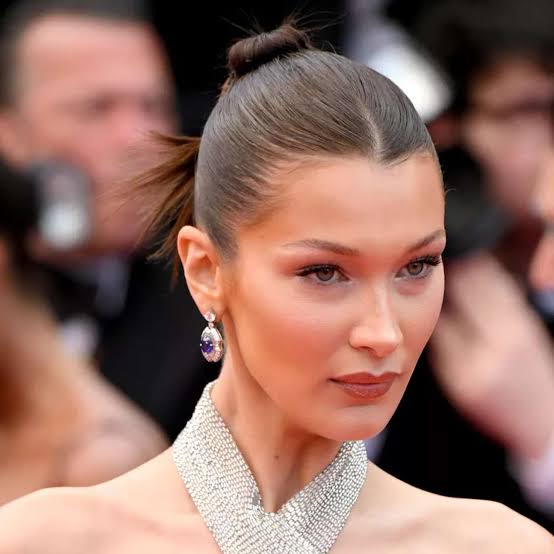
Photo credit: byrdie.com
A sleek high ponytail keeps the hair off the neck, but this version pulls it taut into a tiny top knot bun that barely moves. The middle part and slick finish make it a different animal entirely. Fine, straight dark brown hair responds well to the tension; thicker strands may resist lying flat against the scalp. Long and oval faces suit the clean vertical line. Pass when you want volume at the crown. This one builds height from the bun, not the roots. A gel with a strong hold dries without flakes.
Stacked braided buns with laid edges
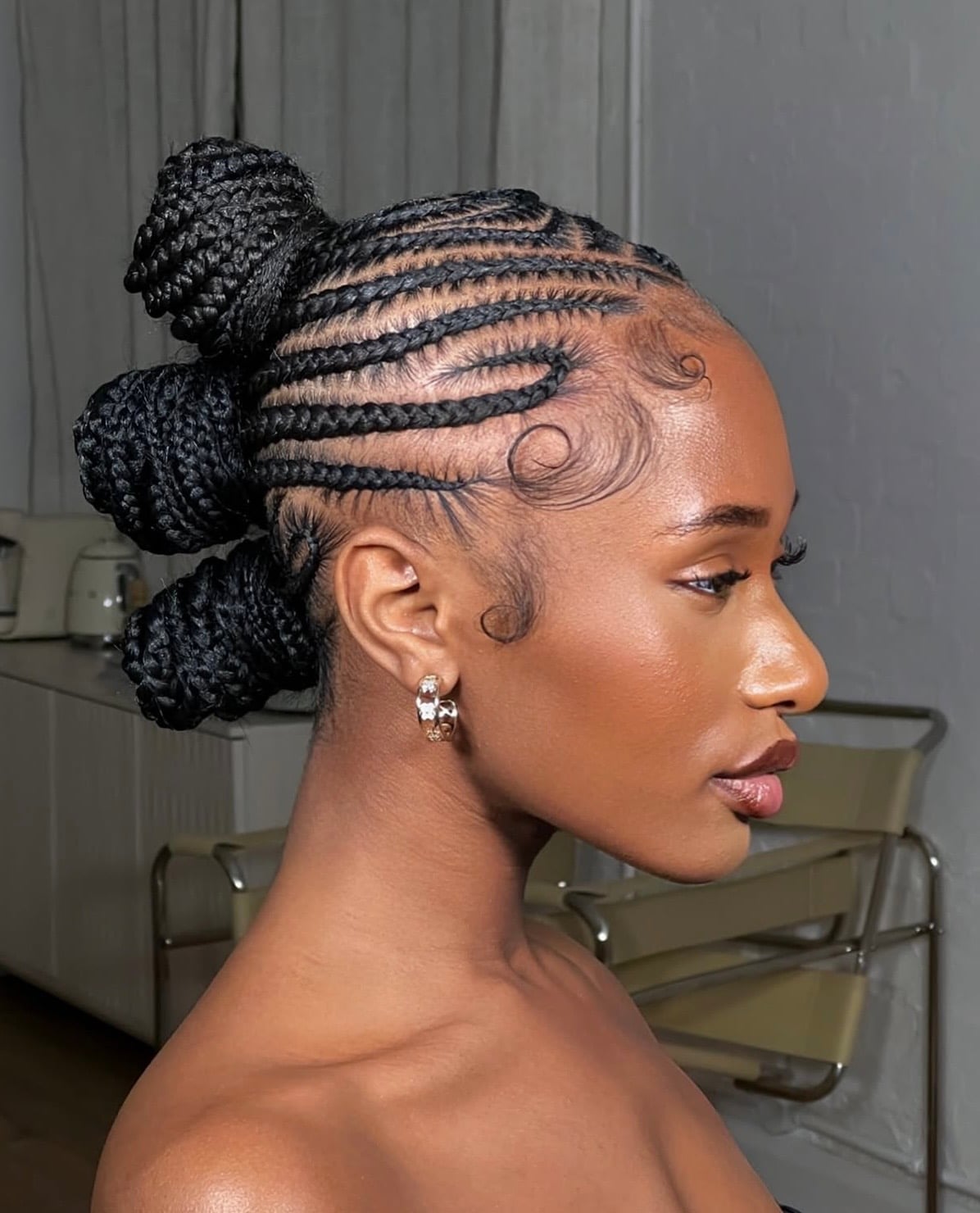
Image credit: stylerave.com
Cornrow braids run from the front hairline to the crown, where they feed into two braided buns stacked one above the other. The middle part splits the scalp work evenly, and the laid edges soften the transition from braid to skin. Thick, coily hair provides the grip needed for this structure; fine strands may slip mid-week. Every bun sits independent of the next, so the shape holds its volume without pins fighting each other. Ask your stylist for: cornrow braids to stacked buns, laid edges. The design requires patience in the chair. Each braid section needs equal tension.
Once the buns are set, the hairline work begins. A small amount of edge control smooths the baby hairs into curved lines that frame the forehead. The result stays intact for days with a satin scarf at night.
Braided updo with floral accessory
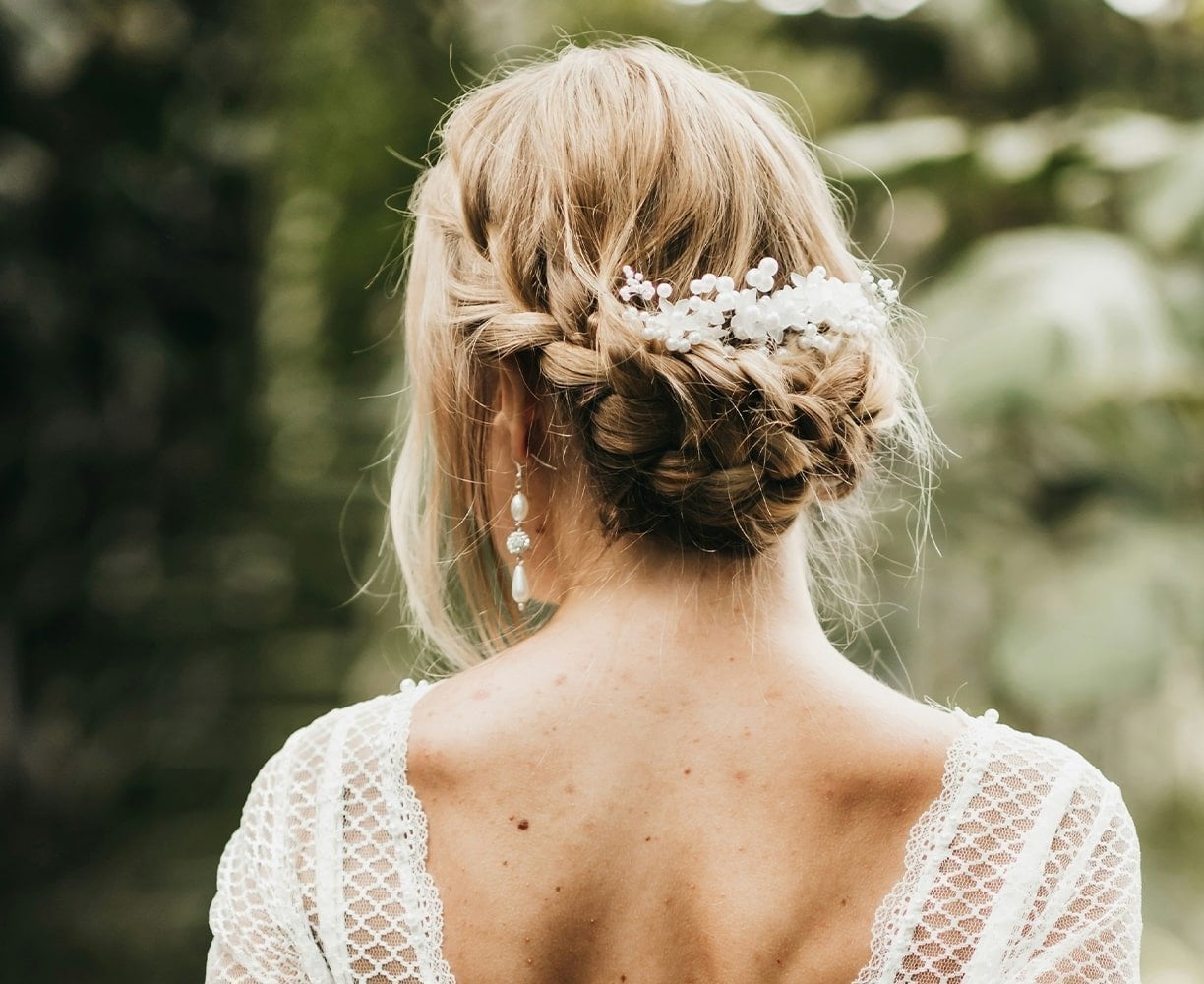
Source: garnierusa.com
Intricate braids sweep upward from the nape and weave into a single updo, with small white flowers tucked between the sections. The blonde hair is pulled away from the face entirely, so the accessory and the braid pattern carry the design. Thick, wavy hair gives the braids enough body to stay visible through the layers. Oval and heart-shaped faces benefit from the clear forehead this shape creates. The braids need to be tight enough to hold the flowers, and loose strands will fight the accessory. This one belongs at a wedding.
Crown braid transitioning to a bun
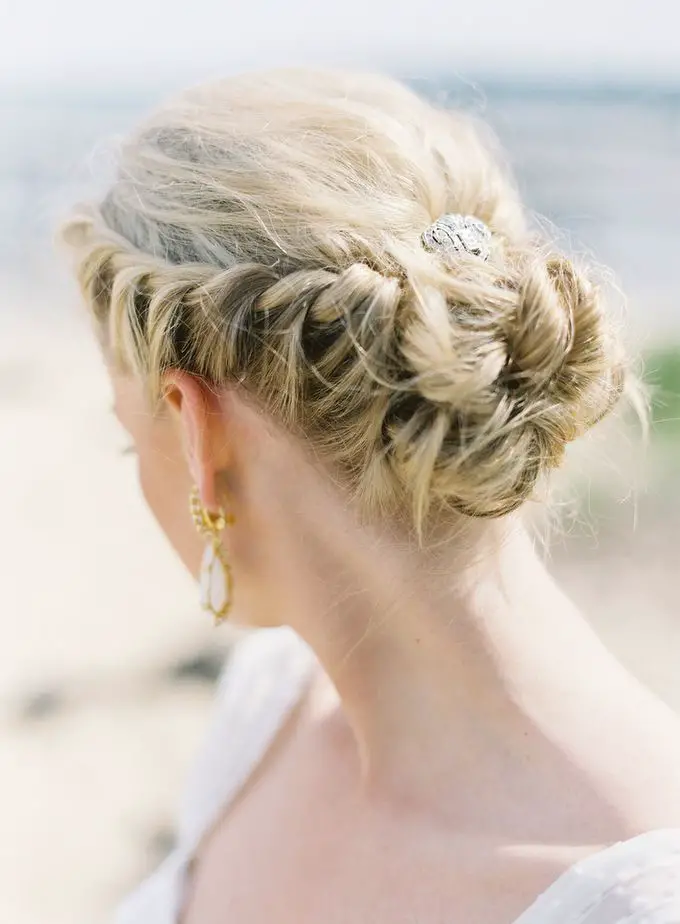
Start with a texturizing spray for grip, because fine, wavy hair tends to slip out of intricate braids. The style weaves a crown braid from the front hairline, meeting at the nape where it rolls into a textured bun, pinned with a sparkling clip. Ash blonde with subtle highlights adds depth that makes the twists read clearly from across the room.
This updo holds through a ceremony, dinner, and the dance floor, but it asks for a salon hand to build. Book it as: crown braid to bun. The clip stays put; the braid does the heavy lifting.
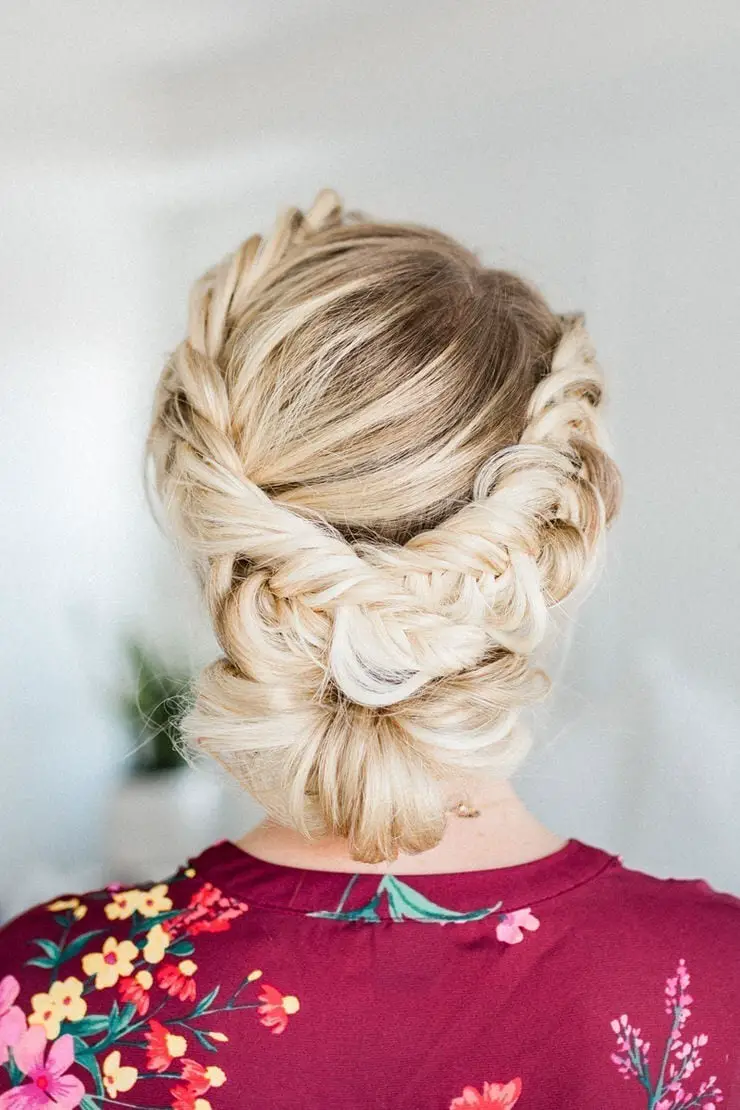
Braided crown forming a low bun
Courtesy of: ohmeohmyblog.com
Two braids wrap the head like a headband, meeting at the back where they coil into a low bun. Thick, straight hair carries the structure without frizzing, and the blonde balayage over darker roots gives the weave a gradient that shows each twist. This is a salon-only design: the parting must be precise and the tension even, or the whole thing lists to one side. Expect to sit for about three hours, since the braiding is intricate and the color was already built in. Tell your stylist: braided crown to low bun.
High ponytail with braided crown
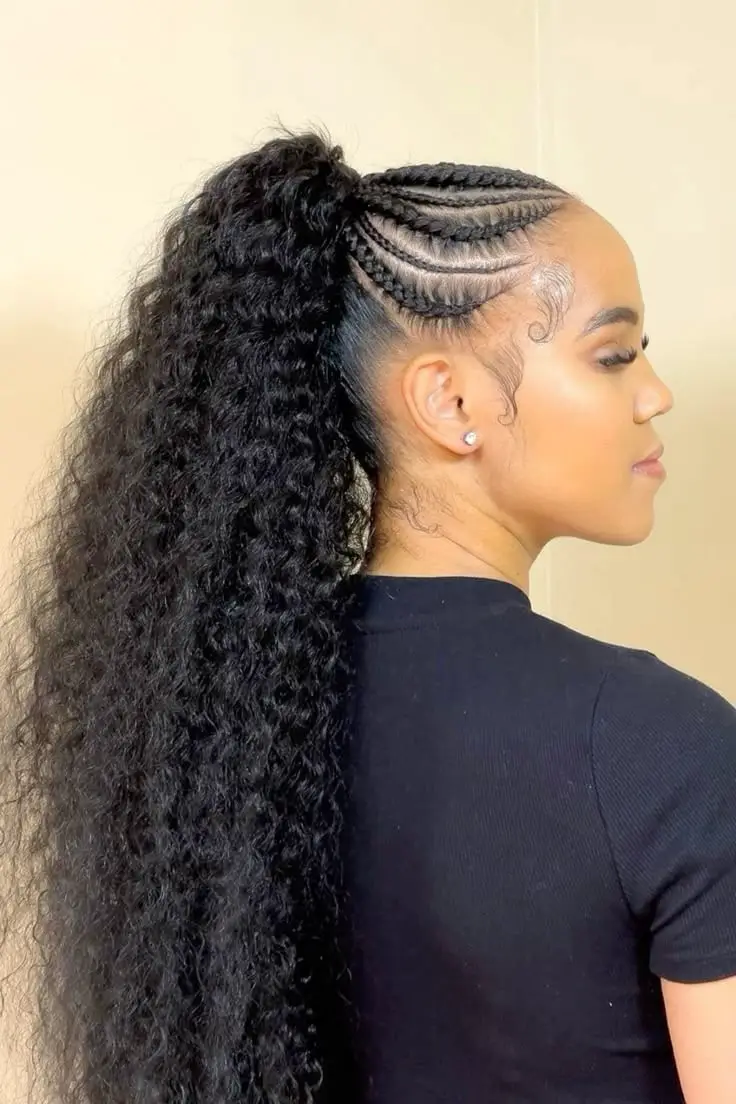
Photo credit: slrawvirginhair.com
Set this against a plain high ponytail, and the braided crown wins every argument. Black, thick, curly hair rises into a ponytail wrapped at the base, while a braid circles the crown and a middle parting keeps the edges sleek. Long curly extensions add volume that makes the tail swing with weight. The catch: the intricate braiding takes time, easily an hour in the chair, and the extensions need re-securing every few weeks. The hold is firm, thanks to a strong-hold hairspray on the edges, and the style stays put through a full event.
Sleek dark brown low coiled bun
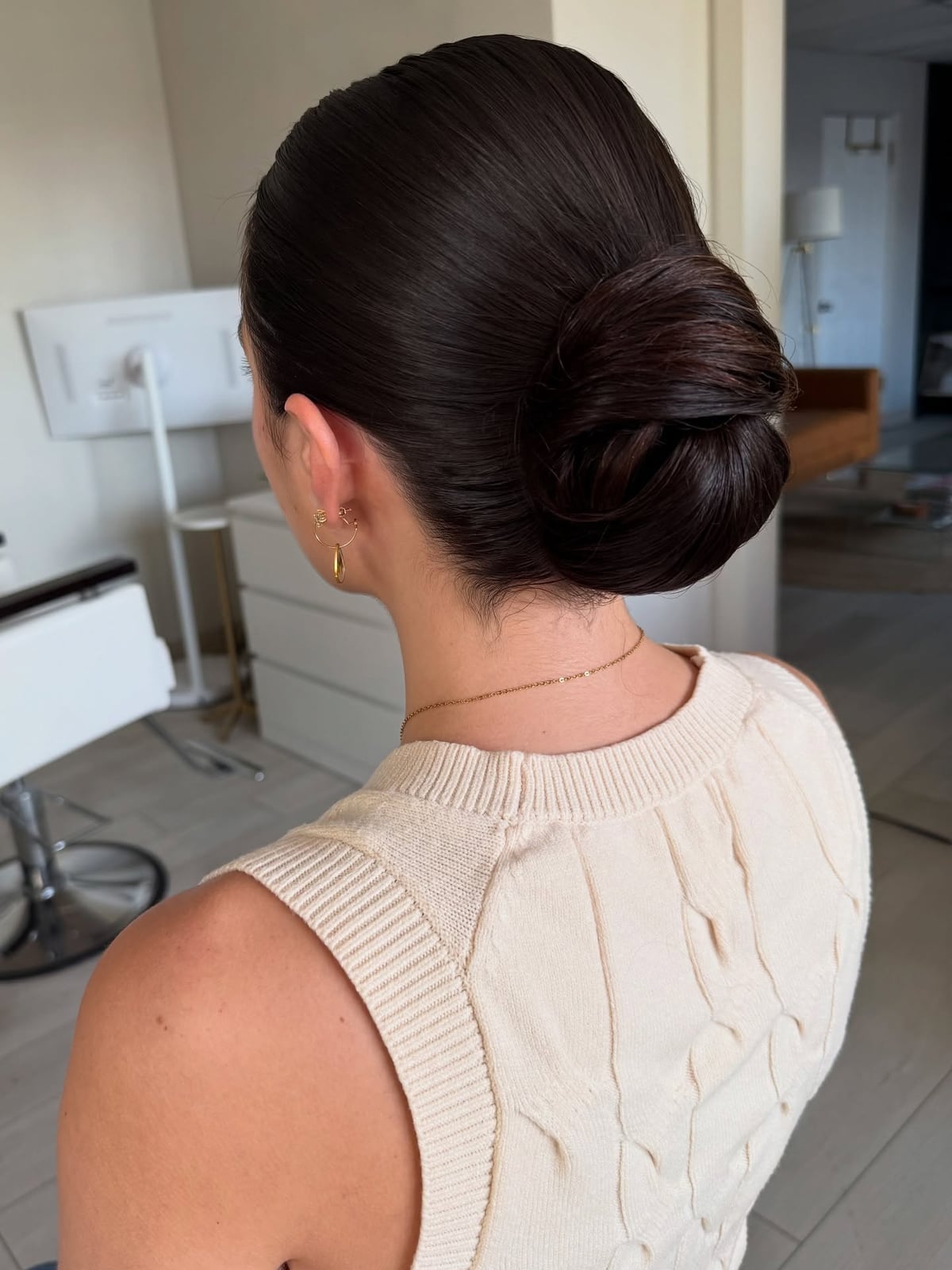
Image credit: latest-hairstyles.com
Pull hair back tight from the face, no part, and let it gather into a low bun at the nape. Dark brown, straight, thick hair takes the slicked-back shape without flyaways, and the glossy finish makes the bun look carved rather than twisted. Use a strong-hold gel to smooth every strand before you wrap the bun, then pin it close to the head so the bun forms a single piece. This suits oval and long faces, since the sleekness adds width at the cheekbones. Hair that is fine or wavy will not hold the shape, because the style needs density.
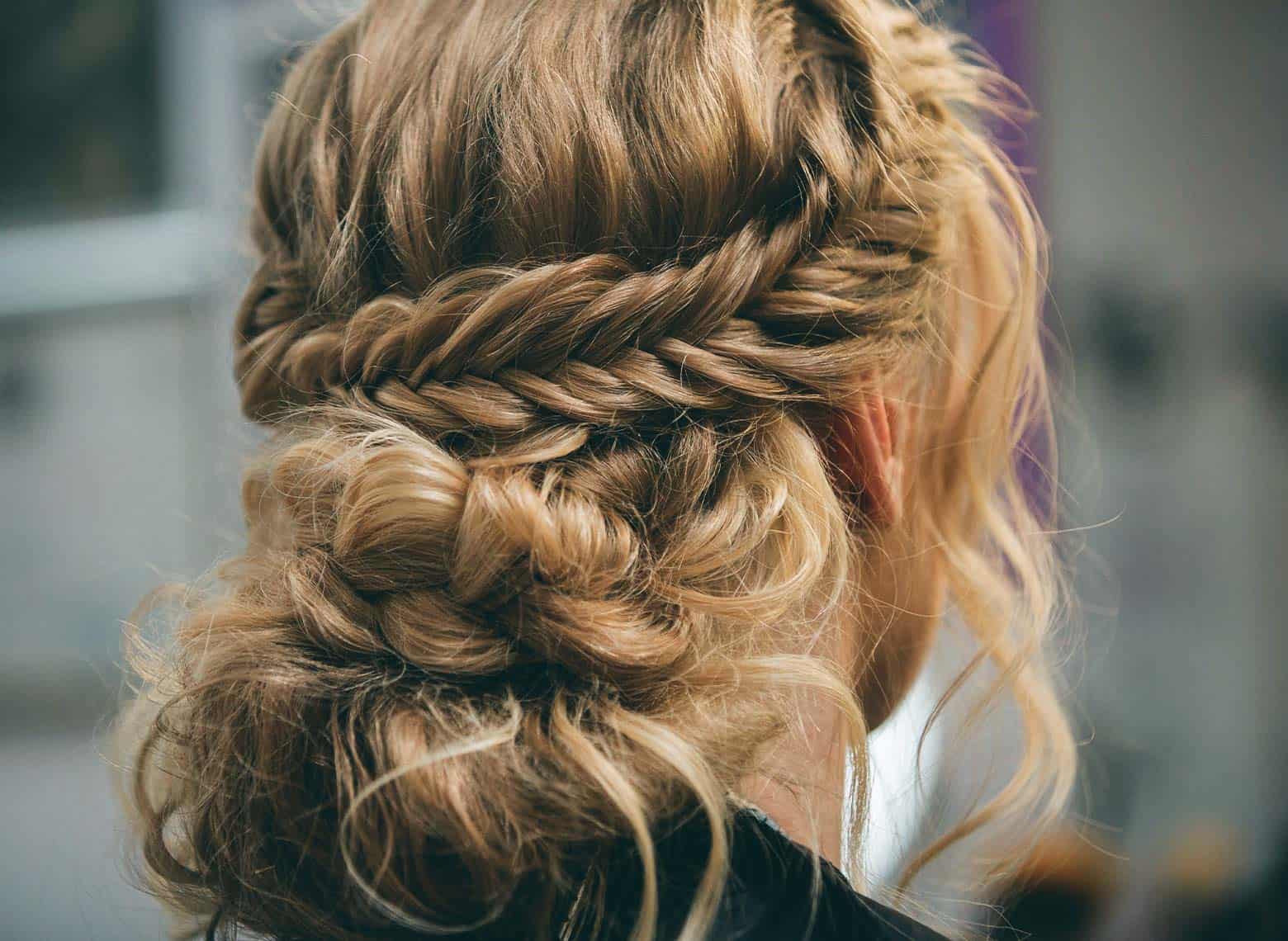
Honey blonde updo with braided crown
Via styleseat.com
This works because the braided crown is built from wavy, thick hair, so it holds volume instead of flattening. Honey blonde with lighter highlights adds dimension in the twists, and the crown sweeps back into a textured bun with loose waves and face-framing tendrils left out for softness. The loose tendrils are the secret: they make the updo look romantic rather than rigid, and they soften any face shape. Hair that is very fine or straight may not hold the waves and texture without a stylist’s help. Ask your stylist for: a braided crown to bun.
Relaxed single braid over the shoulder
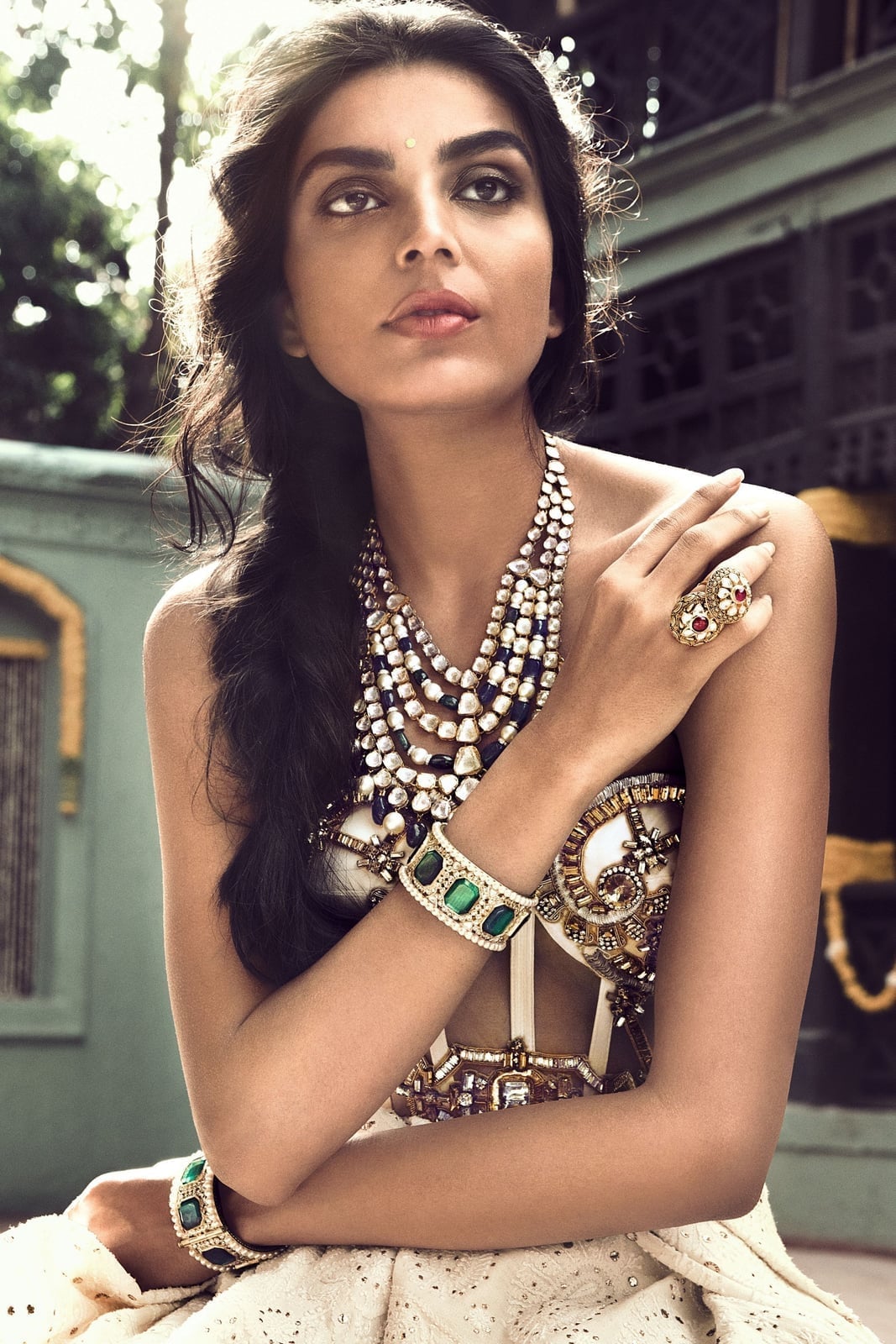
Courtesy of: vogue.in
Start with a loose, off-center part and thick, wavy dark brown hair. Braid it loosely, leaving a few inches unbraided at the end. Gently tug on each section to widen the braid. That takes it from tidy to deliberate. The braid may not hold in very fine hair, as it can slip out by noon. The hold comes from the weight of the hair itself, not from tension.
Voluminous loose curls cascading down mid-back
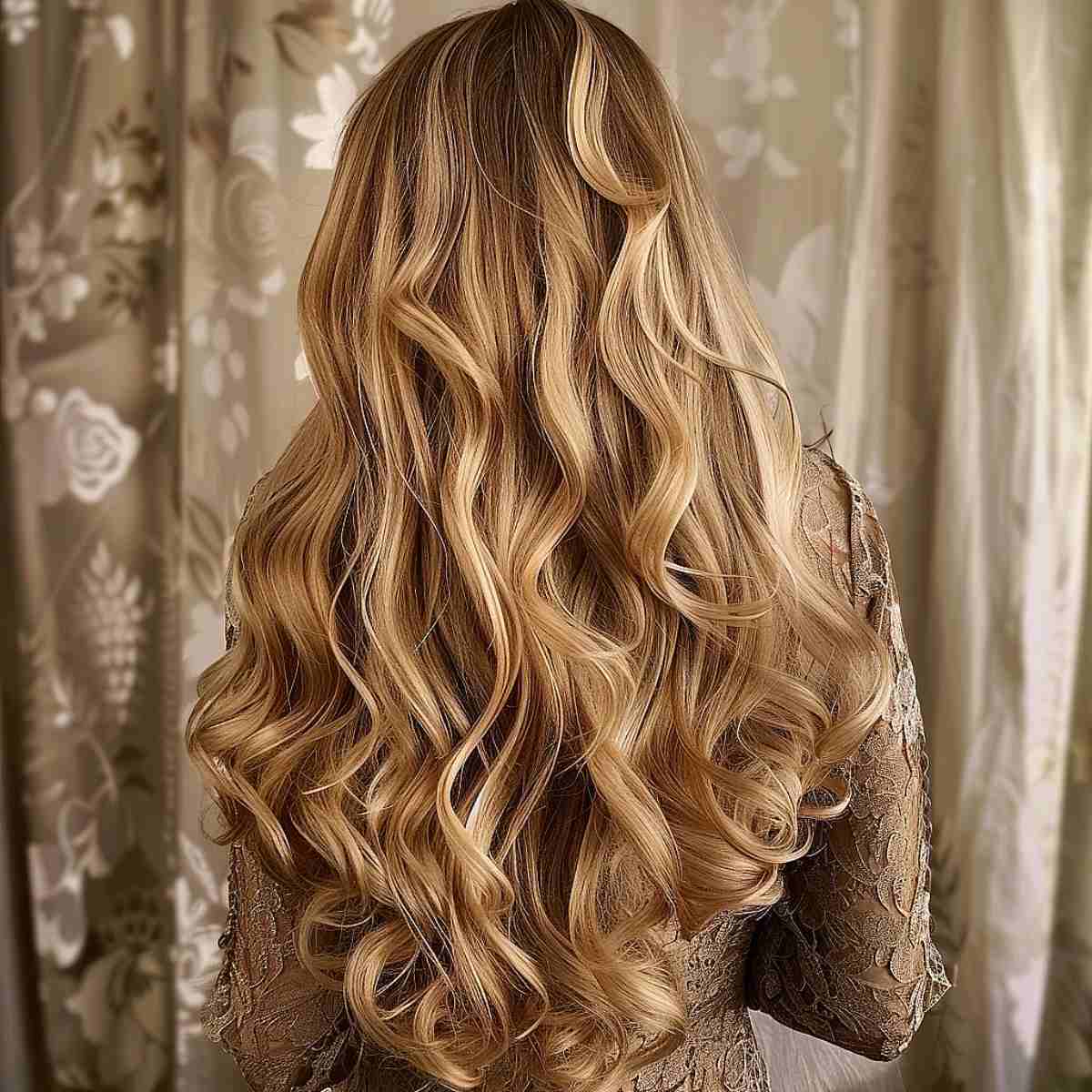
Photo credit: latest-hairstyles.com
Long, thick hair with a dark blonde base and honey highlights, curled into loose voluminous waves that reach mid-back. It looks like a party look. Here is the reality: the curls drop after a few hours unless you set each section on a hot iron and let it cool completely before releasing.
Upkeep every four weeks keeps the honey tones from turning brassy. The drawback is time, about an hour of curling for the full head. A wide-tooth comb separates the curls without deflating them. The hold is moderate; a texture spray before curling buys another hour.
Shag haircut with curtain bangs
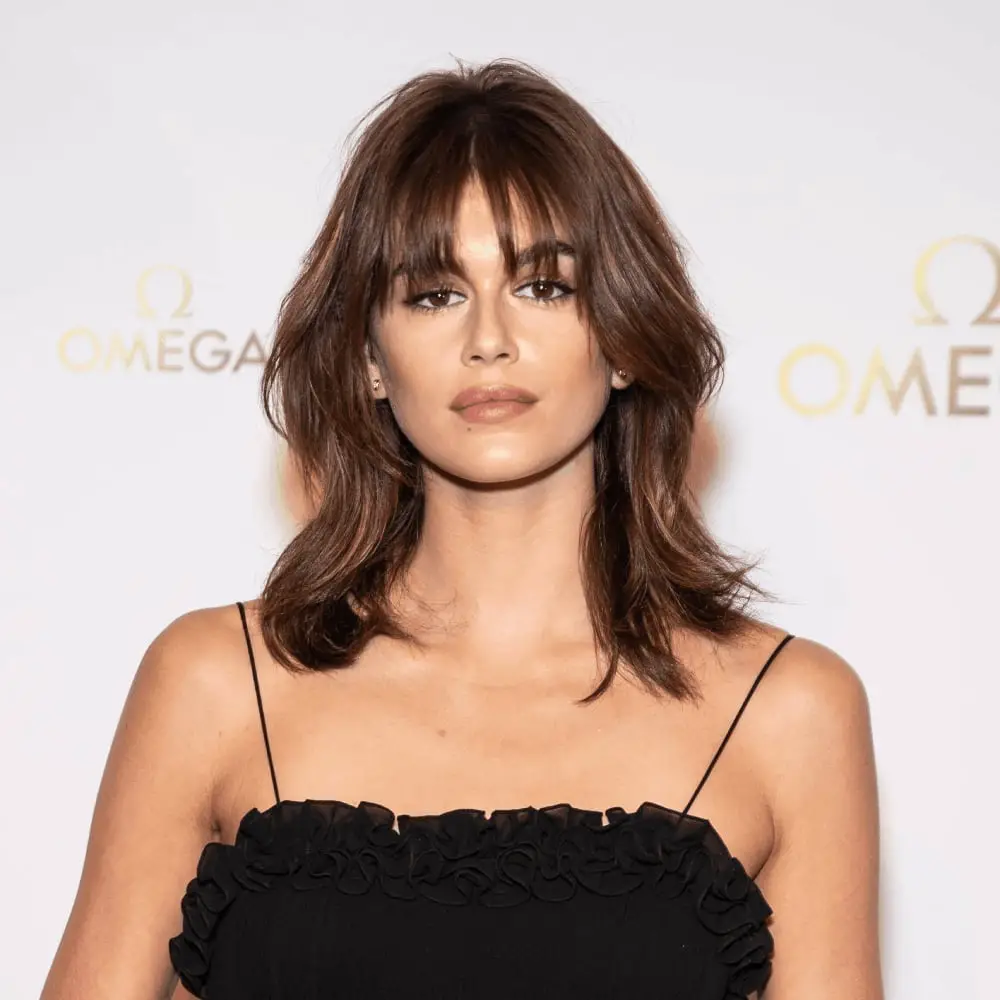
Image credit: canadianliving.com
Tell your stylist: shag haircut, curtain bangs, dark brown with subtle auburn highlights. The center part and the blowout do the work, not a curling iron. Curtain bangs need a round brush and a dryer every morning, plan for it. The fine, wavy texture takes the shag shape well. Suits round and heart faces. A blunt line is not for this cut; the shag lives on uneven ends.
Final Thoughts
The right style is the one you still like at 3 PM. Pick by your truth.
- Fine hair: a twisted low bun or a fishtail braid adds texture without weight.
- Ten minutes in the morning: a side French braid or a high ponytail with waves.
- Cool base that pulls brassy: ash blonde styles need a toning visit every four to six weeks.
- Low upkeep week: let braids breathe for a day between wears to protect the edges.
Find the perfect style that suits your lifestyle and hair.
