You have a protective style appointment coming up, and the usual twist-out is starting to feel predictable. Bantu knots are the answer. They photograph beautifully, last over a week with proper care, and the take-down gives you a voluminous curl set that earns the chair time twice over.
These 31 looks cover the range from small, precise knots you can do at home to intricate geometric updos that require a skilled hand. This is for coily, thick hair that wants a shape with real structure. Which is why Elegant Bantu Knots 2027 fill so many saved boards. The struggle is choosing between clean lines and decorative accents, and this collection helps you settle it.
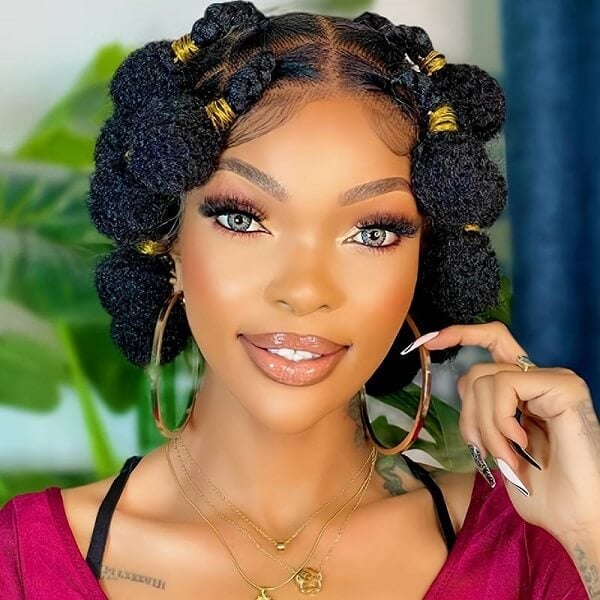
Gold cuffs on a black coily updo with bantu knots
Courtesy of: mybraidedwig.com
Multiple bantu knots rise from a middle part, each one wrapped in a small gold cuff. The coily, thick black hair stays in an updo, so the cuffs sit against the scalp rather than dangling. This suits round and oval faces equally. Not for a low-maintenance style; the knots and the metal require attention each morning to keep their shape. Ask your stylist for: bantu knots updo with gold cuffs. A light oil on the knots adds shine and keeps the coils from drying out by midday.
Radiating bantu knots for a striking geometric updo
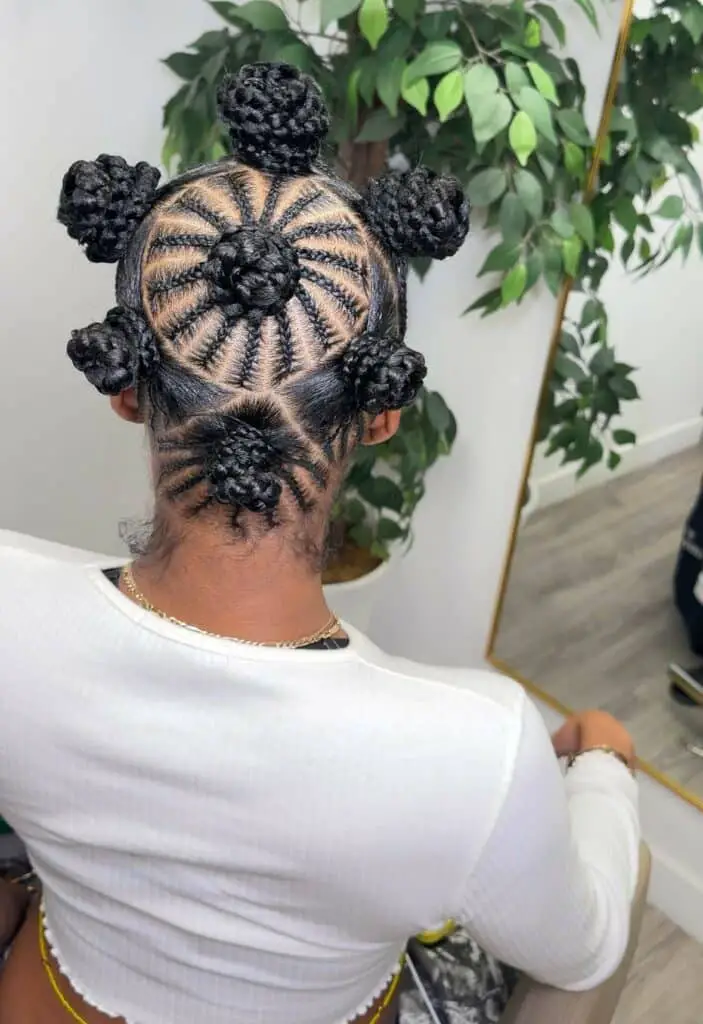
Photo credit: braidhairstyles.com
Standard bantu knots sit in neat rows; this one radiates outward from a center point, each section cut into a precise triangle. The middle part leads into a pattern of geometric sections that converge at the crown. Thick, coily hair holds those sharp lines best. Skip it if fine or thin hair struggles to keep a part visible; the whole effect depends on crisp edges. A strong-hold gel keeps those sections from blurring by evening.
Blonde highlights on bantu knots with cascading braids
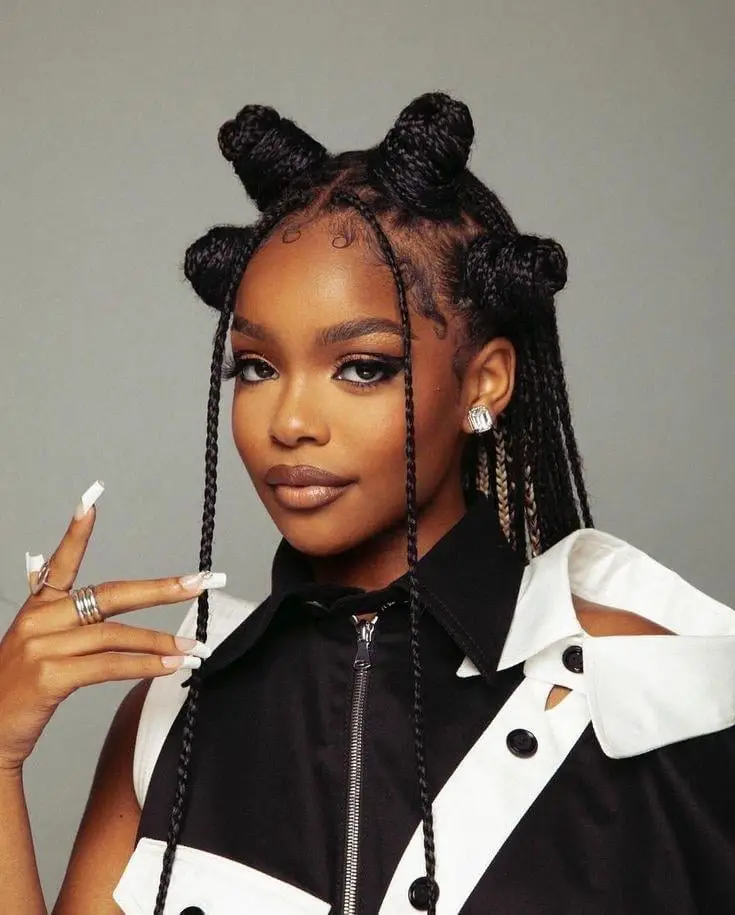
Image credit: marieclaire.ng
Black bantu knots sit at the crown, and from them fall long braids with blonde highlights woven through. The middle part and laid edges keep the front neat while the braids add length and movement. This works for thick, coily hair that takes braids well. Not for a solid color without highlights; the blonde is the whole point. Ask your stylist for: bantu knots with cascading braids and blonde highlights. A satin scarf at night protects the braids from friction.
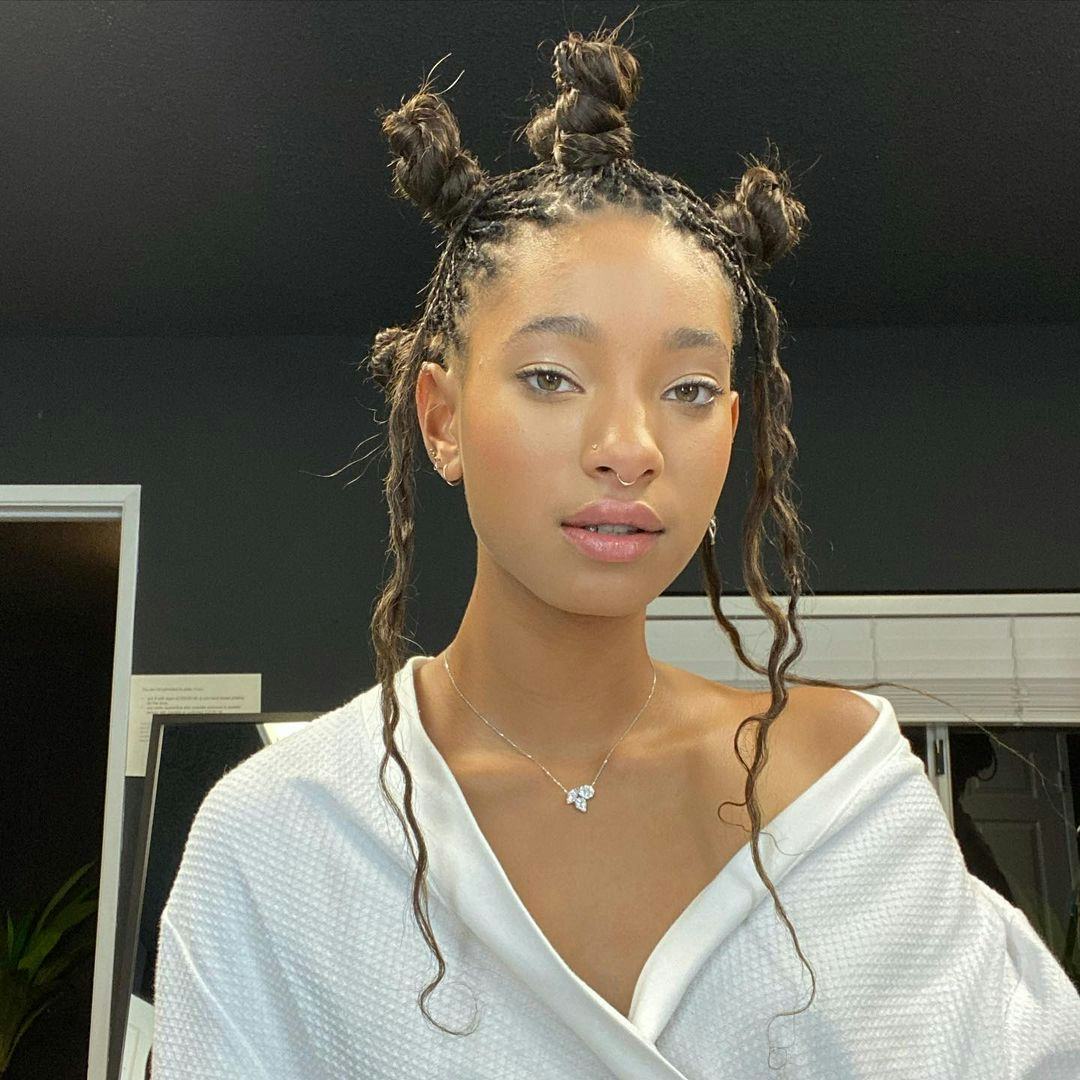
Soft tendrils framing the face in an avant-garde updo
Source: thezoereport.com
Want the structure of bantu knots without losing softness? Tightly wound knots sit across the crown, while loose, coily tendrils fall forward around the face. The contrast makes the updo feel less severe. Thick, coily hair supports the knots and keeps the tendrils defined. Not for anyone who wants a completely pulled-back style; those loose pieces need reshaping each day. A light styling cream on the tendrils prevents frizz without weighing them down.
Gold wire on geometric bantu knots and braids
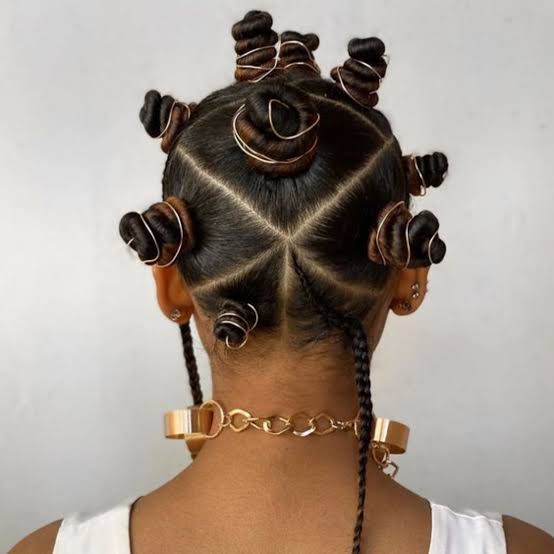
Black hair with subtle brown undertones is sectioned into precise geometric shapes, each knot wrapped in fine gold wire. The braids between the knots add a second texture to the pattern. Thick, coily hair holds those sharp parts and the wire stays put. Not for metallic accents; the wire is the focal point. Ask your stylist for: geometric bantu knots and braids with gold wire wrapping. Wrap the wire gently to avoid snagging individual strands.
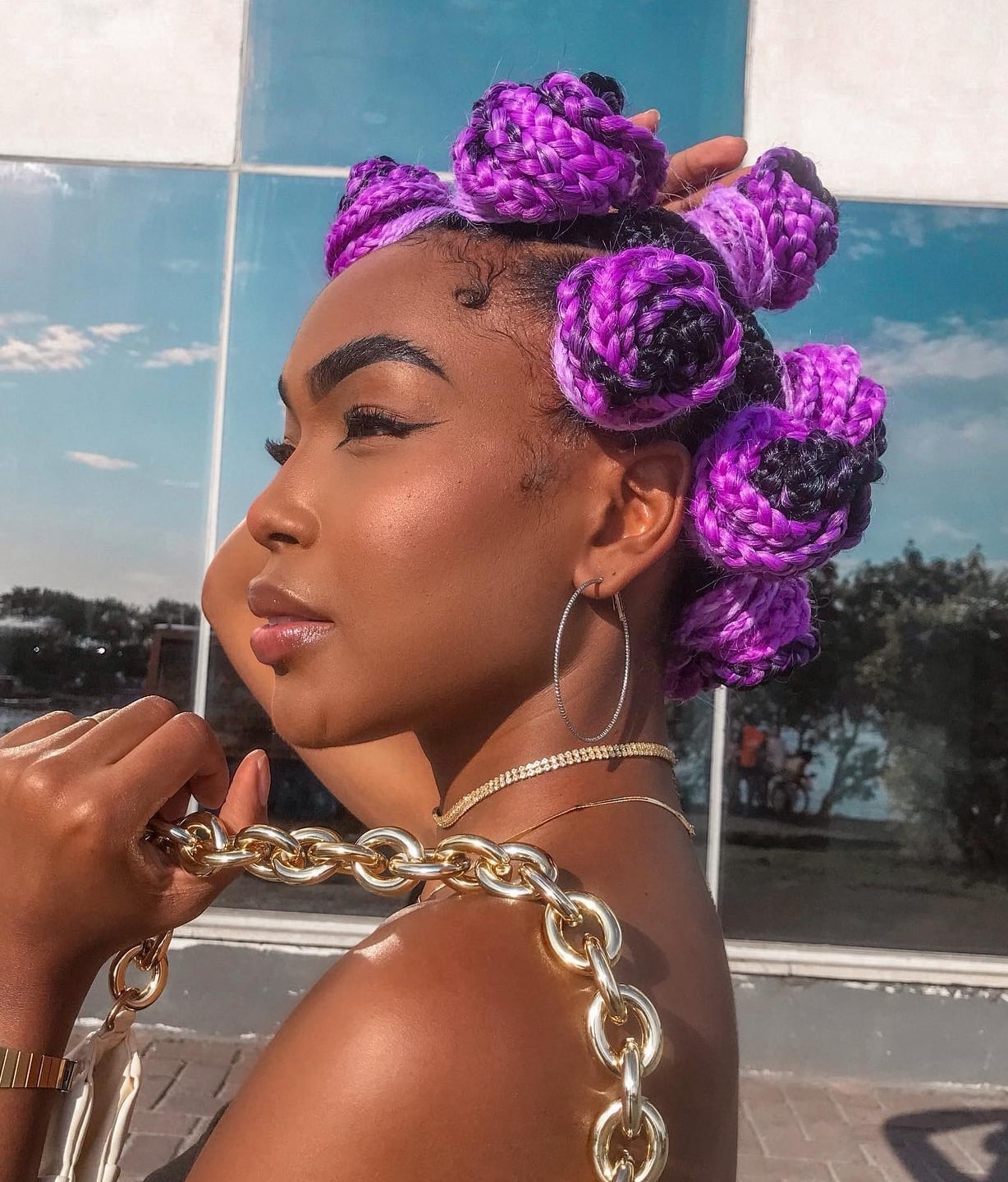
Vibrant purple and black bantu knots
Courtesy of: hadviser.com
Purple and black side by side on coily, thick hair creates a contrast that looks intentional. The slicked back base keeps the focus on each knot’s braiding and coiling. Curly tendrils at the front soften the geometry. Thick, coily hair holds the shape best. It works best with bold, non natural hair colors.
Multiple coiled bantu knots styled upwards
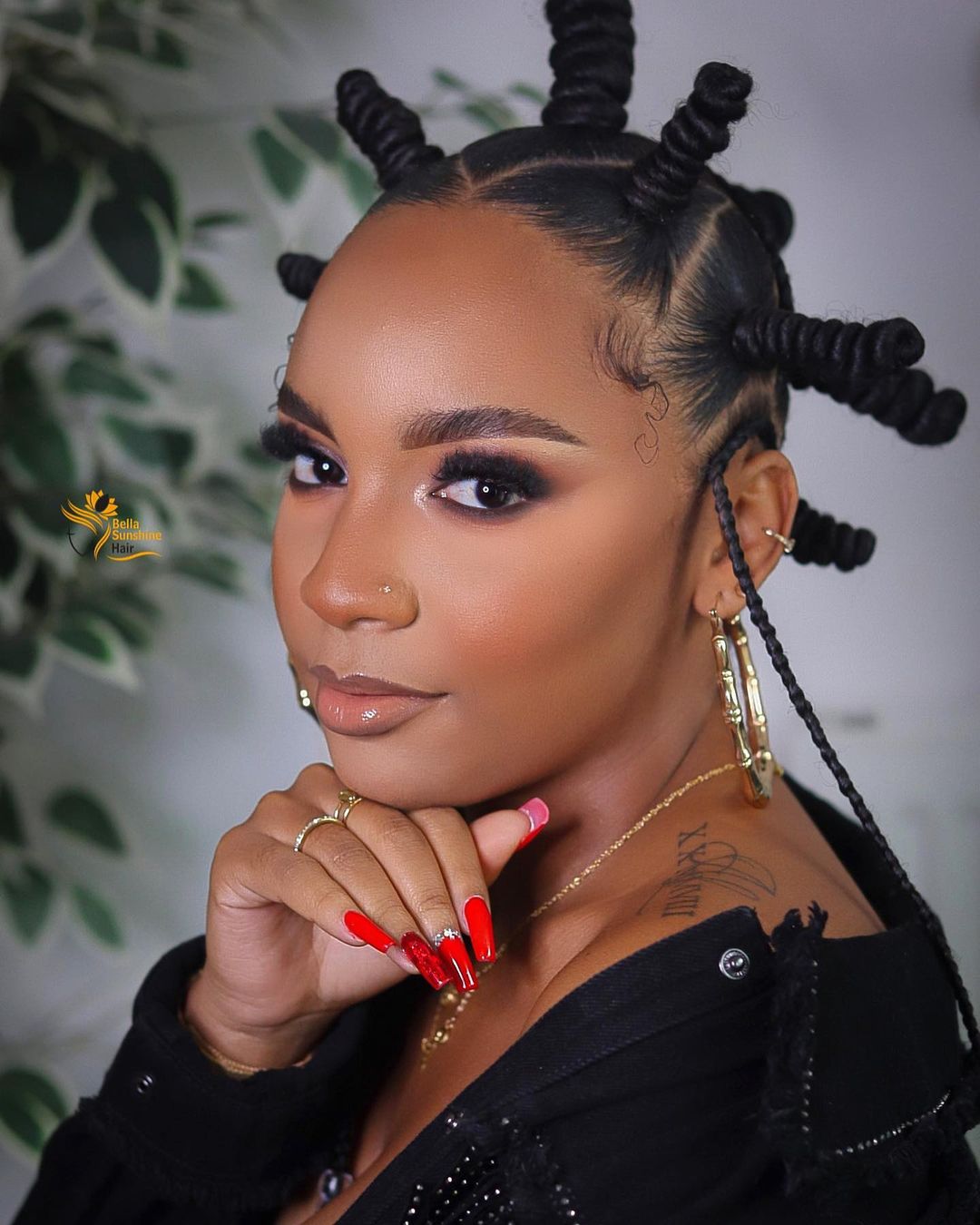
Photo credit: therighthairstyles.com
Compare this to knots that sit flat against the scalp. These coil upward from a middle part, building height at the crown. Each thick, coily knot is sectioned and twisted individually, so the updo looks a set of distinct shapes rather than one mass. Black hair keeps the lines clean. No bangs means the front stays open. Not for knots styled lower on the head.
Sculptural dark brown bantu knots
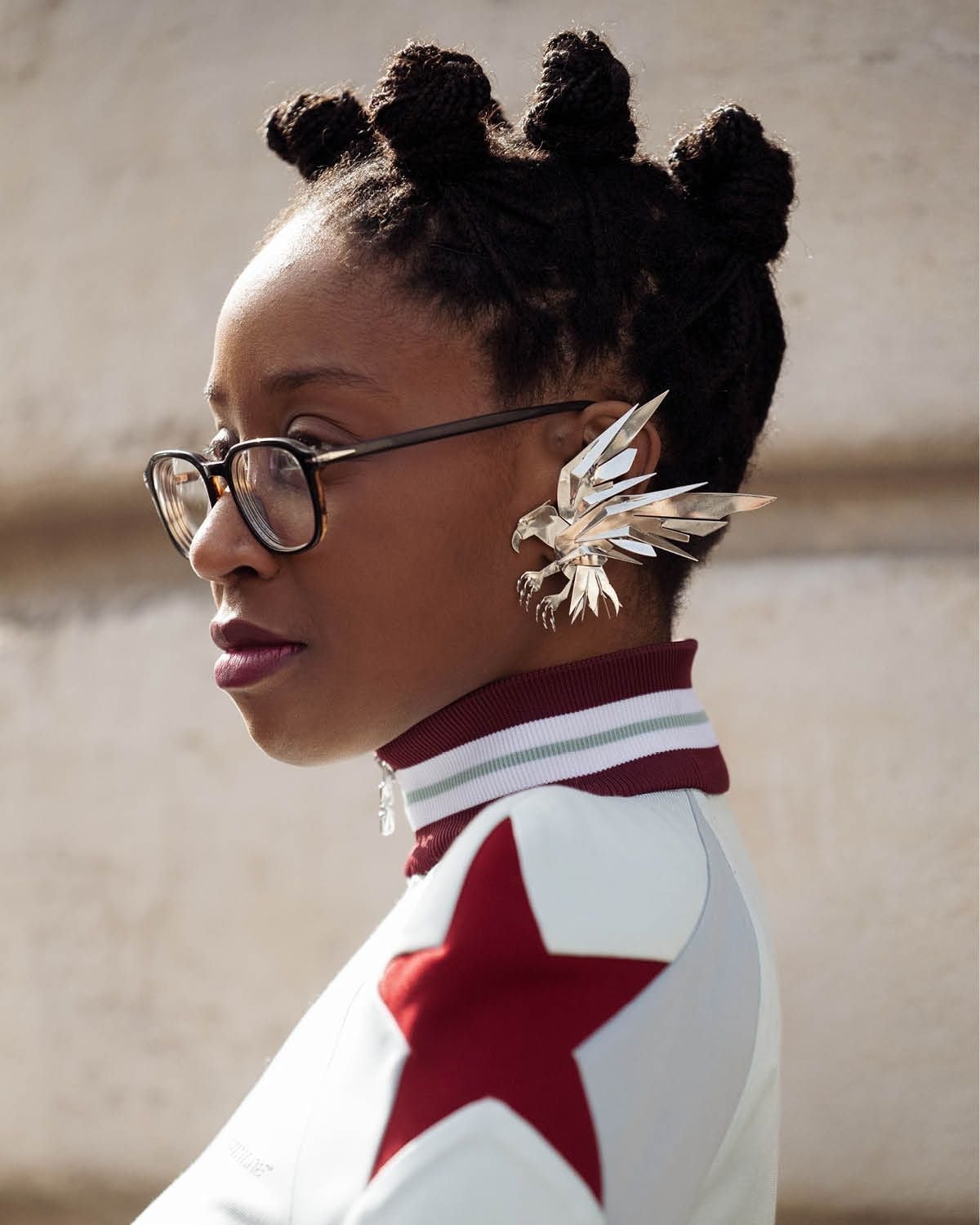
Image credit: allure.com
Wondering how to get that rounded, symmetrical shape? Dark brown coily hair is sectioned into precise squares, then each knot is coiled tightly and placed so the pattern looks a single sculpted piece. The side profile shows the clean line from middle part to nape. Tell your stylist: sculptural bantu knots in dark brown. Satin bonnet at night keeps the shape from compressing.
Heart-shaped bantu knot parting
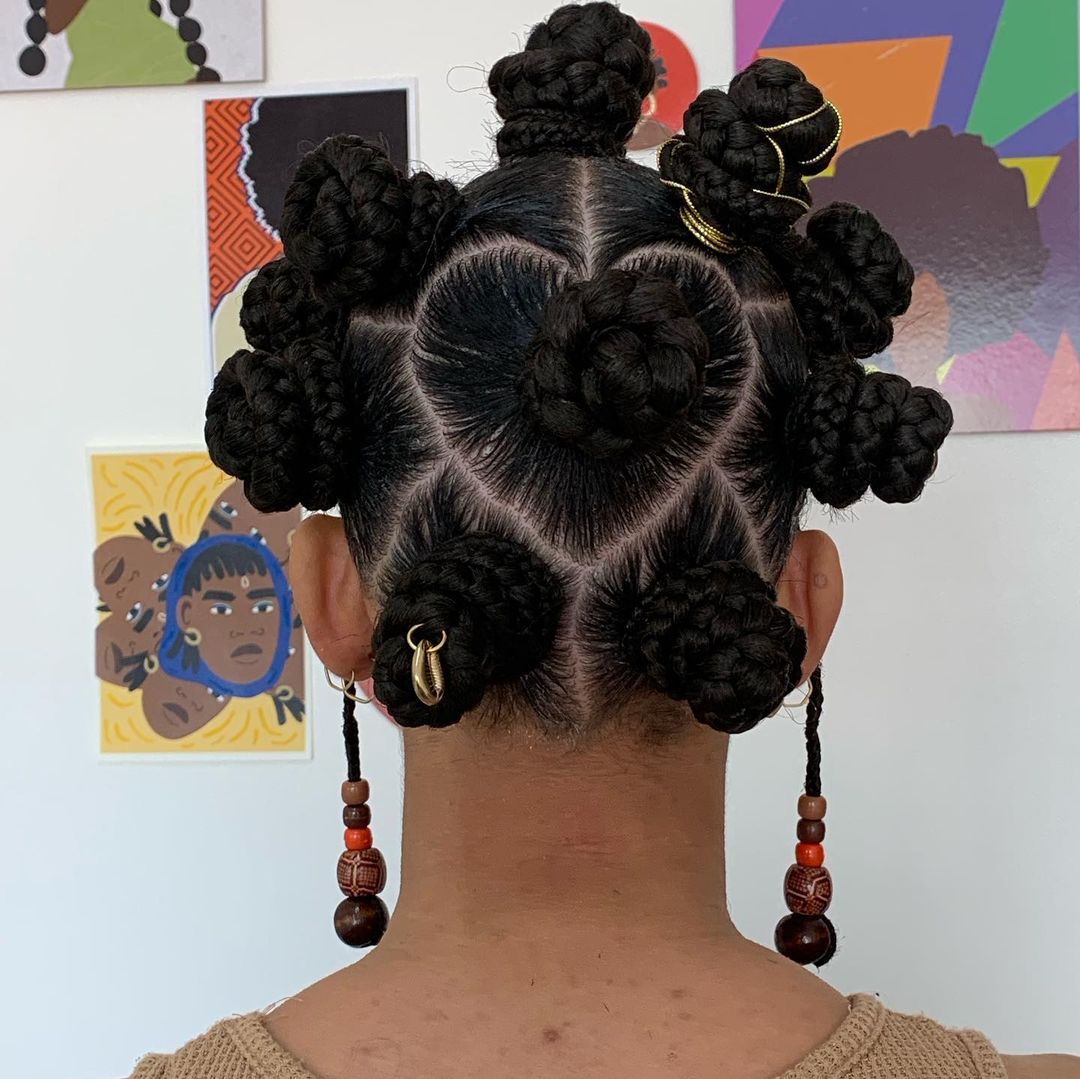
Source: therighthairstyles.com
A back view reveals the whole trick: a middle part that curves into a heart shape at the crown, with thick black knots following the line. The parting is so precise that the negative space between knots becomes part of the design. Coily texture gives each knot a rounded, full silhouette. This style leans romantic and whimsical.
Small bantu knots with mid-back braids
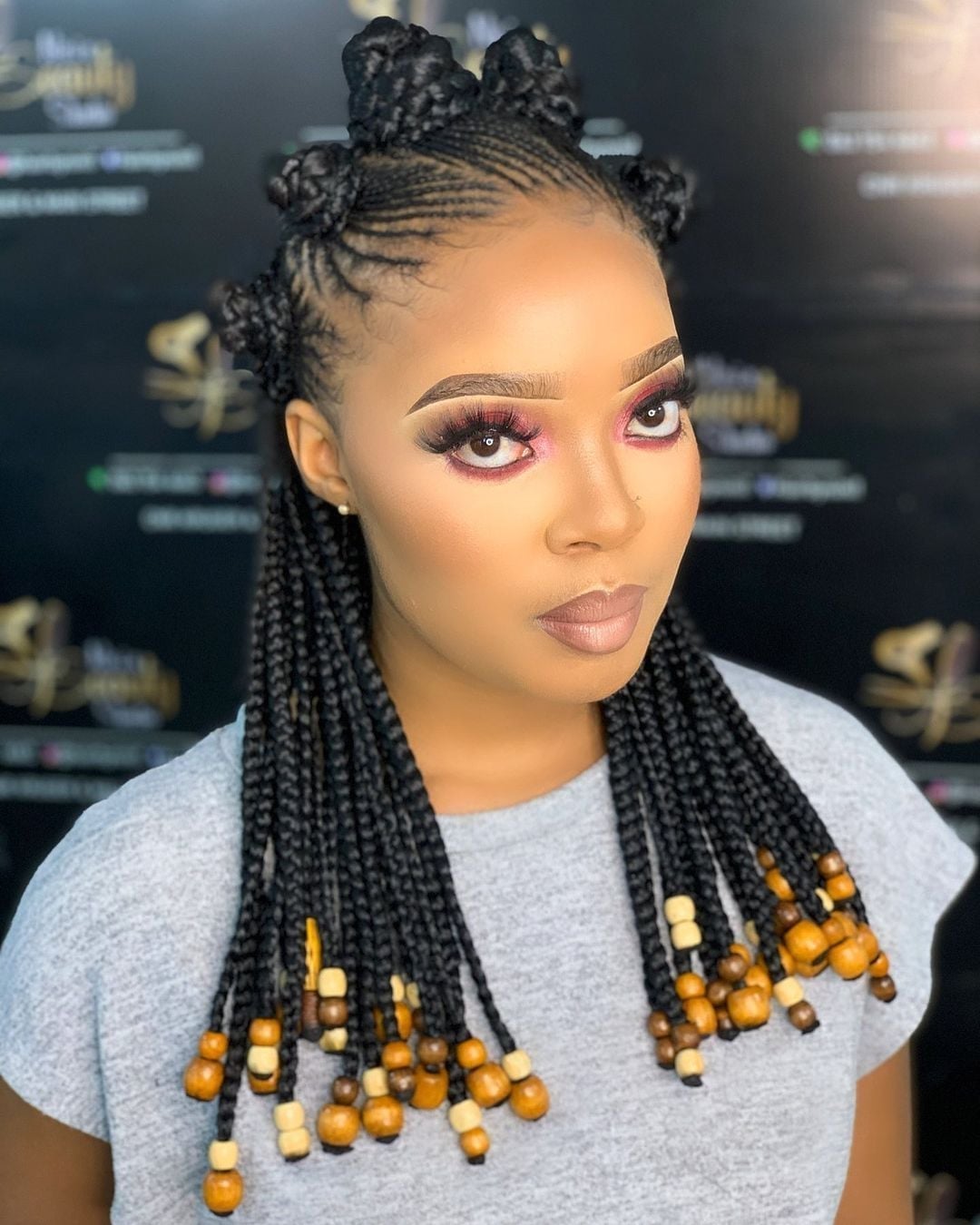
Source: therighthairstyles.com
Small bantu knots sit on the crown, each one braided from the root before coiling. From the middle part, long thick braids fall to the mid-back, weighted with wooden beads in brown and yellow. The technique distributes the bulk: knots carry volume at the top, braids handle the length. Coily, thick hair is required for the knots to hold. This style includes dangling elements.
Grown-up updo with precision styling
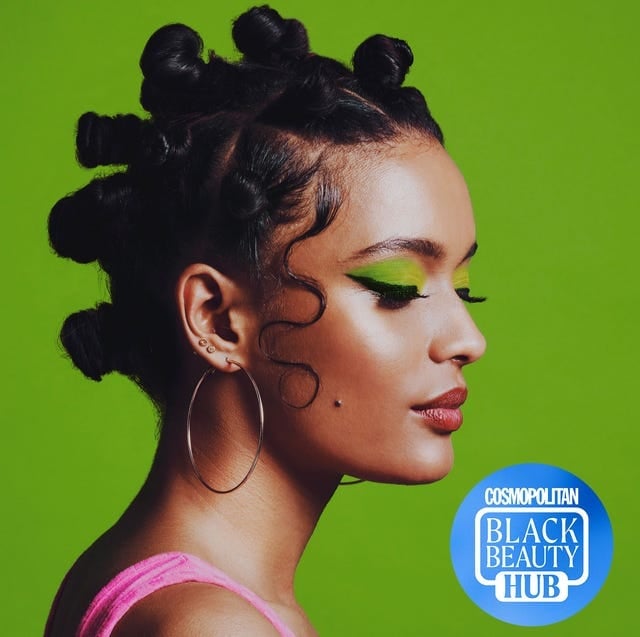
Via cosmopolitan.com
Multiple neat knots line the crown and sides, each one a deliberate shape. The middle parting and slicked edges demand a steady hand and a strong hold gel. A fluffy, natural edge is not the goal here; a sharp line is. Thick, coily texture holds this geometry best. No bangs, no guesswork. Tell your stylist: neat bantu knots with precise slicked edges. A fine tooth comb and gel are the only tools you need for the finish.
Neat look for styled coily hair
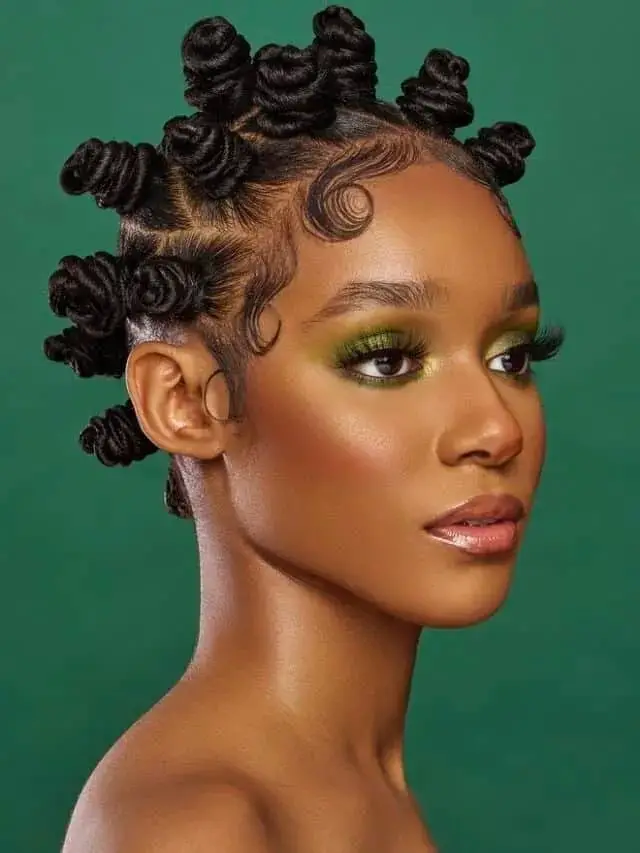
Courtesy of: blackwiki.us
Set this sculpted updo against a looser version: same middle parting, same thick coily texture, but every knot is wound tight and the edges are slicked flat. That precision makes it a salon piece. Not for a sharp, defined edge around the hairline. The updo itself has no bangs and no length to speak of. It is all structure. A boar bristle brush can smooth the edges before the gel sets.
Dark brown bantu knots with blonde highlights
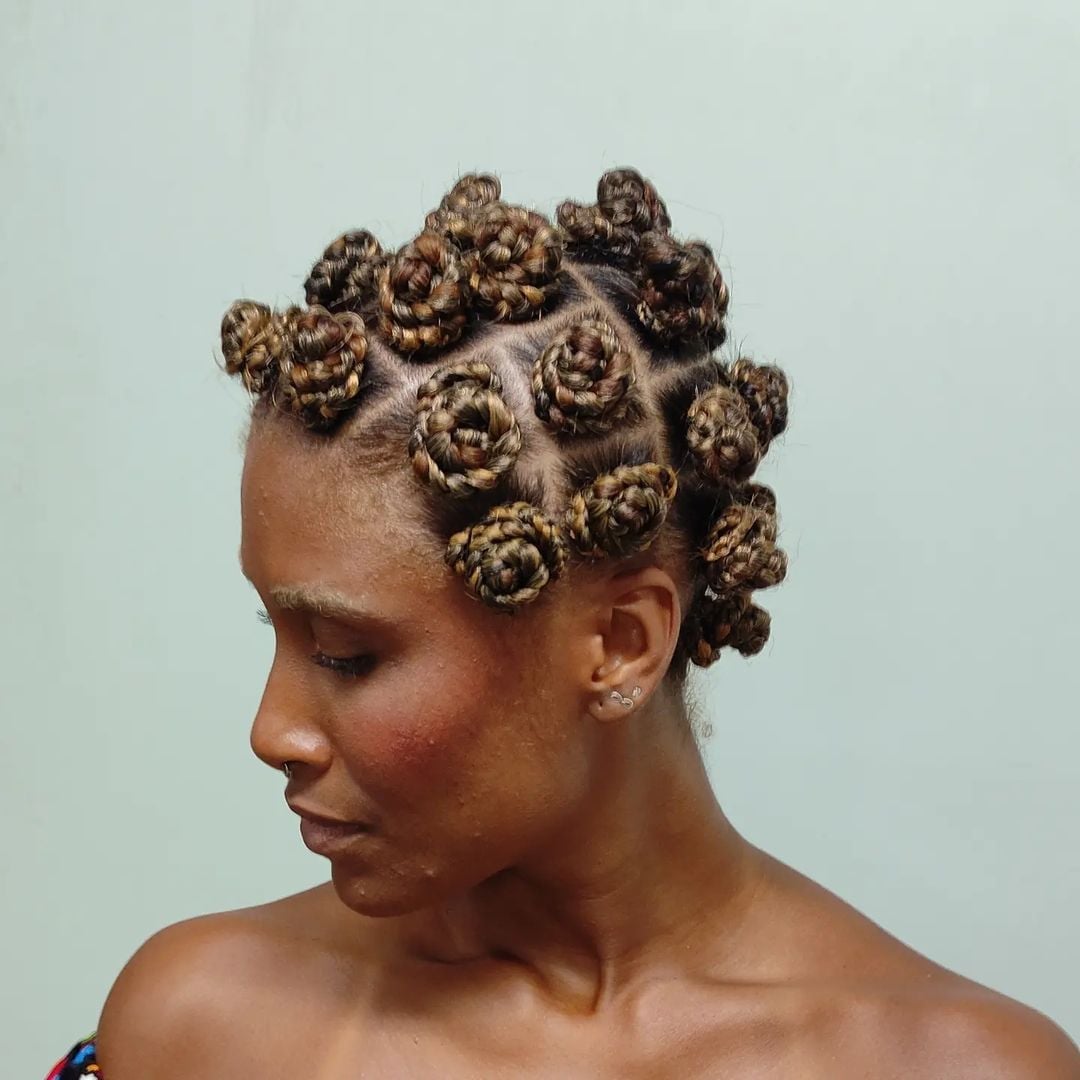
Photo credit: therighthairstyles.com
Small, intricately braided knots create a dense pattern across the scalp. The dark brown base carries subtle blonde highlights. Middle parting, coily texture, no bangs. That color placement works because the highlights are woven, not chunked. For a single shade or only natural highlights, this is not the choice. Ask your colorist for: intricate bantu knots in dark brown with blonde highlights. A color-protecting shampoo keeps the blonde from turning brassy.
Bantu knots with decorative gold cuffs
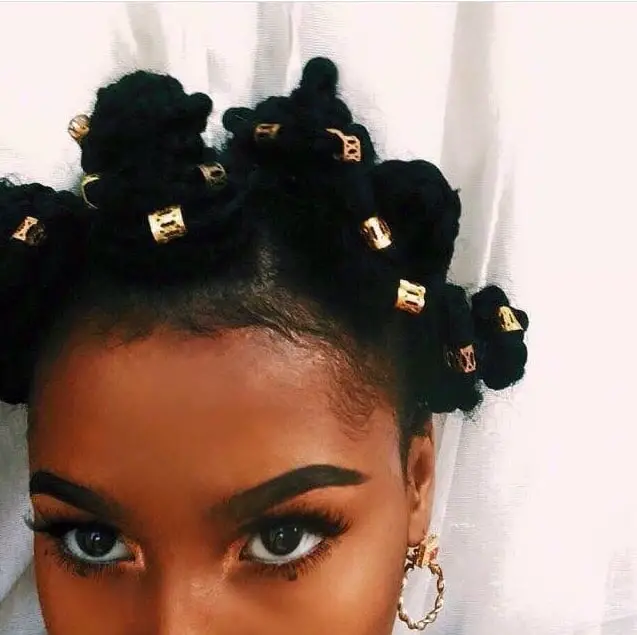
Image credit: afroculture.net
Gold cuffs on thick, coily black knots. The contrast is simple and deliberate. The mistake people make is adding too many accessories. Let the cuffs sit on a few knots, not all of them. This one is DIY-friendly: no salon precision required. No bangs, no layers, just clean knotting. Practice on a small section first to get the tension even.
Side profile with gelled edges
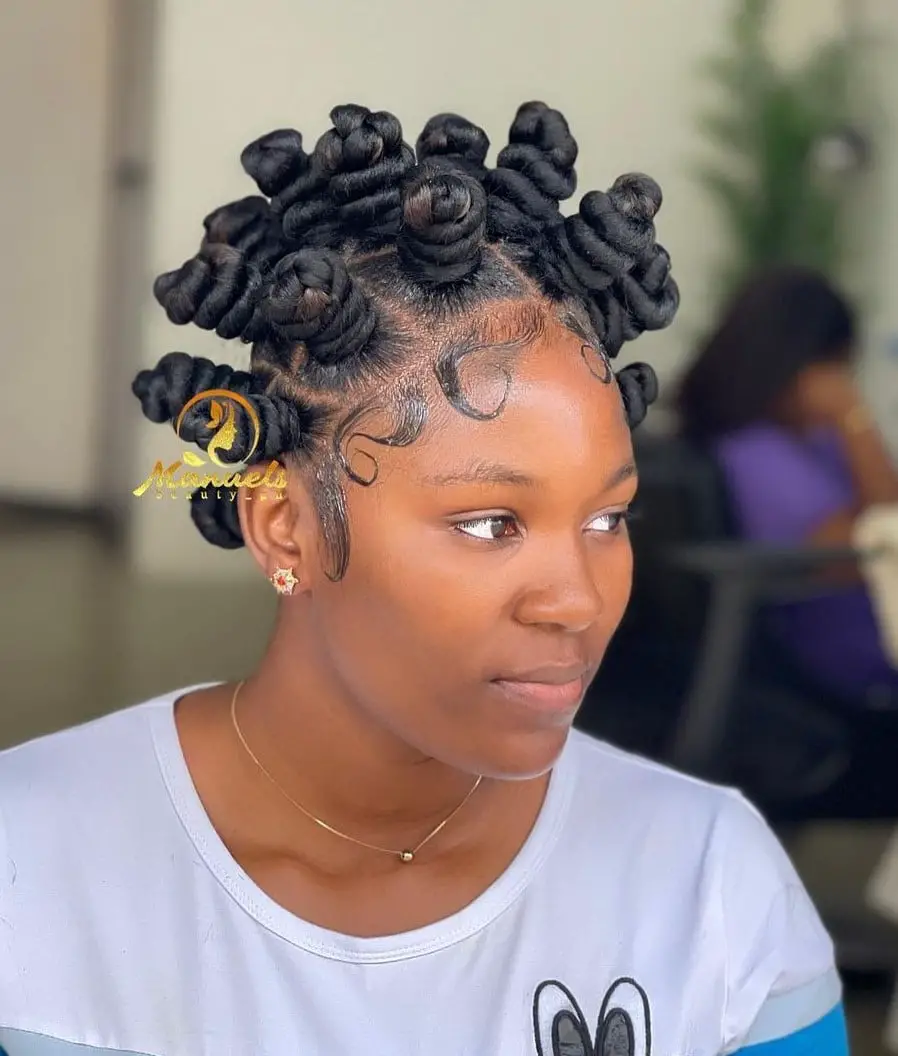
Source: therighthairstyles.com
Sculpted knots across the crown, a centered parting, and gelled edges that curve along the hairline. The side profile shows the clean line of the updo. One real drawback: that edge takes time to perfect and does not last through humidity without a hard-hold gel. A softer, un-gelled finish is an alternative. Thick, coily texture holds the knots in place. Tell your stylist: sculpted bantu knots with gelled edges. No bangs needed.
Geometric sectioning with bantu knots and braids
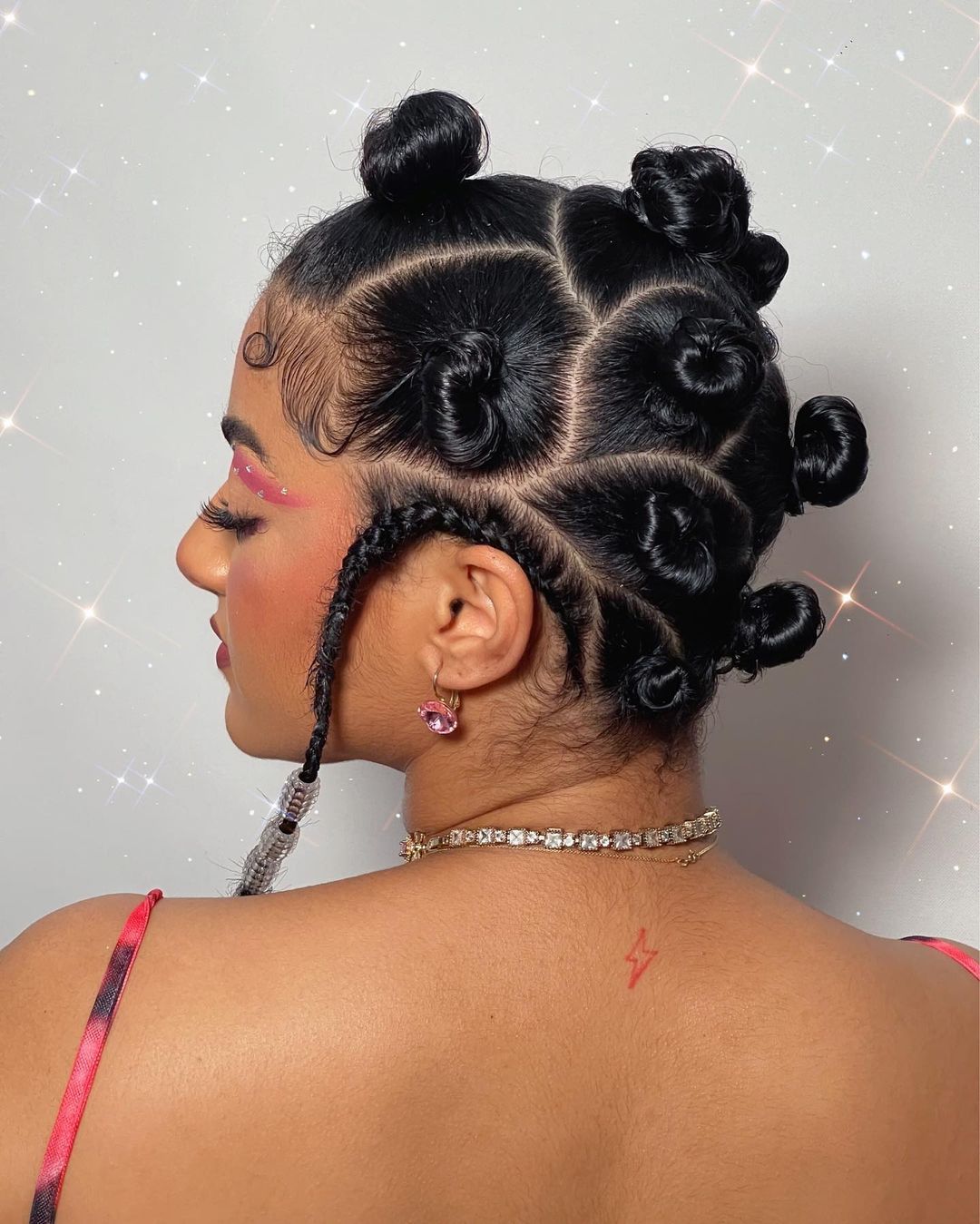
Via marieclaire.ng
Precise geometric sectioning turns a side profile into a map of clean lines. The middle part anchors the pattern, while small bantu knots and braided accents build the structure. Thick, coily hair holds these sharp angles best. For a looser, more organic knotting technique, choose a different style. Book it as: bantu knots and braids with geometric sectioning. A fine-tooth comb and gel keep the partings crisp between appointments.
Loose tendrils soften structured knots
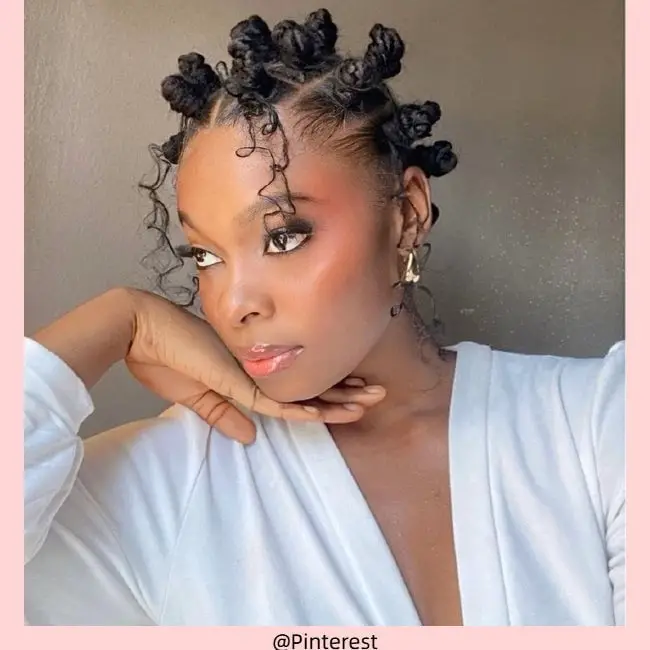
Courtesy of: qvr.com
Every small bantu knot on the crown and sides is deliberately placed, but the loose tendrils change the read. They break the symmetry and frame the face without removing a single coil. Thick, coily texture gives each knot the body to stay put. Not for every strand secured away from your face. Tell your stylist: small bantu knots with loose face-framing tendrils. A dab of lightweight serum on the tendrils keeps their curl pattern defined.
Thick knots create a striking updo
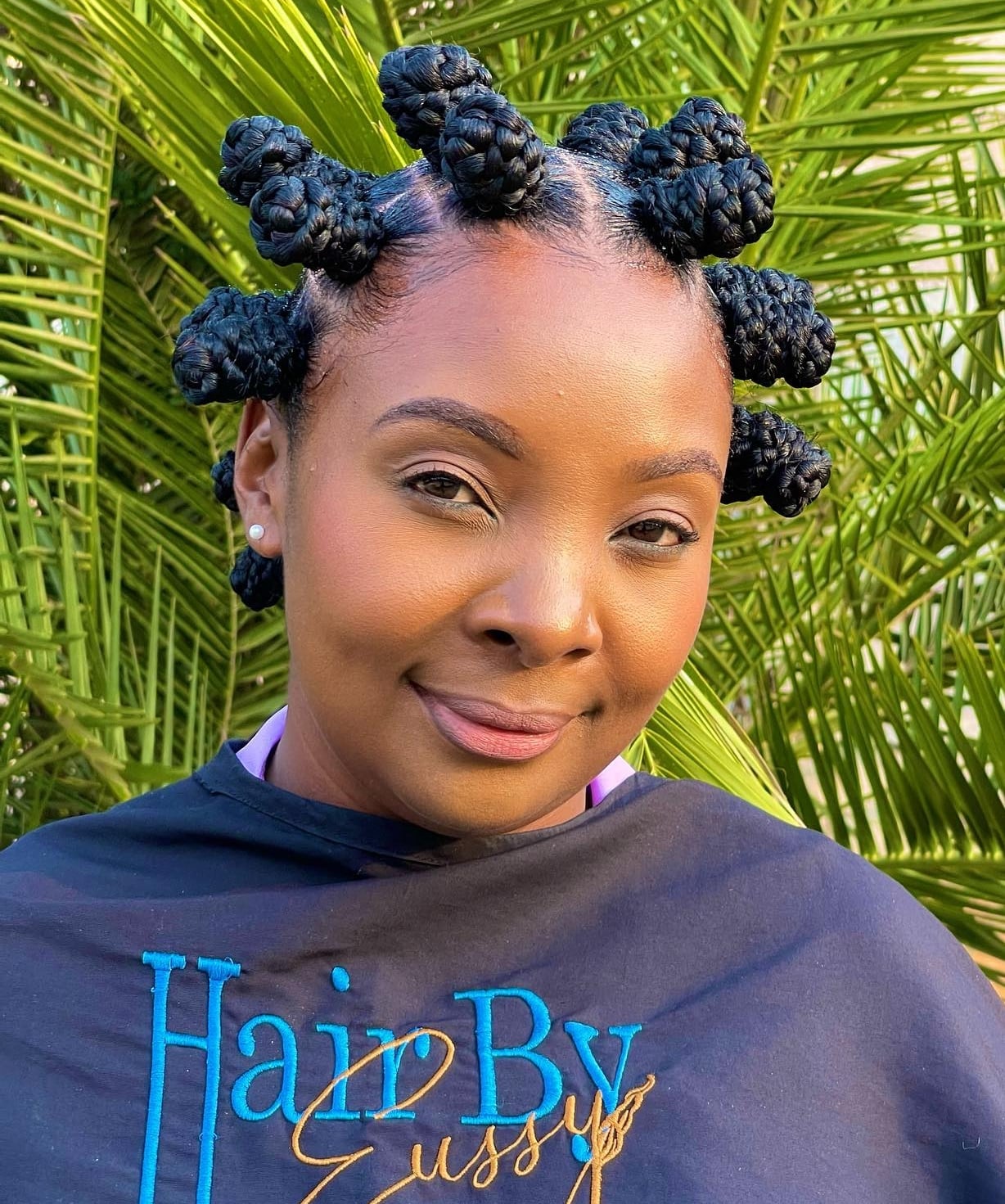
Photo credit: hadviser.com
Thick knots make a stronger visual statement than their smaller counterparts. The middle parting keeps the silhouette balanced, and the rounded shapes sit like sculpture on the crown. Coily, thick hair is the prerequisite here, finer textures struggle to hold the weight. Pass when you want a more delicate, intricate knot pattern. Each knot needs a firm base to prevent unraveling by midday.
Artistic pattern from geometric partings
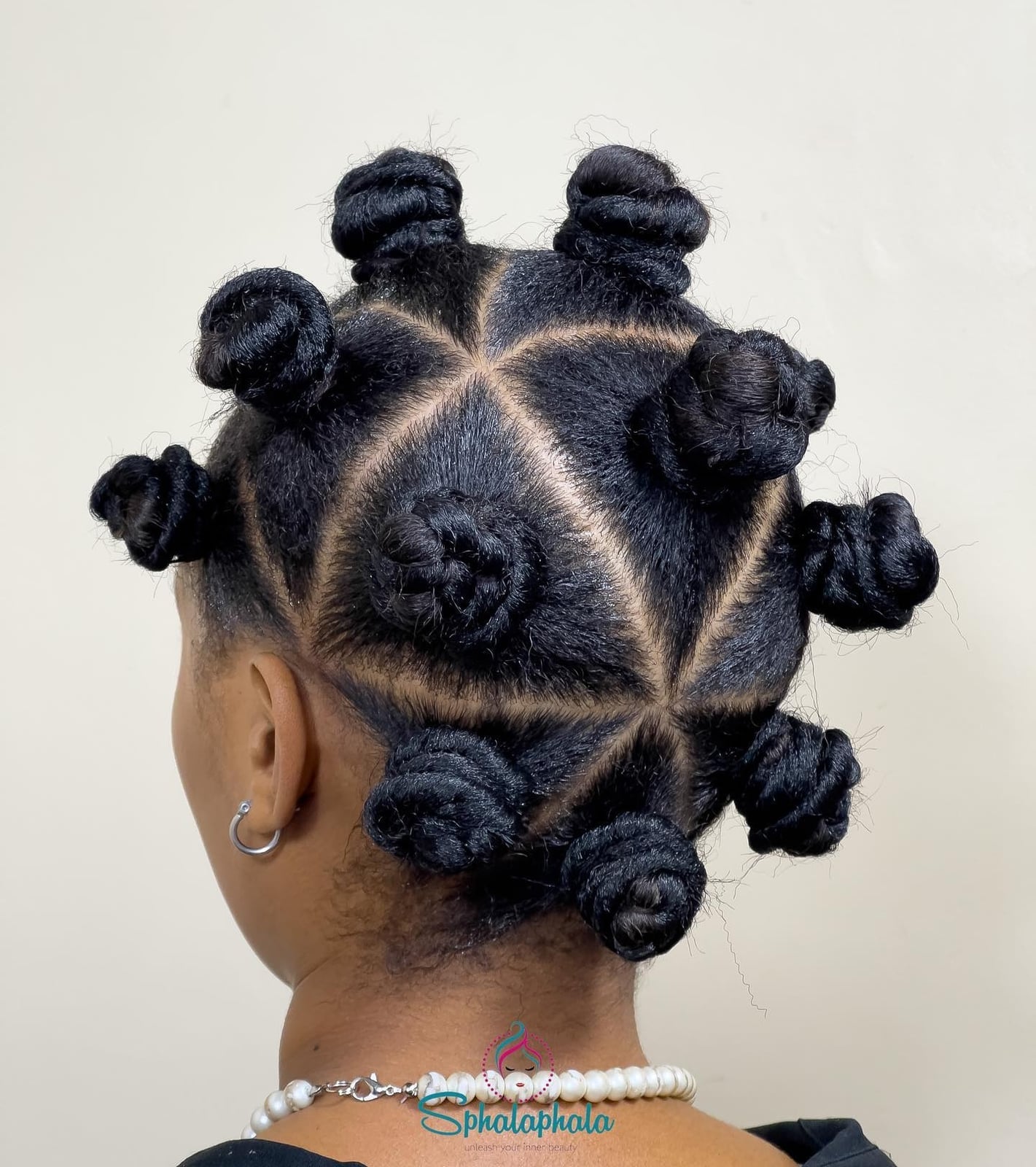
Image credit: hadviser.com
Neatly formed knots create the texture, but the geometric partings do the talking. From a back view, the scalp becomes a canvas of intersecting lines. The result reads more like textile art than a standard updo. Coily, black hair shows the pattern clearly. Not for a softer, less structured scalp design. Tell your stylist: bantu knots with intricate geometric partings. A weekly touch-up of the part lines keeps the design from blurring.
Coily hair with subtle gray streaks
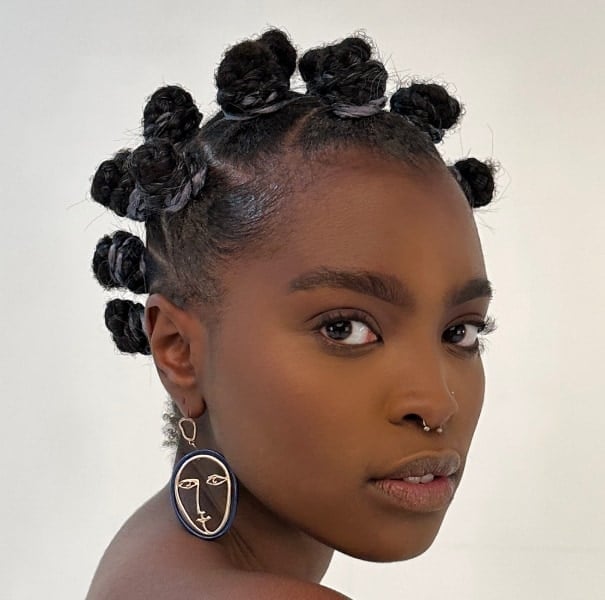
Via estcreation.com
Neat bantu knots arranged in a precise pattern gain extra interest from subtle gray streaks woven through the black base. The middle part keeps the arrangement orderly, and the streaks catch light differently than the surrounding coils. Thick, coily hair supports the structure. Not for a solid, uniform hair color. Book it as: bantu knots with subtle gray streaks. A color-safe shampoo prevents the lighter strands from yellowing between toning sessions.
Symmetrical knots on a middle part
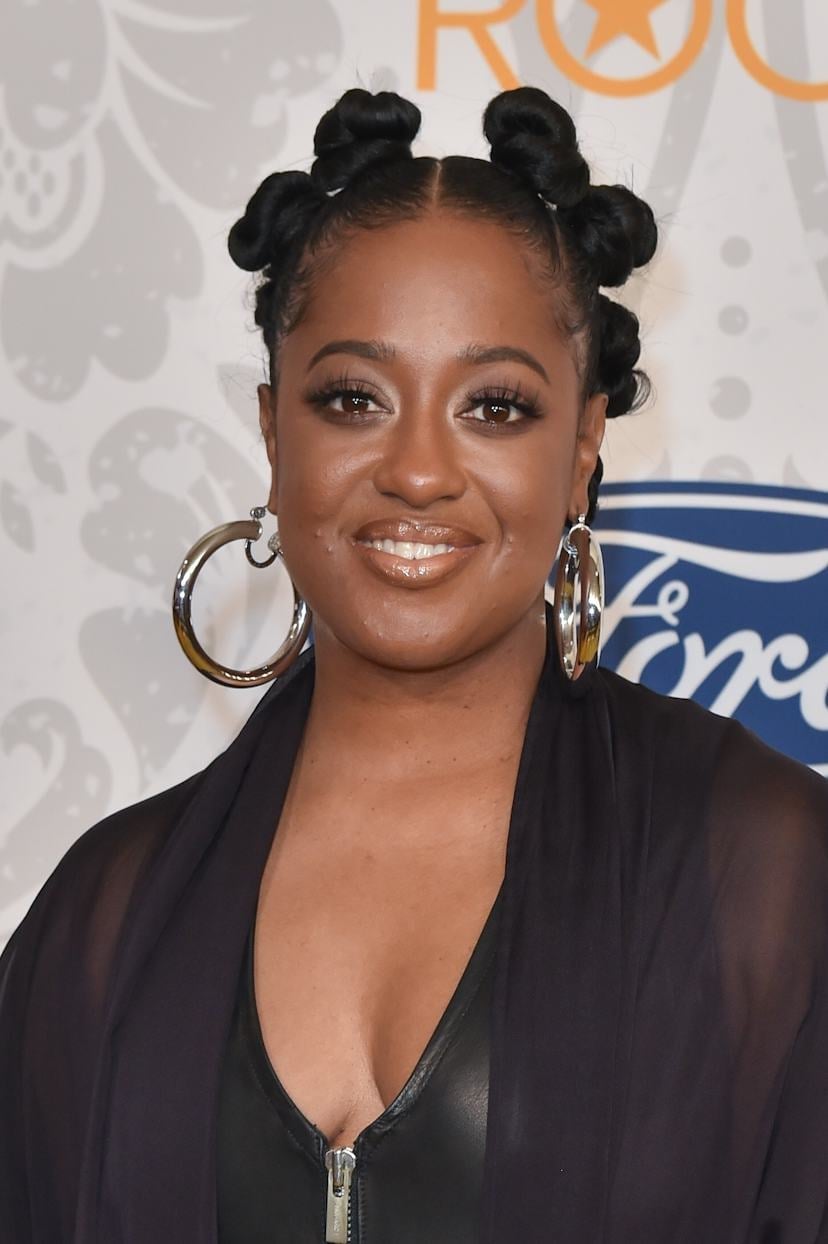
Courtesy of: bustle.com
Symmetry starts with even sections and equal tension on every knot. The middle part anchors the design, sending each knot into its matching partner on the opposite side. Thick, coily texture holds the shape without extra help. Not for an asymmetrical or more organic arrangement. Tell your stylist: symmetrical bantu knots on the crown. A satin scarf at night keeps the part crisp and the knots from loosening.
Neatly formed bantu knots in side profile
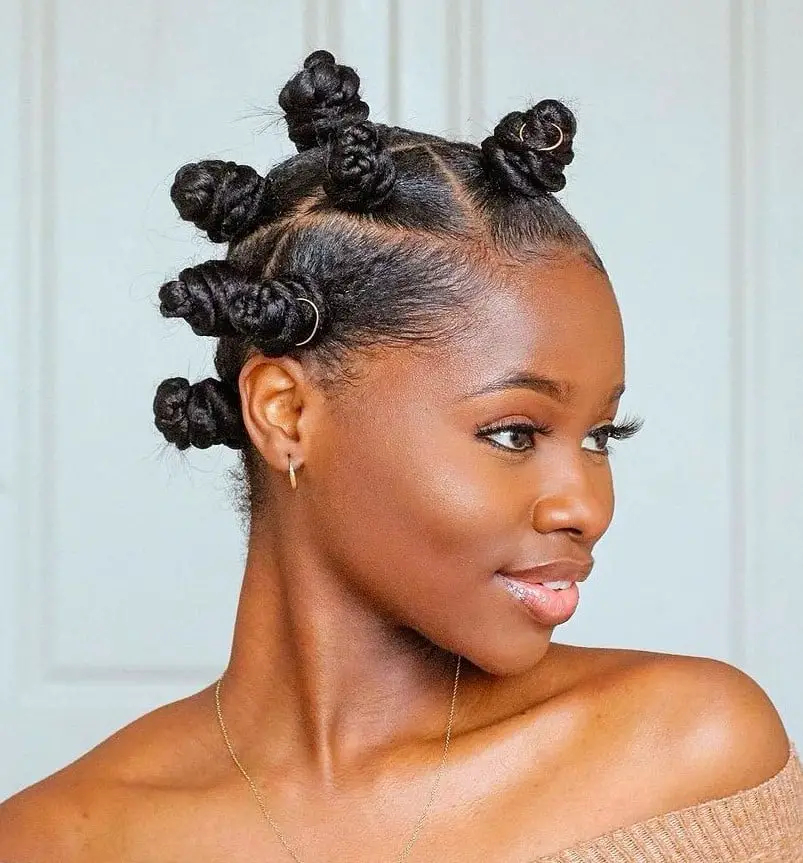
Photo credit: therighthairstyles.com
Small, precise knots read differently than large statement ones. This version leans on uniform size and a clean middle part for its neat finish. The side profile shows the even spacing; no knot crowds its neighbor. Thick, coily hair makes the precision readable. Not for larger, more distinct knots. A strong-hold pomade on the part keeps flyaways off the frame.
Intricate updo requires salon expertise
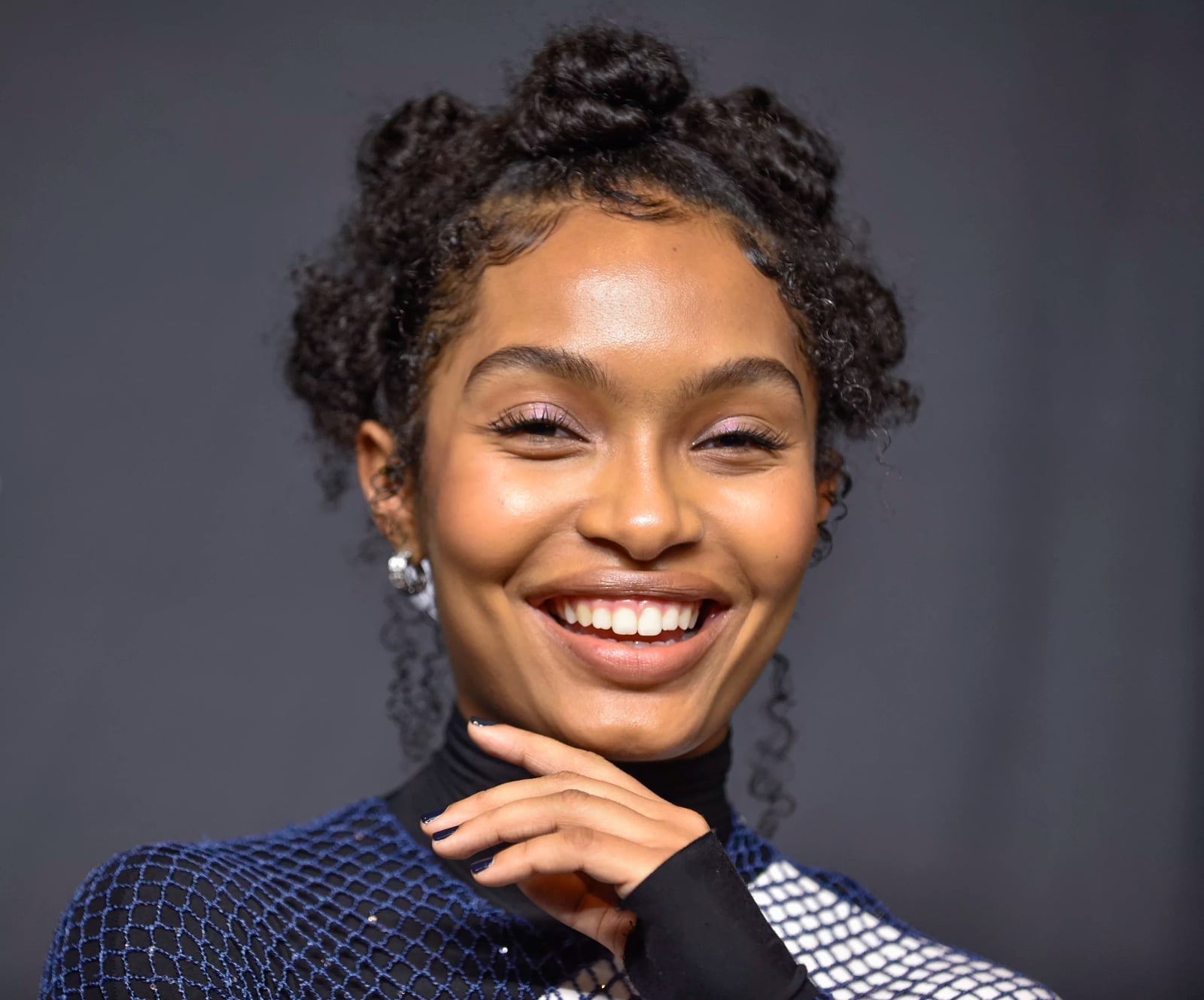
Image credit: popsugar.com
This is not a bathroom-mirror project. The multiple knots sit close together in a dense arrangement that asks for a second pair of hands and a steady twist. Thick, coily texture gives the updo its substance. Not for a style that requires minimal styling. Tell your stylist: elegant bantu knot updo. A satin bonnet nightly preserves the shape and keeps the knots from frizzing at the base.
Neat bantu knots on small rounded knots
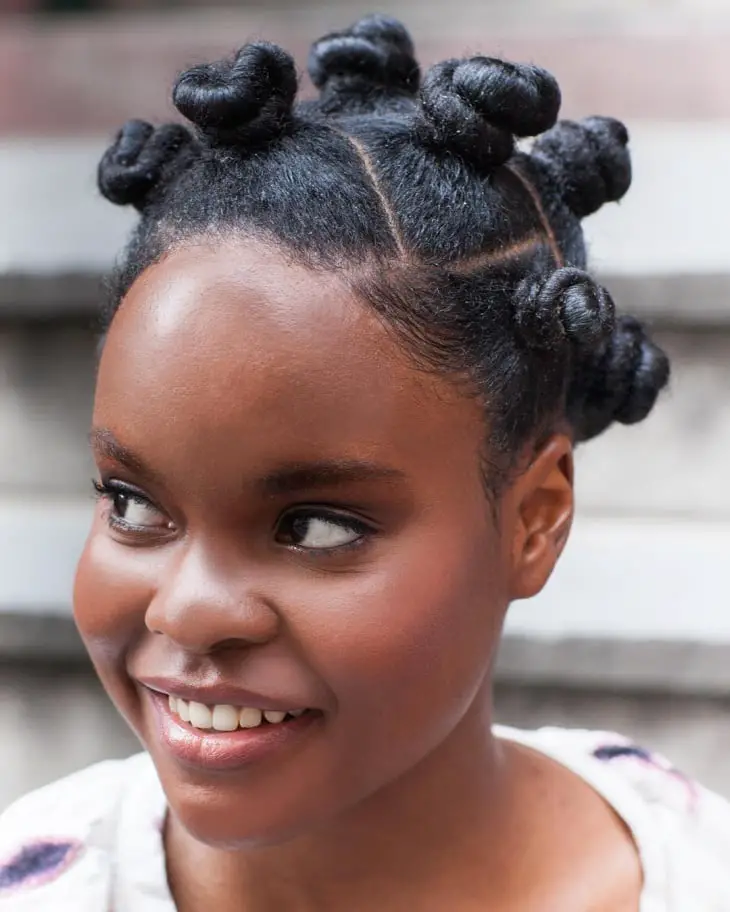
Source: afroculture.net
Small rounded knots shift the feel from bold to delicate. Each knot is a tight coil that sits flat against the crown, and the middle part keeps the layout orderly. No bangs, no length to manage. Thick, coily hair holds the compact shape best. Not for larger, more prominent knots. Evening out the tension as you twist prevents one side from pulling looser than the other.
Face-framing pieces with sculpted bantu knots
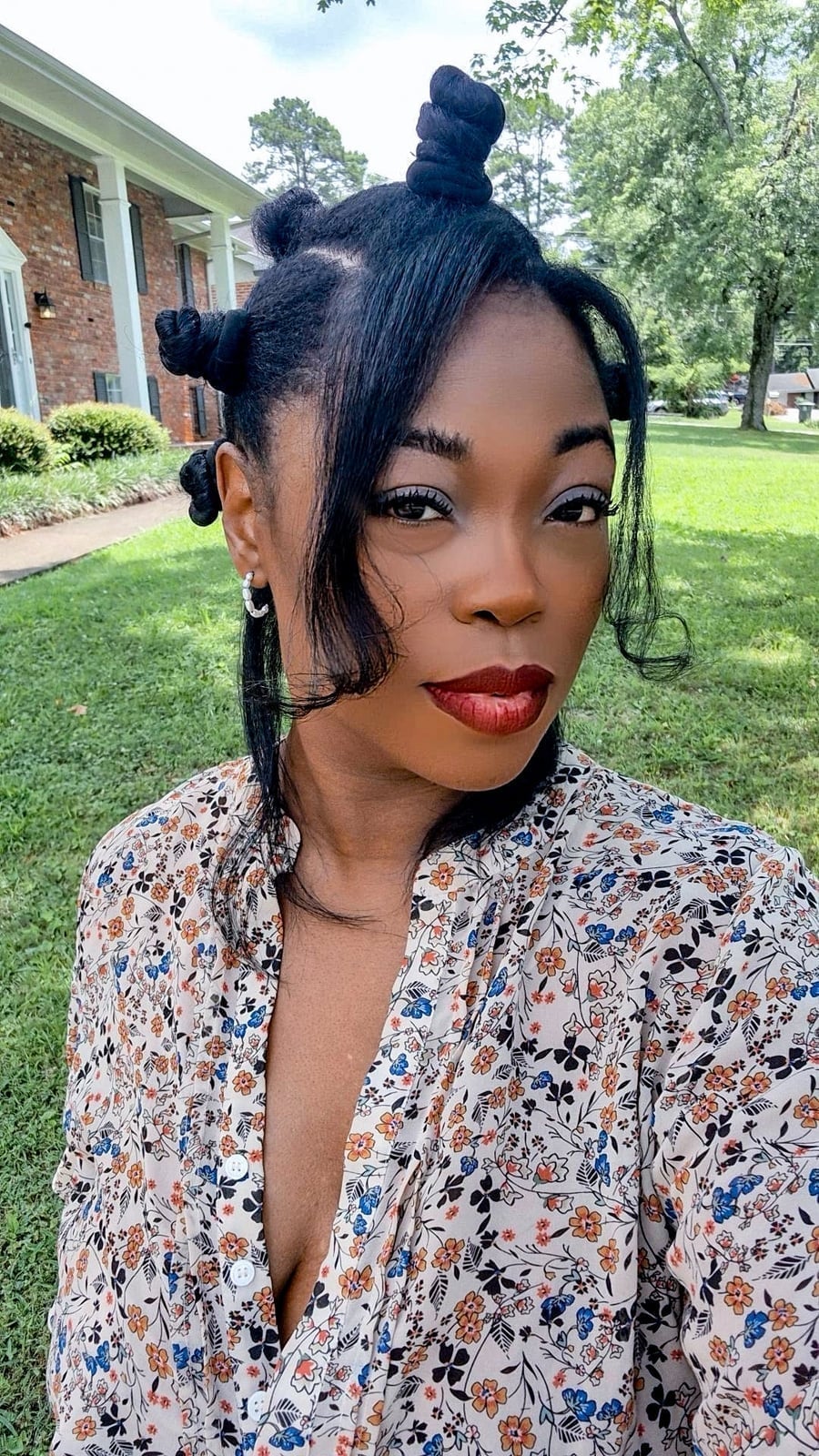
Leaving a few coils loose around the hairline softens the geometry. The middle part splits the sculpted knots evenly, while the face-framing pieces break the hard line. Thick, coily texture keeps the knots firm and the tendrils defined. A style with all hair pulled back is not what this achieves. Tell your stylist: sculpted bantu knots with loose face-framing pieces. A light-hold spray on the tendrils stops them from migrating into the knots by midday.
Long strands complement crown knots
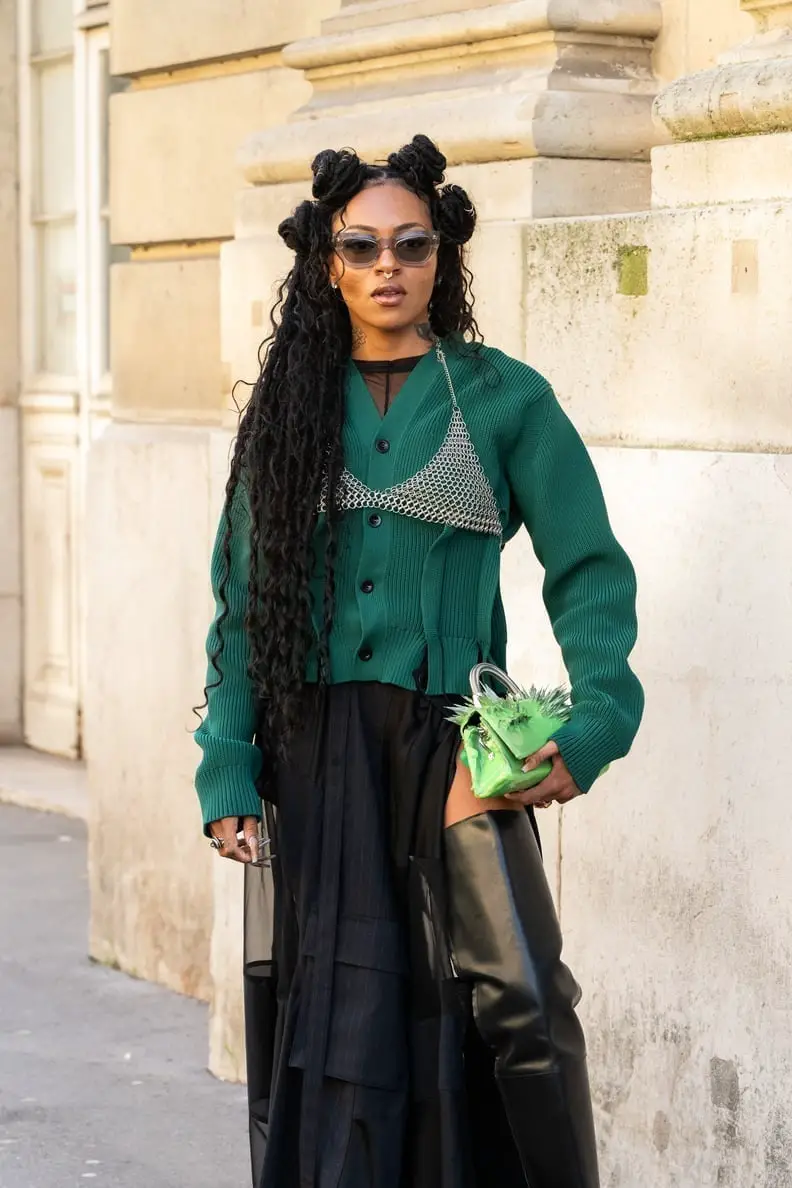
Courtesy of: popsugar.com
You want the focus at the crown but not the commitment of all-over knots. The updo keeps the front and top in neat coils while the rest stays in long, coily strands. A middle part keeps the whole thing grounded. Not for the entire head styled into knots; the contrast only works if you actually like the loose texture. Thick, coily hair has the density to hold both sections. A leave-in conditioner on the loose section keeps definition without crunch.
Tightly coiled bantu knots with sculpted baby hairs
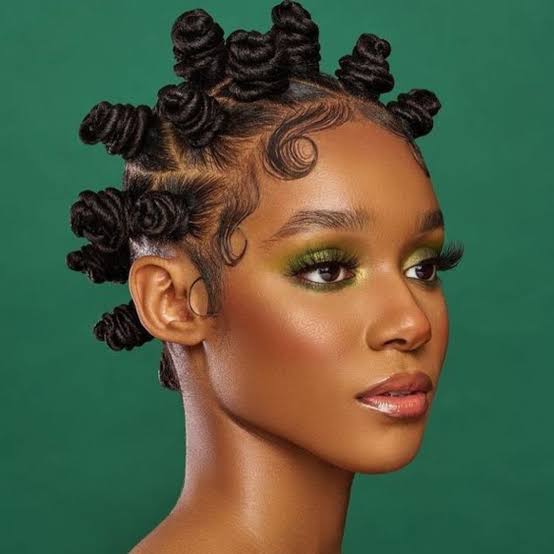
Photo credit: coilsandglory.com
This one sits across the table from a standard knot set and asks for more precision. The difference: every knot is wound tight enough to stay uniform, and the baby hairs are sculpted into deliberate shapes around the hairline. Thick, coily hair holds the detail. Pass when you prefer not to style baby hairs. The whole look reads from the edges. A small toothbrush and firm gel shape those lines, and you maintain them between washes with a satin scarf at night.
Mohawk style for bold sculpted knots
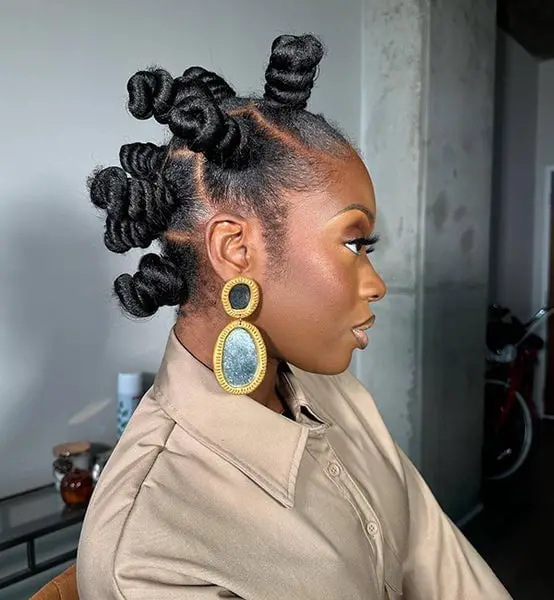
Image credit: hermosahair.com
Clean assessment: the mohawk silhouette turns Bantu knots from protective style into statement. The dark, coily hair runs in a dense strip from front to back, each knot a rounded shape that stacks along the center. A middle part frames the sides, which stay bare. The cut is an updo that relies on precision sectioning, the balance tips if knots are uneven. Strong-hold gel keeps the mohawk line defined through a long day. Not for anyone who wants soft edges or a traditional centered updo.
Clean lines define coiled knots
Source: afroculture.net
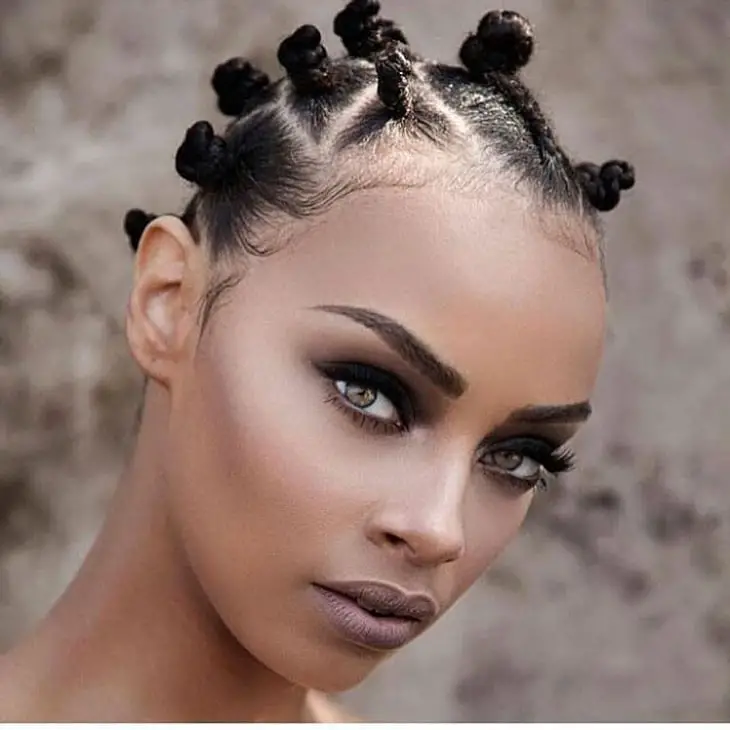
Each small knot sits inside its own parted square, the lines drawn sharp with gel before the coily hair gets twisted. The middle part runs straight, and every section stays the same size. Thick, coily hair fills each knot without gaps. Ask your stylist for: small bantu knots with clean parted lines. The upkeep is straightforward, touch up the parts with a fine-tooth comb and gel every few days.
Two high bantu knots, modern and classic
Courtesy of: refinery29.com
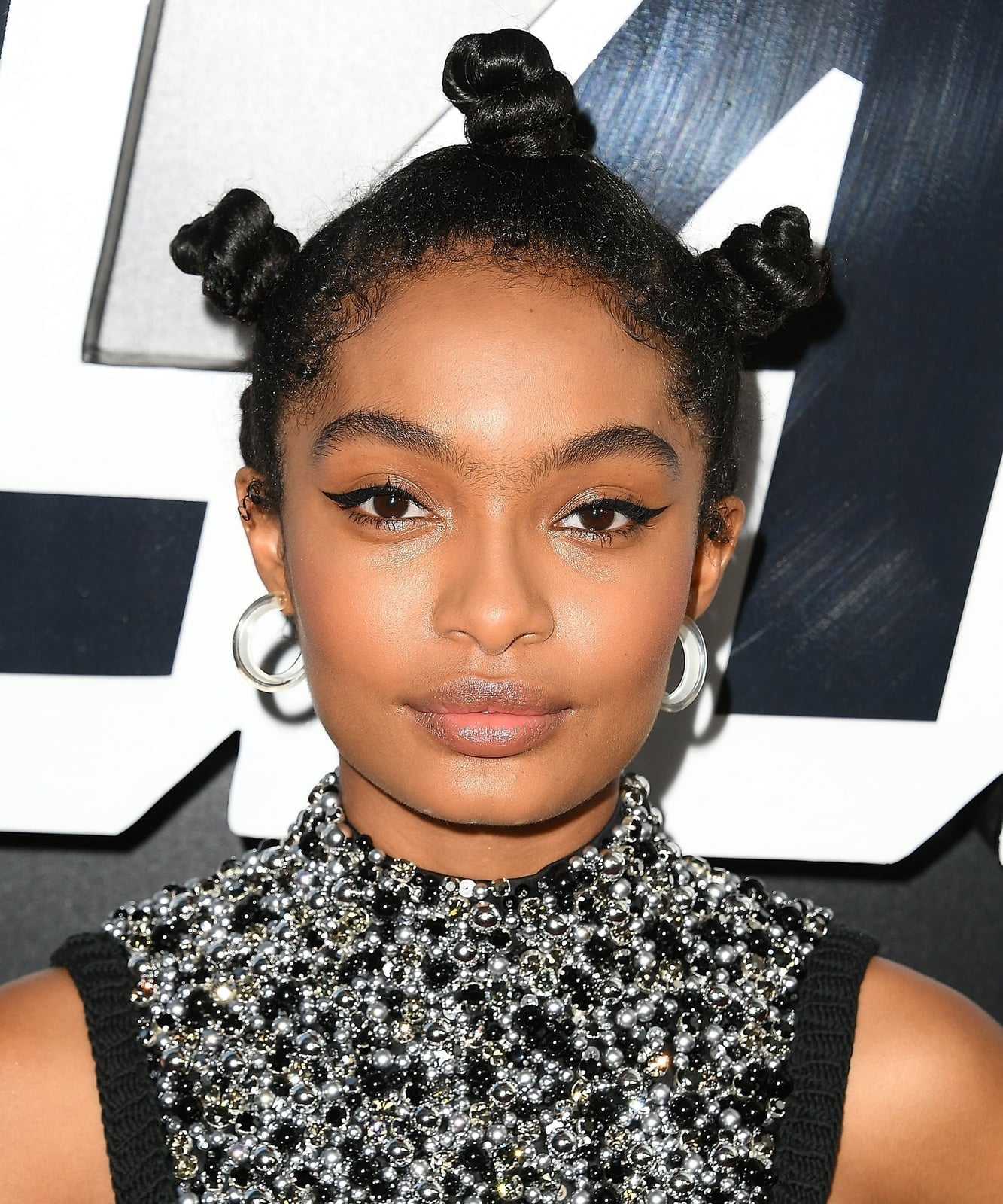
Two knots, high on the head, symmetrical, the briefest possible version of the style. The coily, thick texture gives each knot enough volume to appear substantial. No bangs, no extra knots, just a clean pair that sits above the hairline. The skill is in the sectioning: a crooked part shows. Secure each knot tightly at the base so the height holds through the day.
Bridal style with flowers and gold
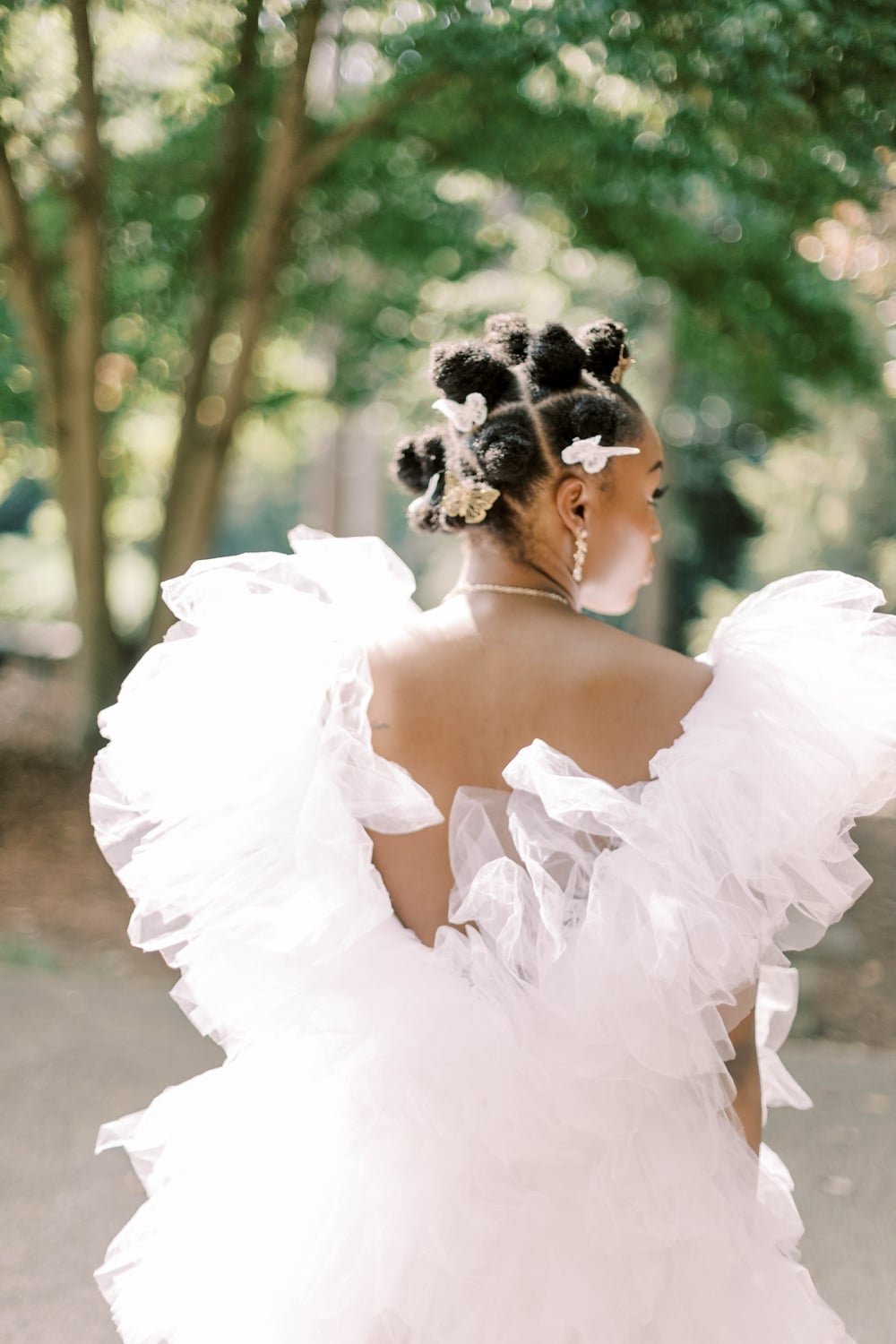
Photo credit: whitewren.com
Thick, coily hair pulled into a middle part makes the geometric bantu knot pattern the main event. The cut is an updo with no bangs, so each section stays visible and the white flowers plus gold accents have room to land. This style requires careful placement of each accessory. Secure each accessory firmly into the knot base. Nothing worse than a flower hitting the floor mid-ceremony.
Final Thoughts
Pick the version that matches your chair tolerance and your morning routine.
- Ten minutes: two high knots with gelled edges.
- Salon appointment: geometric sectioning with gold cuffs.
- Fine coils: small knots with face-framing tendrils.
- Gray roots showing: subtle streaks integrated into the partings.
Bantu knots offer a canvas for creativity and elegance.
